Washington State relies on busy ports and steady trucking routes to keep goods moving across the region. Olympia sits at the center of this activity, with trucks carrying cargo from Tacoma and Seattle to stores and warehouses every day. These short trips may look simple, yet drivers often face tight deadlines and constant pressure.
Some skip their required thirty-minute breaks, and tired minds and bodies can lead to serious crashes. Local families suffer the most when a moment of fatigue turns into a heavy impact. If you suffered an injury in Olympia by a truck on a short run, it helps to know how missed breaks play a role in these wrecks. For guidance, speak with Boohoff Law, P.A., your Olympia truck accident attorney, ready to support you fully today.
30-Minute Break Violations Key Takeaways
- Short-haul truck drivers in Washington often skip their required thirty-minute breaks, which increases their risk of fatigue and crashes.
- Federal rules mandate off-duty breaks after eight hours of driving to prevent accidents caused by fatigue.
- The short-haul break exception is frequently misused, putting drivers and other road users at risk.
- Port-to-distribution routes are high-risk due to intense concentration, multiple trips, time pressure, start-and-stop driving, and environmental stressors.
- Skipping breaks can lead to degraded attention, slower reactions, microsleeps, poor decision-making, and increased risk of aggressive driving.
- Accidents from fatigued drivers can cause catastrophic injuries, including brain trauma, spinal cord damage, fractures, and fatalities.
- Multiple parties, including trucking companies, ports, shippers, and brokers, may be liable for break-related accidents.
- Washington law recognizes breach of contract violations as negligence per se, strengthening injury claims for victims.
- Full compensation can include medical bills, lost earnings, pain and suffering, and punitive damages when companies act egregiously.
- Immediate legal action preserves evidence, navigates complex regulations, and ensures maximum recovery; contact an experienced truck accident lawyer to protect your rights.
Understanding the Thirty-Minute Break Rule
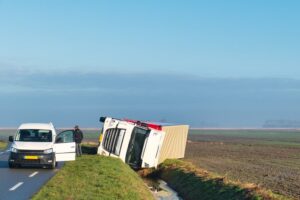 Federal Motor Carrier Safety Administration regulations require commercial truck drivers to take rest breaks to prevent fatigue. Under 49 CFR 395.3, drivers cannot drive after eight consecutive hours without an off-duty or sleeper-berth break of at least thirty minutes.
In simple terms, they must take a true off-duty break before reaching eight hours of driving time. The rule reduces fatigue, allows for brief recovery, and breaks up the monotony that can lower alertness. Even short rest periods can significantly reduce fatigue-related crash risks, and skipping them allows fatigue to build up quickly.
The Thirty-Minute Break Exception and Its Misuse
In December 2020, federal regulations created an exception to the thirty-minute break rule for short-haul drivers. These drivers do not require thirty-minute breaks if they return to their starting point and stay within the specified on-duty limits.
Companies often misuse this exception by pressuring drivers to qualify, even when their routes fail to meet the requirements, or by manipulating records to falsify the information. Drivers running similar schedules without qualifying are also at risk. The issue is severe in Washington’s port-to-distribution operations, where tight windows, traffic, and delivery pressure lead to frequent break violations.
Why Port-to-Distribution Runs Are High-Risk
Short-haul routes connecting Washington ports to distribution centers present unique fatigue risks:
Intense Concentration Requirements: Navigating port areas, dealing with congestion, maneuvering in tight distribution center spaces, and handling frequent stops and starts all demand intense mental focus. This concentrated effort is more fatiguing than steady highway driving.
Multiple Trips in Single Shifts: Port-to-distribution drivers often make multiple runs in a single day. Each trip involves accessing ports, loading cargo, navigating congested city streets, traveling on highways, unloading at a distribution center, and making return trips. The cumulative fatigue from these repeated cycles is substantial.
Time Pressure: Port pickup windows are strict. Missing your window means delayed cargo and angry customers. Distribution centers enforce receiving schedules that drivers must meet. These pressures incentivize drivers to skip breaks to maintain schedules.
Start-and-Stop Driving: Short-haul routes involve constant starting, stopping, and maneuvering rather than steady highway cruising. This driving style is more physically and mentally exhausting, making rest breaks even more critical.
Environmental Stressors: Dealing with port congestion, urban traffic, construction zones, and adverse weather in the Puget Sound region creates additional stress that accelerates fatigue.
Common Olympia-Area Routes Where Break Violations Occur
Certain corridors see frequent thirty-minute break violations:
Interstate 5 Between Tacoma Ports and Olympia/Southern Washington: Trucks moving cargo from the Port of Tacoma to distribution centers rush through this corridor under tight deadlines, often skipping required breaks.
State Route 512 and I-5 Connections: This critical link between Tacoma and I-5 southbound carries intense truck traffic operating under time pressure.
Port of Olympia to Regional Distribution Centers: While smaller than Seattle-Tacoma ports, Olympia’s port generates truck traffic subject to the same time pressures and break violations.
Highway 101 Connections: Trucks moving cargo to coastal distribution points travel routes where rest break opportunities are limited, and pressure to maintain schedules is intense.
How Skipping Thirty-Minute Breaks Causes Accidents
When truck drivers skip required thirty-minute breaks during demanding short-haul operations, specific accident patterns emerge:
Degraded Attention: Without breaks, drivers’ attention spans shorten. They miss critical details, such as vehicles in blind spots, changing traffic signals, or hazards ahead. This inattention causes collisions that rested drivers may have avoided.
Slower Reaction Times: Fatigue slows information processing and physical responses. When situations demand quick braking, steering, or other reactions, fatigued drivers can’t respond fast enough to prevent accidents.
Microsleep Episodes: Exhausted drivers experience brief, involuntary sleep episodes that last only seconds. During microsleeps on Olympia roads or I-5, trucks drift between lanes, fail to brake for stopped traffic, or run off roadways.
Poor Decision-Making: Fatigue impairs judgment. Drivers make poor choices about following distances, safe passing opportunities, appropriate speeds, and how to navigate hazards.
Physical Exhaustion: Hours of constant driving without breaks lead to physical fatigue, which affects steering control, pedal operation, and the ability to maintain proper vehicle positioning.
Irritability and Aggression: Exhaustion, combined with time pressure, creates irritable and aggressive drivers who take dangerous risks, follow too closely, or make unsafe maneuvers.
Real-World Consequences: Catastrophic Injuries
Truck accidents caused by fatigued drivers who skip thirty-minute breaks can lead to devastating injuries. Victims often suffer traumatic brain injuries, including concussions and severe brain trauma that can cause cognitive problems, personality changes, and permanent disability.
Spinal cord injuries are common, sometimes resulting in partial or complete paralysis. The force of an eighty-thousand-pound truck can cause multiple fractures, crushing limbs, and require extensive surgery and rehabilitation. Internal injuries from blunt force trauma can damage organs and require emergency surgery.
Crashes involving fuel or hazardous cargo can cause burn injuries needing skin grafts and long-term care. Tragically, some accidents cause fatalities, leaving families devastated as they demand answers about why companies ignore safety regulations and let drivers operate without required breaks.
Proving Thirty-Minute Break Violations
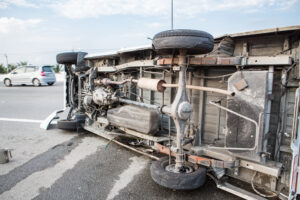 Successfully holding trucking companies accountable for brake violations requires a thorough investigation. We analyze electronic logging device records to identify periods exceeding eight hours without the required thirty-minute breaks. Duty status records show whether drivers spent claimed off-duty time resting or performing work tasks.
Company communications, including texts, emails, and dispatch notes, often reveal pressure to skip breaks or maintain impossible schedules. Delivery and pickup documentation, such as bills of lading, port gate records, and distribution center receipts, establishes timelines showing when drivers missed breaks.
Witness testimony from port workers, distribution center staff, and other drivers provides insight into driver fatigue and unsafe practices. Finally, schedule analysis by professionals demonstrates how companies created routes and delivery windows that required drivers to violate federal break regulations.
Multiple Liable Parties in Port-to-Distribution Accidents
Truck accident liability often extends beyond the driver. Trucking companies can be directly responsible for negligent scheduling, pressuring drivers to violate regulations, poor fatigue management policies, and failing to monitor compliance with breaks.
Port operators may contribute to this issue through scheduling practices that require drivers to skip their required rest. Shippers and brokers can share liability when they create unrealistic schedules to meet contractual obligations. Maintenance providers may also be liable if truck defects, such as brake failures, contributed to the accident.
At Boohoff Law, we conduct thorough investigations to identify all responsible parties and pursue maximum compensation from every available source, ensuring injured victims receive the full recovery they deserve.
Washington State Law Protections
Washington offers truck accident victims strong legal protections. When a truck driver violates federal hours-of-service rules, including the requirement for breaks, it constitutes negligence per se, meaning the violation itself establishes negligence without requiring additional evidence of negligence.
Trucking companies are also responsible through respondeat superior, which holds employers liable for the actions of their drivers while they are working. Victims may also pursue truck accident claims for direct corporate negligence when unsafe company policies, unreasonable schedules, or poor oversight contribute to violations.
Washington’s modified shared fault rule under RCW 4.22.005 allows injured victims to recover compensation even if they share partial fault, as long as they are not more than fifty percent at fault. These protections strengthen injury claims.
Comprehensive Compensation for Truck Accident Victims
Olympia residents injured by fatigued truck drivers who violated break requirements deserve full compensation:
Economic Damages
All medical expenses, including emergency care, hospitalization, surgery, rehabilitation, home healthcare, and future medical needs; all lost income from missed work; lost earning capacity if injuries prevent you from returning to your previous employment; property damage; and all other out-of-pocket costs.
Non-Economic Damages
Pain and suffering from your truck accident injuries; emotional distress and psychological trauma, including PTSD and anxiety; loss of enjoyment of life; permanent disability and disfigurement; and loss of consortium affecting your relationship with your spouse.
Punitive Damages
When a trucking company’s conduct is particularly egregious—such as systematic policies that pressure drivers to violate break requirements—Washington law allows for punitive damages to punish wrongdoers and prevent future violations.
Why You Need Experienced Legal Representation
Truck accident cases involving hours-of-service violations demand specific experience:
- Immediate Evidence Preservation: Companies can overwrite electronic logging data and destroy records. We act immediately to preserve critical evidence through spoliation letters and court orders when necessary.
- Federal Regulation Experience: Successfully prosecuting these cases requires detailed knowledge of FMCSA regulations, their application to various operations, and the impact of violations on accidents.
- Resources to Fight Trucking Companies: Commercial trucking defendants have substantial resources and experienced defense teams. We have the capability and determination to fight them effectively.
- Expert Witnesses: We collaborate with experienced professionals from the trucking industry, including fatigue specialists, accident reconstruction experts, and medical professionals, who thoroughly analyze evidence and present compelling testimony.
- Complex Coverage Issues: Commercial truck insurance involves substantial policy limits, excess coverage, and disputes about which policies apply. We navigate these complexities skillfully.
How Boohoff Law Protects Your Rights
At Boohoff Law, we hold negligent trucking companies fully accountable by conducting a comprehensive investigation of electronic logging devices, company records, communications, schedules, and every piece of evidence that proves violations. We utilize independent professional analysis to demonstrate how broken violations and unsafe practices contributed to your accident.
Through aggressive negotiation, we challenge trucking insurers and reject low offers. Our trial readiness strengthens every case when insurers refuse to offer fairness. You also receive compassionate support, allowing you to focus on healing while we handle every legal detail. With our ‘no fees unless we win’ policy, you pay nothing up front.
Washington’s three-year statute of limitations makes quick action crucial. Waiting lets electronic data be overwritten, memories fade, and key records expire under federal retention rules. Contact a personal injury attorney immediately after a truck accident to preserve critical evidence and protect your rights.
You Deserve Justice and Accountability
 When trucking companies push speed over safety and allow drivers to skip required breaks, they put Olympia families at risk. When this conduct causes a crash, they must be held fully accountable for their actions. You were going about your day when a fatigued driver caused a collision that changed your life.
Your medical bills, pain, and lost income are not your fault. You deserve full compensation. At Boohoff Law, recovery is personal. Backed by recognition from Avvo, the ABA, the Florida and Washington Bar, the Multi-Million Dollar Advocates Forum, the 2024 PIA Badge, and thousands of happy clients with results up to $27,000,000, we know what it takes to stand up to trucking companies.
If you suffered an injury in a truck accident in Olympia or anywhere in Washington, contact Boohoff Law, P.A. for a free, confidential consultation.
Frequently Asked Questions About 30-Minute Break Violations in Short-Haul Trucking.
What makes the thirty-minute break so important for short-haul truck drivers?
Short-haul routes demand constant focus, heavy maneuvering, and repeated trips. Without a true thirty-minute break, fatigue builds quickly and increases the risk of dangerous mistakes.
How can I determine if a truck driver has taken their required break?
Electronic logging devices, port timestamps, delivery receipts, and company communications often show long driving periods without proper off-duty time. A truck accident lawyer can uncover this <truck accident evidence.
Are short-haul drivers always exempt from the thirty-minute break rule?
No. The short-haul exception applies only in specific situations. Many port-to-distribution drivers don’t qualify, yet companies still push them to operate as if they do.
What should I do if a fatigued truck driver caused my accident in Olympia?
Seek medical attention, contact the police, document the scene, and consult with an attorney immediately. Evidence of a break violation disappears quickly, so taking early action protects your rights.

Free Consultation
We Are Here For You 24/7
Reviews

– Elissa M.
“Really pleased with Boohoff Law! Received immediate responses when I had any questions. Treated amazingly by all staff … made this process a true breeze!”
– Caitlyn M.
– Brandy K.
Related Posts
Top 10 Most Dangerous Intersections in Tampa for Car Accidents
30-Minute Break Violations: Short-Haul Driver Fatigue in Port-to-Distribution Runs
How Do Most Bicycle Accidents Happen?
Recovery is personal.
We’re here for you.
We’re close by. And if you can’t make it to us, we’ll meet you where you need us, at home or in the hospital.












© 2025 Boohoff Law, P.A. — Auto Accident Lawyers.
The information on this website is for general information purposes only. Nothing on this site should be taken as legal advice for any individual case or situation. This information is not intended to create, and receipt or viewing does not constitute, an attorney-client relationship.
Disclaimer: The results and testimonials presented on this website are based on the unique facts and circumstances of each case. Past results do not guarantee or predict similar outcomes in future cases. Every legal matter is different, and you should not rely on prior case results as an expectation of future performance.
