The bridges that link Tampa Bay communities keep daily life moving, yet heavy traffic on spans like the Howard Frankland, Gandy, and Courtney Campbell often leads to serious crashes. A bridge accident can be frightening because space is limited and cars move quickly, making the scene more hazardous than a typical roadway.
Taking calm, careful steps after a crash can protect your safety and preserve the evidence needed for your claim. If someone hits you on a Tampa Bay bridge, a Tampa car accident lawyer can guide your next move. Boohoff Law, P.A. is here when you need steady help.
Tampa Bay Bridge Accidents – Key Takeaways
- High-Risk Environment: Bridges like Howard Frankland, Gandy, and Courtney Campbell have narrow lanes, fast traffic, and limited escape options, making accidents more dangerous.
- Immediate Safety: Check for injuries, turn on hazard lights, and only exit your vehicle if it’s safe. Move to a secure spot behind barriers if possible.
- Document the Scene: Take photos, videos, note traffic, weather, and vehicle damage. Collect witness info.
- Police & Insurance: Cooperate, stick to the facts, never admit fault. Report to your insurer, but refrain from providing detailed statements until after consulting with a lawyer.
- Medical Care: Seek prompt medical attention, even for minor injuries. Track all treatment, expenses, and missed work.
- Legal Rights: Florida’s no-fault system provides PIP coverage, but serious injuries may allow full claims against at-fault drivers.
- Call our Tampa car accident lawyers to protect your rights, gather evidence, and pursue full compensation.
The Unique Dangers of Bridge Accidents
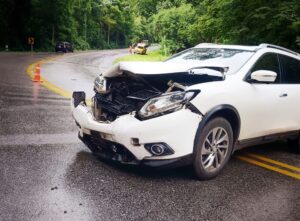 Bridge accidents pose risks that are distinct from those of regular road crashes, which is why prompt and careful action is vital. Limited escape routes leave little room to pull over, and narrow shoulders offer almost no safe space.
Traffic on Tampa Bay bridges often moves at high speeds, so drivers approaching a blocked lane may not have enough time or distance to avoid a second crash. Weather exposure is another issue because wind, rain, and intense heat can make both accidents and the wait for help more dangerous.
In severe crashes, vehicles can break through barriers and enter the water, creating life-threatening emergencies. Heavy traffic can also slow first responders, affecting how quickly injured people receive care. Many victims also describe feeling a strong sense of fear or confusion during a bridge accident, especially when surrounded by water. These challenges underscore the importance of making careful, focused decisions in bridge crashes.
Immediate Steps: Safety First
When an accident occurs on a Tampa Bay bridge, your priority must be safety. Here’s what to do in the critical moments following a collision:
Check for Injuries: Before anything else, assess whether you or your passengers suffered an injury. If anyone is hurt, call 911 immediately. Even if injuries seem minor, shock and adrenaline can mask pain and serious conditions.
Turn on Hazard Lights: Activate your vehicle’s hazard lights immediately to warn approaching traffic of the accident scene.
Assess Whether It’s Safe to Exit Your Vehicle: This is a key decision. If your vehicle is in an active traffic lane and you cannot safely move it, and if traffic is approaching at high speed, it may actually be safer to remain in your vehicle with your seatbelt fastened until help arrives. However, if your vehicle is on fire, leaking fuel, or at risk of being struck by oncoming traffic, you must carefully exit and move to safety.
Move to a Safe Location If Possible: If you can safely exit your vehicle, move to the safest available location. On many Tampa Bay bridges, this means moving behind a guardrail on the bridge’s edge, as far from traffic as possible. Never stand in a traffic lane or walk in moving traffic.
Move Vehicles Only If Safe and Necessary: Florida law actually encourages moving vehicles involved in minor accidents out of traffic when it’s safe to do so. If your vehicle is drivable, no one is seriously injured, and you can safely move to the shoulder or off the bridge, do so. However, if there are serious injuries, major damage, or any doubt about safety, leave vehicles where they are and let the police handle traffic control.
Call 911: Report the accident to emergency services. Explain that the accident occurred on a bridge, specify which bridge and approximate location (such as northbound Howard Frankland near the St. Petersburg approach), and clearly communicate whether anyone suffered an injury.
Set Up Warning Devices If Safe: If you have emergency triangles or flares and can safely set them up without entering active traffic lanes, do so to provide additional warning to approaching vehicles.
Interacting with Other Drivers
Once you are out of immediate danger, you will need to exchange information with the other drivers, since Florida law requires it, and your insurance claim depends on it. Try to remain calm and polite, even in tense situations.
Anger only makes things harder, and maintaining a steady voice helps you stay focused and composed. You must share and collect names, contact details, driver’s license numbers, license plate numbers, insurance information, and the make and model of each vehicle. Keep your conversation short and factual.
Do not apologize or say anything that can sound like you are accepting blame. Even simple comments can hurt your case later. Do not discuss how the accident happened or who caused it.
Share those details only with police officers and your attorney. While you should take photos and videos of the scene, be aware that others may also be recording. Behave as if someone is recording every word and action you take. Careful communication protects you and keeps your claim on solid ground.
Documenting the Car Accident Scene
Documentation is essential for protecting your insurance claim and potential legal case. Even though you’re on a bridge with limited time and space, gathering evidence is critical:
Take Photographs
Use your smartphone to photograph the extensive damage to all vehicles from multiple angles, including road conditions, any debris or skid marks, traffic signs and signals, bridge landmarks or mile markers for location reference, weather conditions, and visible injuries. Take wide shots showing the overall scene and close-ups of specific damage.
Record Video
A brief video panning across the accident scene can capture details that still photos might miss, providing context about lighting, weather, and traffic conditions.
Note Details
Write down or record voice notes about the time and date, weather and visibility conditions, traffic conditions, approximate speed you were traveling, and anything you remember about how the accident happened, including the other vehicle’s actions.
Identify Witnesses
If other drivers stopped or passengers in other vehicles witnessed the accident, get their contact information. Witness testimony can be invaluable, especially if the other driver disputes what happened.
Document Your Own Condition
Note how you feel physically and emotionally. Even if you don’t think you suffered an injury, documenting that you felt shaken, had a headache, or noticed pain can be important if symptoms worsen later.
Dealing with the Police
When police arrive at a Tampa Bay bridge accident scene, they’ll investigate and prepare an official accident report. Here’s how to handle this interaction:
Cooperate Fully
Provide your license, registration, and insurance information as requested. Answer the officer’s questions truthfully and factually.
Stick to the Facts
Describe what happened without speculation or opinion. For example, say “The other vehicle struck my car from behind” rather than “They were going too fast and not paying attention.”
Don’t Admit Fault
You can describe what happened without taking blame. Remember, you may not understand all the factors that contributed to the accident.
Request a Report Number
Make sure to get the police report number. You or your attorney will need this to obtain a copy of the report, which will be crucial for your insurance claim and any legal action.
Describe Injuries
If you’re experiencing any pain or discomfort, please inform the officer. This creates an official record linking your injuries to the accident.
Be Patient
Bridge accidents often cause significant traffic delays, and multiple agencies may respond to the incident. The process may take time, but thorough police documentation ensures your interests are protected.
Seeking Medical Attention
 Even if you feel okay after a bridge accident, consulting a doctor should be your priority. Go to the emergency room right away if you have severe pain, bleeding, trouble breathing, confusion, dizziness, or any worrying symptoms.
Even with mild discomfort, visit your doctor or urgent care within a day or two because issues like concussions or soft tissue injuries can appear later. Follow every treatment recommendation to avoid gaps that insurers can use to limit your claim.
Keep all medical records, bills, and receipts, and write notes about pain, missed work, and daily limits. PIP coverage pays for early care, but serious injuries may allow a claim against the at-fault driver.
Reporting to Insurance Companies
You’ll need to report the accident to insurance companies, but timing and content matter:
- Report the crash to your insurer as soon as possible and share only the basic details, including the time, place, and that it occurred on a bridge.
- Keep your statement short and factual, and avoid recorded statements before legal advice.
- Never admit fault during any insurance conversation.
- Tell your insurer you suffered an injury and are getting medical care.
- Speak with a Tampa car accident attorney before talking to the other driver’s insurer, since they aim to limit payouts.
- Avoid fast car accident settlement offers and do not sign anything until you know the full impact of your injuries.
Understanding Florida No-Fault Insurance
Florida’s no-fault rules shape how bridge accident claims move forward. PIP coverage pays medical bills and a portion of lost earnings, regardless of fault, and drivers must also carry property damage liability coverage for harm they cause.
You may step outside the no-fault system if your injuries are permanent, involve major scarring, or result in death. Optional uninsured and underinsured motorist coverage can help when the other driver lacks insurance. These rules are complex, so a skilled attorney can assess whether you qualify to pursue full compensation.
Why You Need a Tampa Car Accident Attorney
Bridge accidents on Tampa Bay waterways often lead to severe injuries and difficult questions about who is responsible. Insurance companies also act quickly to limit the amount they must pay, which makes skilled legal help crucial.
A dedicated attorney can dig into every detail by reviewing police reports, speaking with witnesses, studying photos, and bringing in accident reconstructionists when needed. This thorough review lays a solid foundation for your claim.
Insurance adjusters use tactics that reduce payouts, so having someone who knows how to counter their strategies can make a major difference. A good attorney also works to uncover the full value of your losses. This includes medical bills, future treatment, missed income, reduced earning ability, pain, stress, and any long-term effects on your daily life.
Your rights matter from the first insurance call through the final resolution. If negotiations fail, a trial-ready attorney demonstrates that others must take your case seriously. Many insurers increase settlement offers when they see that your personal injury lawyer is ready for court. With a contingency fee agreement, you pay nothing up front. Payment only comes from compensation won on your behalf.
What Compensation Can You Recover?
If another driver’s negligence caused your Tampa Bay bridge accident, you may seek economic damages for medical bills, lost income, lost earning capacity, property damage, and other costs.
You may also recover non-economic damages for pain, suffering, emotional distress, and loss of enjoyment of life. Florida allows for full recovery when your injuries meet the threshold of a serious injury.
You generally have four years to file a lawsuit, and PIP requires treatment within fourteen days. Acting quickly helps protect your claim and strengthens your case.
Moving Forward After Your Bridge Accident
 A crash on a Tampa Bay bridge can leave you hurt, stressed, and unsure of what comes next. Many Tampa residents have trusted us after experiencing serious bridge accidents, and their outcomes demonstrate that steady guidance can make a significant difference.
You can focus on healing while we handle insurance issues, collect key evidence, and work to secure the full value of your claim. We only get paid if we win. If you suffered an injury on a Tampa Bay bridge, you can contact us at Boohoff Law, P.A., at any time for a free, private consultation. We are here to support you.
Questions People Ask After a Tampa Bay Bridge Car Accident
Why are accidents on Tampa Bay bridges so dangerous?
Bridge crashes can be frightening because there is little room to maneuver, traffic moves quickly, and the weather hits hard on open water. These risks increase the likelihood of injuries and create genuine fear in the moments following a collision.
What should I do right after a crash on the bridge?
Check for injuries, turn on your hazard lights, and decide if it is safe to stay in your vehicle or move behind a barrier. If you can do so safely, take photos, note the location, and wait in the safest spot you can find.
Do I need medical care even if I feel fine?
Yes. Many injuries show up hours later. A quick visit to a doctor protects both your health and your claim.
How should I handle insurance companies after a bridge accident?
Give only basic facts and avoid long explanations. Do not accept quick offers, as they often overlook hidden injuries and long-term needs.

Free Consultation
We Are Here For You 24/7
Reviews

– Elissa M.
“Really pleased with Boohoff Law! Received immediate responses when I had any questions. Treated amazingly by all staff … made this process a true breeze!”
– Caitlyn M.
– Brandy K.
Related Posts
Who Is Liable for a Trailer Detachment Accident in Washington?
Who’s Liable in a Lumber Truck Accident Near Olympia, WA?
What to Do When Your Total Loss Offer Is Too Low in Olympia, WA
Recovery is personal.
We’re here for you.
We’re close by. And if you can’t make it to us, we’ll meet you where you need us, at home or in the hospital.













© 2025 Boohoff Law, P.A. — Auto Accident Lawyers.
The information on this website is for general information purposes only. Nothing on this site should be taken as legal advice for any individual case or situation. This information is not intended to create, and receipt or viewing does not constitute, an attorney-client relationship.
Disclaimer: The results and testimonials presented on this website are based on the unique facts and circumstances of each case. Past results do not guarantee or predict similar outcomes in future cases. Every legal matter is different, and you should not rely on prior case results as an expectation of future performance.
