After a car accident, the scene can feel loud and confusing. In those first minutes, good records can shape what happens next. Photos, videos, and notes become the base of your insurance claim and any lawsuit that follows. When key details are missing, insurance companies may question your story, downplay injuries, or refuse payment.
Clear documentation helps protect your side and supports fair results. This guidance applies regardless of where the crash occurs, whether in Tampa, Olympia, or elsewhere. Knowing what to capture and why it matters gives you more control during a stressful time. Simple steps taken early can save time, reduce stress, and prevent problems later for victims. For help moving forward after a crash, connect with Boohoff Law, P.A., a car accident attorney focused on protecting injured people.
How to Document Your Accident Scene Like a Pro: Key Takeaways
- Evidence beats opinions. Photos, videos, and notes taken at the scene protect you from “he-said-she-said” disputes and insurance pushback.
- Act early and thoroughly. Document vehicles, damage, road conditions, traffic controls, and injuries before evidence disappears.
- Details protect compensation. Clear records help establish fault, causation of injury, and the full extent of damages.
- Safety comes first. Secure medical help and move to a safe area before gathering evidence.
- Call a lawyer. Contact our attorneys promptly to protect your rights and ensure your documentation supports your claim.
Why Accident Scene Documentation Matters
Insurance companies don’t take your word for what happened. They require evidence to prove fault, damages, and injury causation. Without proper documentation, you face several challenges:
- He-Said-She-Said Disputes: When accounts conflict and no objective evidence exists, insurance companies often side with their insureds, leaving you to fight an uphill battle.
- Minimized Damages: Insurance adjusters often claim that damage was pre-existing, repairs are excessive, or injuries didn’t result from the accident. Proper documentation disproves these arguments.
- Delayed or Denied Claims: Missing evidence provides insurance companies with excuses to delay investigations, request repeated information, or deny claims outright.
- Reduced Compensation: Even when insurers don’t deny claims, they often issue lowball settlement offers if documentation fails to prove actual losses.
- Difficult Litigation: If cases go to trial, judges and juries need evidence. Thorough accident scene documentation provides compelling proof supporting your claims.
The good news is that modern smartphones make comprehensive documentation accessible to everyone. You don’t need professional equipment—just knowledge of what to capture and how to do it effectively.
Immediate Priorities: Safety First
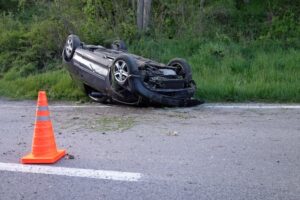 Before documenting anything, prioritize safety. Check for injuries to yourself and passengers and call 911 immediately if anyone is hurt. Move to safety if vehicles are drivable and it is safe, but leave them in place when there are serious injuries or major damage.
Activate your hazard lights to warn approaching traffic, and set up warning devices, such as triangles or flares, if you can do so safely. Only begin documentation after safety is secured, and never risk further harm to gather evidence.
Essential Photographs to Take
Photographic evidence is the cornerstone of accident scene documentation. Modern smartphones can capture everything you need:
Overall Scene Photos
Take wide shots showing the entire accident scene from multiple angles. Capture all involved vehicles in relation to each other, including road conditions and layout, traffic control devices such as signs and signals, weather conditions, and lighting. These overview photos establish context for everything else.
Each Vehicle from Multiple Angles
Photograph every vehicle involved from all sides—front, rear, both sides, and corners. Take both wide shots showing entire vehicles and close-ups of specific damage. This document details the full extent of damage and helps accident reconstructionists understand collision dynamics.
Specific Damage Close-Ups
Take detailed close-up photographs of every damaged area on each vehicle. Include scratches, dents, broken glass, deployed airbags, fluid leaks, tire damage, and any other impact evidence. These photos demonstrate the severity of the damage and refute insurance company claims that the damage was pre-existing or minimal.
Vehicle Positions and Final Rest Locations
A photograph of where vehicles came to rest after the accident. Include reference points like lane markings, curbs, intersections, and landmarks. This helps reconstruct the accident and prove fault.
Skid Marks and Road Evidence
If there are tire marks, debris fields, fluid trails, or other physical evidence on the roadway, photograph them extensively. Include close-ups that show mark details and wider shots that show their relationship to vehicles and roadway features. This evidence proves vehicle speeds, directions, and braking efforts.
Traffic Control Devices
Photograph all relevant traffic signs, signals, lane markings, crosswalks, and other traffic controls. Show what was visible from each driver’s perspective approaching the accident location. This evidence establishes who had the right-of-way and which traffic laws were applicable.
Environmental Conditions
Document weather conditions, road surface conditions, lighting, and visibility factors. If it’s raining, be aware of wet pavement. If sun glare is a factor, photograph it. If visibility is poor, document it. These photos explain how conditions contributed to the accident.
License Plates
Photograph license plates of all involved vehicles, clearly showing plate numbers and states. This ensures that you have accurate vehicle identification, even if the information exchanged at the scene contains errors.
Vehicle Interiors
If applicable, photograph deployed airbags, damaged interiors, blood or other injury evidence, car seat damage, and anything else inside vehicles showing impact severity.
Intersection and Road Layout
If the accident occurred at an intersection, photograph the entire intersection showing all approach directions, lane configurations, sight distances, and any visibility obstructions. This contextualizes how the accident occurred.
Property Damage
If the accident damaged fences, mailboxes, guardrails, buildings, or other property, document this damage thoroughly.
Taking Effective Photographs
How you take photos matters as much as what you photograph:
Take Many Photos: Storage is cheap, and you can’t return to accident scenes later. Take more photos than you think necessary from multiple angles and distances. You can always delete unnecessary images later.
Include Reference Points: Include landmarks, street signs, building addresses, or other references in photos establishing location and scale.
Use Good Lighting: If possible, avoid backlight and shadows that obscure important details. Use your phone’s flash for close-ups if needed.
Keep Photos Organized: Many modern smartphones automatically timestamp and geotag photos. Keep all accident photos organized and avoid deleting any until you fully resolve your case.
Capture Video: In addition to still photos, consider taking a brief video panning across the accident scene. Video captures details that still photos might miss and provides additional context.
Information to Record
Beyond photographs, document the following information:
Date, Time, and Location: Record the exact date, time, and location of the accident. Note the specific address or intersection, including cross streets.
Other Driver Information: Exchange and record the other driver’s full name and contact information, driver’s license number and state, license plate number and state, insurance company name and policy number, and vehicle make, model, year, and color. Take photos of their driver’s license and insurance card rather than relying on handwritten notes.
Vehicle Owner Information: If the other driver doesn’t own the vehicle, get the owner’s name and contact information.
Passenger Information: Record names and contact information for all passengers in all vehicles. Passengers may be important witnesses.
Witness Information: Identify witnesses who saw the accident. Get their names, phone numbers, email addresses, and brief descriptions of what they observed. Don’t assume the police will get this information—collect it yourself.
Police Information: If police respond, get the officer’s name, badge number, agency, and report number. Ask how to obtain a copy of the accident report.
Your Own Observations: Write down or record voice notes describing how the accident happened, what you observed before impact, the other driver’s actions, what you were doing, weather and road conditions, and any statements the other driver made. Do this while events are fresh in your memory.
Damage Description: List all visible damage to your vehicle and any injuries you notice, even if they seem minor. Pain and damage can worsen over time, but documenting your initial observations creates important records to reference later.
Traffic Conditions: Note traffic density, traffic flow directions, and any unusual conditions affecting the accident.
What Not to Do
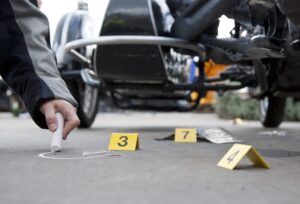 Certain actions can seriously harm your accident claim if you are not careful. Do not admit fault, even casually, and limit conversations with the other driver to exchanging basic information only.
Avoid accepting quick cash settlements or signing any documents at the scene, as this can waive important legal rights. Stay off social media, since insurers monitor posts for anything they can use against you. Finally, never leave without documenting the scene, because once evidence disappears, you cannot recover it.
Special Documentation for Specific Accident Types
Certain crashes need extra documentation to protect your claim. Dangerous intersection accidents require photos of traffic signals, signs, timing, and sight lines from every approach. Rear-end collisions call for documenting vehicle spacing, brake light function, and skid or brake marks.
Parking lot accidents demand images of layout, arrows, signs, and visibility issues. Hit-and-run accidents require immediate documentation, including photos, vehicle details, witness information, and a police report. Pedestrian and bicycle accidents require photos of crosswalks, signals, positions, and sight lines. Commercial truck accidents require the company name, DOT number, license plates, cargo, and any visible defects.
Documenting Injuries
Injury documentation starts immediately at the scene. Photograph all visible injuries such as cuts, bruises, swelling, bleeding, or abrasions to establish causation and severity. Record how you feel by writing or voice noting pain, dizziness, confusion, or other symptoms, since serious injuries may not be visible right away.
Document medical treatment provided by paramedics or hospital transport, as these records help establish medical bills after car accident cases. Continue photographing injuries over the following days, as bruising and swelling often worsen later and help prove injury progression.
Using Your Documentation Effectively
Protecting your evidence is just as important as gathering it. Back up everything immediately by saving photos and notes to cloud storage or a computer. Organize files clearly by date and description to prevent misplacement.
Do not alter or edit photos, because courts may exclude altered images that lose credibility. Share all evidence with your accident injury attorney promptly, and avoid giving documentation to insurance companies before legal guidance to protect your rights and strengthen your claim.
Start Protecting Your Rights Today
 Accidents can be chaotic and stressful, but careful documentation can protect your future. The evidence you gather in those first moments often determines whether you recover fair compensation or face resistance from insurance companies determined to minimize your claim. Even strong documentation can fail without guidance from experienced personal injury lawyers.
At Boohoff Law, recovery is personal. Our team stands up to insurance companies, understands the real challenges injured individuals face, and fights relentlessly for fair treatment. We know how to preserve evidence, strengthen it through professional investigation, and present compelling cases that demand full compensation. Clients trust us because we combine skill, preparation, and genuine commitment to results.
Whether you are in Tampa, Florida, or Olympia, Washington, you are better off with Boohoff. Contact us for a free, confidential consultation and let us protect your rights while you focus on recovery.
FAQs: How to Document Your Accident Scene Like a Pro
Why is accident scene documentation so important?
Insurance companies rely on evidence, not stories. Photos, videos, and notes prove the cause of fault, damage, and injury. Without them, insurers may dispute what happened, downplay injuries, or deny payment.
What should I do first after a crash?
Safety comes first. Check for injuries, call 911 if anyone is hurt, and move to a safe location if possible. Only start documenting once everyone is out of danger.
What photos matter most at the accident scene?
Take wide shots of the full scene, all vehicles from multiple angles, close-ups of damage, final vehicle positions, skid marks, road debris, traffic signs, weather conditions, and license plates. These images tell the full story.
Should I take both video and photos?
Yes. Short videos panning the scene can capture details that photos often miss, such as traffic flow, distances, and overall layout.
What information should I write down?
Record the date, time, and exact location. Collect driver, vehicle, insurance, passenger, and witness details. Note the officer’s name and report number if police respond.
Should I document my injuries at the scene?
Yes. Photograph visible injuries and record how you feel, even if symptoms seem minor. Continue documenting injuries as bruising and swelling develop.
What should I avoid doing?
Do not admit fault, sign documents, accept quick cash, or post on social media. Never leave before documenting the scene.

Free Consultation
We Are Here For You 24/7
Reviews

– Elissa M.
“Really pleased with Boohoff Law! Received immediate responses when I had any questions. Treated amazingly by all staff … made this process a true breeze!”
– Caitlyn M.
– Brandy K.
Related Posts
How to Document Your Accident Scene Like a Pro
Lane Splitting Myths for Washington Motorcyclists—What’s Actually Legal?
The Rise of Electric Vehicles in Tampa and How Accident Claims Are Changing
Recovery is personal.
We’re here for you.
We’re close by. And if you can’t make it to us, we’ll meet you where you need us, at home or in the hospital.













© 2025 Boohoff Law, P.A. — Auto Accident Lawyers.
The information on this website is for general information purposes only. Nothing on this site should be taken as legal advice for any individual case or situation. This information is not intended to create, and receipt or viewing does not constitute, an attorney-client relationship.
Disclaimer: The results and testimonials presented on this website are based on the unique facts and circumstances of each case. Past results do not guarantee or predict similar outcomes in future cases. Every legal matter is different, and you should not rely on prior case results as an expectation of future performance.
