Immediately after a car accident, collecting the right evidence can make a significant difference in obtaining fair compensation. Photos, videos, and notes from the scene help support your insurance claim and any lawsuit that follows.
Missing key details can let insurance adjusters downplay your injuries or reject your claim. Knowing what to record, how to record it, and why each piece matters gives you a stronger case. This information is important for anyone involved in a crash, whether in Tampa, Olympia, or elsewhere. If you need guidance after a car accident, turn to Boohoff Law, P.A., a Tampa and Olympia car accident attorney ready to protect your rights and pursue fair compensation.
Lane Splitting Myths for Washington Motorcyclists: Key Takeaways
- Lane splitting is always illegal. Washington law does not allow motorcycles to ride between lanes, regardless of speed, traffic conditions, or safety assumptions.
- Lane filtering is not permitted. Moving to the front of stopped traffic at intersections is considered lane splitting and is also illegal in many jurisdictions.
- Lane sharing with other motorcycles is legal. Two motorcycles may ride side by side within a single lane, which is different from lane splitting.
- Illegal lane splitting affects liability. Accidents involving lane splitting can reduce compensation and increase the perceived fault under the doctrine of negligence per se.
- Call a lawyer. Contact our attorneys to protect your rights, navigate complex liability issues, and ensure fair compensation after a fatal motorcycle accident.
What Is Lane Splitting?
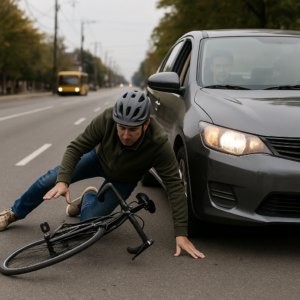 Before examining Washington law, let’s clarify terminology. Lane splitting, also known as white-lining or stripe-riding, occurs when a motorcycle travels between two lanes of vehicles moving in the same direction, typically riding on the lane markings. This practice is most common in heavy traffic when motorcyclists move between lanes of slow-moving or stopped cars.
Lane Filtering
A related practice where motorcyclists move to the front of stopped traffic at intersections by riding between lanes. This is technically a form of lane splitting, but it occurs specifically when traffic is completely at a standstill.
Lane Sharing
When two motorcycles ride side by side in the same lane, they follow different rules than those that govern lane splitting.
These distinctions matter because Washington law treats them differently, and confusion about terminology contributes to dangerous myths about what’s legal.
Washington State Law on Lane Splitting: The Truth
Here’s what every Washington motorcyclist needs to know: lane splitting is illegal in Washington State. Despite persistent myths suggesting otherwise, no provision of Washington law permits motorcycles to ride between lanes of traffic.
RCW 46.61.608 specifically addresses the operation and lane usage of motorcycles. The statute grants motorcycles full use of a lane and prohibits any motor vehicle from driving in a way that deprives a motorcycle of that full use. However, this statute does not authorize lane splitting.
Washington Traffic Laws: Multiple provisions of Washington traffic law implicitly prohibit lane splitting by requiring vehicles to travel within single lanes and not move from lanes until it is safe to do so. When motorcyclists split lanes, they’re effectively traveling outside defined lanes, violating these requirements.
No Exceptions: Unlike California, which explicitly permits lane splitting under certain conditions, Washington law provides no circumstances under which lane splitting is legal. Not at low speeds, not in stopped traffic, and not on highways or surface streets—it is completely prohibited.
Common Myths About Lane Splitting in Washington
Despite clear law, several persistent myths circulate among Washington motorcyclists:
Myth 1: “Lane splitting is legal at low speeds.” False.
No provision of Washington law permits lane splitting at any speed. Some motorcyclists believe that splitting lanes at speeds below fifteen or twenty miles per hour is legal, perhaps confusing Washington law with California’s approach. This is incorrect and can result in traffic citations and liability in the event of an accident.
Myth 2: “Drivers may lane split only when traffic comes to a complete halt.” False.
Even when traffic is at a standstill, such as at red lights or in heavy congestion, lane splitting remains illegal in Washington. The statute makes no exception for stopped traffic, and law enforcement can cite motorcyclists who split lanes even in gridlock.
Myth 3: “Lane filtering at intersections is legal.” False.
While some states have begun permitting lane filtering—where motorcyclists move to the front of stopped traffic at lights—Washington is not among them. Filtering between lanes to reach the front of intersection queues violates Washington law just as lane splitting does at any other location.
Myth 4: “Police don’t enforce lane splitting laws.” Misleading.
While enforcement varies by jurisdiction and circumstances, Washington law enforcement can and does cite motorcyclists for lane splitting. More importantly, whether police issue citations, lane splitting affects liability and compensation in accident cases.
Myth 5: “Emergencies make lane splitting legal.” Mostly false.
While general necessity defenses may apply in truly extraordinary circumstances, routine traffic congestion or the desire to reach destinations more quickly doesn’t create a legal justification for lane splitting.
Myth 6: “Lane sharing with another motorcycle is the same as lane splitting.” False.
These are distinct practices with varying legal implications. RCW 46.61.608 specifically permits two motorcycles to share a single lane side by side. This is legal lane sharing, not lane splitting between lanes of traffic.
Why the Confusion Exists
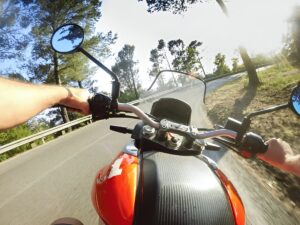 Confusion about the legality of lane splitting in Washington stems from several key factors. California law explicitly permits lane splitting, leading riders to assume Washington allows it too. Proposed legislation and media coverage create the impression that lane splitting is or will soon be legal.
Anecdotal enforcement, such as riders not receiving citations, falsely suggests tolerance and a lack of safety concerns. Internet misinformation disseminates incorrect claims about legal circumstances, thereby exacerbating misunderstandings. These factors create widespread confusion among motorcyclists about what Washington law actually permits.
How Lane Splitting Affects Accident Liability
When accidents involving motorcyclists who are lane splitting occur, several legal consequences arise. The presumption of fault applies because lane splitting violates Washington traffic law, making riders automatically appear negligent under negligence per se principles. Shared fault means that motorcyclists’ illegal behavior is assigned significant responsibility, reducing compensation even if other drivers contributed to the accident.
Insurance claim complications often occur, as insurers use lane splitting to deny or minimize payouts. Diminished credibility affects court perception, with judges and juries being less sympathetic to riders who break traffic laws. Defense arguments commonly rely on lane splitting, asserting that the illegal conduct caused the accident, regardless of the actions of other drivers, making legal recovery more challenging.
Accidents Where Lane Splitting Becomes an Issue
Several common accident scenarios involve lane-splitting questions:
- Sideswipe Collisions: When motorcyclists split lanes, vehicles changing lanes may strike them. Insurance companies argue that motorcyclists shouldn’t have been between lanes regardless of whether lane-changing vehicles signaled or checked mirrors properly.
- Door Opening Accidents: In congested traffic with street parking, opened car doors strike lane-splitting motorcyclists. While opening doors into traffic is negligent, the illegal positioning of motorcyclists affects liability allocation.
- Merging Accidents: Vehicles merging from on-ramps or side streets may not anticipate motorcycles traveling between lanes. Lane splitting becomes a causation issue.
- Intersection Accidents: Motorcyclists filtering between lanes to reach the intersection fronts are struck by turning vehicles. Questions arise about whether legal lane positioning may have prevented collisions.
- Chain Reaction Accidents: When lane-splitting motorcyclists cause other vehicles to brake or swerve, resulting in multi-vehicle accidents, it creates complex liability with the motorcyclist’s illegal conduct as a contributing factor.
Defending Against Unfair Blame
While lane splitting is illegal in Washington, motorcyclists involved in accidents aren’t automatically at fault for all consequences:
Other Driver Negligence: Even if motorcyclists were lane splitting, other drivers who acted negligently bear responsibility for their actions. Failure to check blind spots, unsafe lane changes, distracted driving, and other violations don’t disappear because motorcyclists were splitting lanes.
Causation Analysis: The key question is whether lane splitting actually caused the accident or merely created circumstances where another driver’s negligence resulted in the collision. Skilled attorneys distinguish between the two.
Shared Fault Defense: Washington’s modified shared fault system allows recovery even when motorcyclists share responsibility, as long as their fault doesn’t exceed fifty percent. Proper liability allocation ensures fair compensation, even in cases of lane splitting.
Mitigating Circumstances: Factors such as traffic congestion, other drivers’ extreme negligence, and immediate pre-accident events can reduce motorcyclists’ shared fault percentages.
Legal Lane Positioning for Washington Motorcyclists
To avoid lane splitting complications, Washington motorcyclists should understand legal lane use:
Full Lane Use: Motorcycles are entitled to full use of traffic lanes. Ride within lane markings, not on them or between them.
Lane Selection: Choose lanes providing the best visibility, escape routes, and positioning for the intended direction of travel.
Lane Sharing with Other Motorcycles: Two motorcycles may legally ride side by side within a single lane under RCW 46.61.608. This is a legal and sometimes safer alternative to single-file riding.
Lane Changes: When changing lanes, use your turn signals, check your mirrors and blind spots, and ensure you have adequate space, just as car drivers must.
Positioning Within Lanes: Motorcyclists can adjust their position within lanes—riding near the left, center, or right portions of lanes—to maximize visibility and safety. This within-lane positioning is legal and often recommended for safety.
What to Do After a Motorcycle Accident in Olympia
If you’re involved in a motorcycle accident in Washington, protect your rights:
Seek Medical Attention: Even if injuries seem minor, seek medical attention immediately. Many serious motorcycle injuries don’t manifest symptoms initially.
Report to the Police: Call law enforcement to officially document the accident. This is especially important if there are questions about lane positioning or other traffic violations.
Document Everything: Photograph the accident scene, all vehicles, visible injuries, road conditions, and lane markings. Document exactly where you positioned yourself and how the accident occurred.
Identify Witnesses: Get contact information for anyone who saw the accident. Witness testimony about how the accident happened and your lane positioning is crucial.
Don’t Admit Fault: Even if you were lane splitting, don’t admit fault or apologize at the scene. Let investigation and legal analysis determine the allocation of liability.
Preserve Your Motorcycle: Do not repair or dispose of your motorcycle until you inspect and document it. Physical evidence on the bike may prove important.
Contact an Experienced Attorney: Before giving recorded statements to insurance companies or accepting settlement offers, consult an attorney who understands Washington motorcycle laws and how to protect injured riders’ rights.
The Bottom Line for Washington Motorcyclists
 Lane splitting is illegal in Washington State under all circumstances. Even in slow traffic, with a hot engine, or when it seems safe, splitting lanes violates state law and creates legal liability in the event of an accident. The safest protection is to ride within full lanes as the law permits.
If an accident occurs where lane splitting is a factor, you may still be eligible to recover compensation. Other drivers’ negligence matters, and fair liability allocation can allow substantial recovery. At Boohoff Law, recovery is personal, and our experienced personal injury lawyer understands the challenges and prejudices faced by motorcyclists and fights for fair treatment under Washington law.
With thousands of happy clients, multi-million-dollar recoveries, and recognition from the Multi-Million Dollar Advocates Forum and Washington Bar, we have the experience to protect your rights. Contact Boohoff Law for a free, confidential consultation. We handle the legal complexities while you focus on recovery.
FAQs: Lane Splitting Myths and Washington Motorcycle Law
Is lane splitting legal in Washington State?
No. Lane splitting is illegal in Washington under all circumstances. It does not matter if traffic is slow, stopped, or gridlocked. Unlike California, Washington law does not provide any exceptions that allow motorcycles to ride between lanes of traffic.
Is lane filtering at intersections allowed in Washington?
No. Lane filtering, where riders move to the front of stopped traffic at red lights, is also illegal. Many riders confuse proposed laws or rules from other states with Washington law, but filtering remains prohibited.
Are any forms of riding side by side legal for motorcycles?
Yes, but only lane sharing with another motorcycle. Washington law allows two motorcycles to ride side by side within the same lane. Riders often misunderstand this because it differs from lane splitting between cars.
How does lane splitting affect fault after a motorcycle accident?
Because riders break traffic law when lane splitting, insurers and attorneys can use it as evidence of negligence; insurance companies often rely on this to reduce or deny compensation. However, lane splitting does not automatically make the rider fully at fault if another driver acted negligently.
Can I still recover compensation if lane splitting is involved?
Yes. Washington follows a modified system of shared fault. If another driver contributed to the crash through unsafe lane changes, distraction, or failure to check mirrors, you may still recover damages as long as your fault is not more than fifty percent.
Why should I call Boohoff Law after a motorcycle accident in Washington?
Motorcycle cases involving lane splitting are legally complex. Boohoff Law carefully analyzes fault, challenges unfair blame, gathers evidence, and fights insurance tactics designed to minimize payouts. You pay nothing unless they win.

Free Consultation
We Are Here For You 24/7
Reviews

– Elissa M.
“Really pleased with Boohoff Law! Received immediate responses when I had any questions. Treated amazingly by all staff … made this process a true breeze!”
– Caitlyn M.
– Brandy K.
Related Posts
Who Is Liable for a Trailer Detachment Accident in Washington?
Who’s Liable in a Lumber Truck Accident Near Olympia, WA?
What to Do When Your Total Loss Offer Is Too Low in Olympia, WA
Recovery is personal.
We’re here for you.
We’re close by. And if you can’t make it to us, we’ll meet you where you need us, at home or in the hospital.












© 2025 Boohoff Law, P.A. — Auto Accident Lawyers.
The information on this website is for general information purposes only. Nothing on this site should be taken as legal advice for any individual case or situation. This information is not intended to create, and receipt or viewing does not constitute, an attorney-client relationship.
Disclaimer: The results and testimonials presented on this website are based on the unique facts and circumstances of each case. Past results do not guarantee or predict similar outcomes in future cases. Every legal matter is different, and you should not rely on prior case results as an expectation of future performance.
