No Fees
Unless We Win
Millions Recovered!
North Port Drunk Driving Accident Lawyer

In North Port, you may be entitled to compensation if you suffered injuries from a drunk driver. Contact our drunk driving accident lawyers today to protect your legal rights.
Alcohol-impaired drivers pose a danger not only to themselves but also to pedestrians, motorcyclists, and other road users. After a drunk driving accident, you should seek legal counsel from a reputable law firm to help you understand your rights.
We will hold the drunk driver responsible for their actions in North Port, and we will help you in your fight for justice. Count on us to seek the maximum compensation for your injuries, pain and suffering, lost wages, and property damage.
Our office can set up a free consultation, and our drunk driving accident attorneys will explain the process of filing a claim and how we can help you. We are available twenty-four hours a day, seven days a week.
North Port personal injury lawyers can help if a drunk driver in North Port injured you. We obtain millions in compensation for our clients, and we can help you obtain compensation for your injuries.
Available 24/7
Our specialists are here to listen and help for free, no strings attached.
(941) 888-0848
for a free consultation
Finding a Drunk Driving Accident Lawyer
If you hire an attorney to represent you in a drunk driving accident lawsuit, they cannot guarantee results. However, finding an attorney with experience handling drunk driving accident cases can help. An attorney with a successful track record has experience dealing with insurance companies that won’t pay out claims and successfully litigating drunk driving accident cases in court.
The Most Common Types of Drunk Driving Accidents in North Port, FL
Alcohol can seriously impair a driver’s ability to make good decisions behind the wheel. An impaired driver poses a serious risk on the road because they are unpredictable. In North Port, you should always be aware and watch for signs of dangerous driving.
The following are some of the most typical accidents driving under the influence cause:
- Rear-end collision: Drunk drivers tend to have slower reaction times, making them more likely to rear-end another vehicle.
- Head-on collision: A drunk driver will usually swerve in and out of traffic, which can quickly end up in a head-on collision. Head-on collisions tend to cause serious or life-threatening injuries.
- T-Bone collision: A drunk driver can cause a T-bone crash when they hit another vehicle from the side. This is also known as a side-impact crash. T-bone crashes may occur when a driver fails to stop at a red light or stop sign.
- Wrong-way collision: A drunk driver can end up in a wrong-way crash when they turn the wrong way on a one-way street or drive into a freeway off-ramp. Wrong-way crashes on the freeway often result in death.

Why Hire Us?
As you focus on your recovery, we’ll handle your case, helping you understand the real value of your claim, explaining all your options, and dealing with the insurance companies and legal system to ensure you get the compensation you deserve. We have an excellent rating on Avvo as a top-rated personal injury law firm.
Our firm ranks in the top 10 in client satisfaction, according to the American Institute of Personal Injury Attorneys. If you’ve suffered an injury in a drunk driving accident, become one of our thousands of happy clients.

Identifying a Drunk Driver in North Port
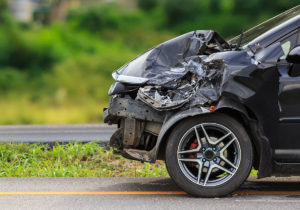 Keep an eye out for dangerous driving on the roads of North Port. Do not wait to call the police if you see someone who might be driving under the influence of alcohol or drugs. Acting quickly can save lives.
The signs of drunk driving are not always obvious, but watch out for:
- Swerving: Drunk drivers have a hard time staying in their lane.
- Ignoring traffic laws: Drunk drivers are usually unable to see or read traffic signs on the road, or they may choose to ignore traffic signs. The most common traffic infractions include speeding, failing to signal, driving the wrong way, and running red lights or stop signs.
- Driving too fast or too slowly: Most of the time, drunk drivers are usually aware of how many drinks they have had, so they might drive too slowly. In other cases, they might speed up to reach their destination faster. Despite this, most drunk drivers can’t accurately estimate how fast they are driving due to their intoxication.
- Tailgating: Drunk drivers usually have no perception of depth, so they don’t know how close they are to another vehicle. A delayed response time can also affect their ability to slow down in time when they are in traffic.
- Wide turns: Drunk drivers often struggle with poor judgment, lack of depth perception, and reduced peripheral vision, which can lead to them making wide or high-speed turns.
Injuries Caused by Drunk Driving
Drunk driving accidents can cause serious injuries to other drivers, pedestrians, motorcycle and bicycle operators, and passengers in any kind of vehicle. The victims will suffer injuries ranging from broken bones to death.
Injuries suffered in a car accident include:
- Whiplash
- Internal bleeding
- Lacerations
- Severe skin burns
- Brain injuries
- Broken bones
- Herniated disks
- Severed limbs
- Spinal injuries
- Sprained and torn ligaments
- Wrongful Death
As a result of a drunk driver’s actions, you have the right to hold them accountable if you have suffered an injury or lost someone you love.
Even seemingly mild brain trauma can result in potentially fatal complications, as the mild TBI designation relates only to the initial presentation of symptoms and not to the overall prognosis. TBIs that medical professionals deem mild can still be severe injuries resulting in serious and lasting effects and complications.
If you sustain a TBI, if you notice any symptoms, call a doctor, then call us.
Finding Fault in a Drunk Driving Accident
Someone must meet certain legal requirements to be liable for personal injury. One must prove that the person responsible for the injuries of another acted negligently under Florida law. Someone driving under the influence of alcohol clearly acts negligently.
Second, the victim must prove that they suffered an injury as a result of the injury.
The medical records of your injuries show that you suffered an injury if you were involved in a drunk driving accident. In general, unless the vehicle the drunk driver was operating was defective in some way, the drunk driver is the only one at fault. Police records will typically suffice to establish this fact.
North Port Drunk Driving Accident Lawyer
Boohoff Law North Port Office
14900 Tamiami Trail, North Port, FL 34287

Free Consultation
We Are Here For You 24/7
Recovery is personal.

We’re here for you.
We’re close by. And if you can’t make it to us, we’ll meet you where you need us, at home or in the hospital.









© 2025 Boohoff Law, P.A. — Auto Accident Lawyers.
The information on this website is for general information purposes only. Nothing on this site should be taken as legal advice for any individual case or situation. This information is not intended to create, and receipt or viewing does not constitute, an attorney-client relationship.
