Anyone who drives in Tampa knows how draining slow, busy roads can be. You inch forward on Dale Mabry Highway during rush hour, push through construction on I-275, or crawl along Hillsborough Avenue. All this traffic does more than test your patience.
It creates real danger and leads to many rear-end collisions each year. Understanding how traffic congestion increases risk allows you to stay alert and protect yourself if a careless driver were to hit you. If you suffered an injury in a Tampa rear-end collision, Boohoff Law, P.A., and its rear-end collision lawyer can guide your next steps.
Tampa Rear-End Collisions – Key Takeaways
- Heavy Traffic Risks: Stop-and-go roads on Dale Mabry, I-275, and Hillsborough Avenue, as well as other congested areas, increase the risk of rear-end collisions. Tight spacing, sudden braking, and driver frustration increase the likelihood of accidents.
- Common causes include tailgating, distracted driving, fatigue, aggressive behavior, sun glare, adverse weather conditions, and faulty brake lights.
- Immediate Steps: Check for injuries, move to safety if possible, call the police, exchange information, and document the scene with photos and witness contact details.
- Medical Attention: Seek prompt care—even for minor pain. Many injuries, like whiplash, back injuries, or concussions, appear later. Track all medical treatment and expenses.
- Insurance & Legal Protection: Report facts only, never admit fault, and consult a Tampa car accident attorney before giving statements or signing settlements. Insurance companies often try to minimize claims.
- Potential Compensation: You may recover medical bills, lost income, property damage, future treatment costs, pain, suffering, and emotional distress.
- Call our Tampa rear-end collision lawyers to protect your rights, document evidence, and pursue full compensation.
The Scope of Tampa’s Traffic Problem
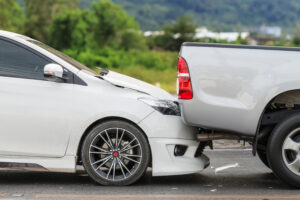 Tampa’s traffic problems continue to worsen as the population grows faster than the roads can accommodate. Studies show that the area is now among the most congested in Florida, with drivers losing many hours each year due to heavy delays.
Congestion affects interstates and major roads across Hillsborough County, especially I-275 through downtown, the I-4 interchange, Dale Mabry Highway, the Veterans Expressway, Kennedy Boulevard, Hillsborough Avenue, Fowler Avenue, and Bruce B. Downs Boulevard.
These packed routes create conditions that often lead to rear-end crashes. Stop-and-go traffic, tight spacing, frustration, and sudden braking leave little room for error, and even a brief distraction can cause a serious collision.
Why Rear-End Collisions Happen in Heavy Traffic
Rear-end collisions occur when one vehicle strikes the back of another vehicle. In most cases, the driver who rear-ends another vehicle bears fault because Florida law requires drivers to maintain a safe following distance and stop safely. However, understanding the specific factors that lead to these crashes in congested Tampa traffic is essential.
Reduced Following Distance
In heavy traffic, drivers often follow far too closely, seeking to prevent other vehicles from cutting in front of them or simply moving with the flow of congested traffic. However, this eliminates the space needed to react and stop safely. When the vehicle ahead brakes suddenly—whether for legitimate reasons or because of chain-reaction braking in traffic—the following driver has no time or space to avoid a collision.
Driver Distraction
Stop-and-go traffic creates a false sense that drivers can safely multitask. When traffic moves slowly or stops completely, drivers reach for their phones, adjust the radio, eat, apply makeup, or engage in countless other distracting activities. When traffic suddenly comes to a stop or starts moving again, distracted drivers often don’t react in time.
Driver Fatigue
Sitting in slow-moving traffic is mentally and physically exhausting. Long commutes through congested roads leave drivers drowsy and less alert. Fatigue slows reaction times and impairs judgment, increasing the likelihood of rear-end accidents.
Frustration and Aggressive Driving
Traffic congestion breeds frustration. Impatient drivers tailgate, make sudden lane changes, accelerate aggressively, and take risks they wouldn’t normally take. This aggressive behavior significantly increases the risk of accidents for everyone nearby.
Impaired Visibility
In congested traffic, larger vehicles such as trucks, SUVs, and buses can obstruct the view of cars behind them. Drivers can’t see what’s happening ahead of the vehicle they’re following, and can’t anticipate when that vehicle will brake.
Sun Glare
Tampa’s location and geography mean that during morning and evening commutes, the sun is often directly in the eyes of drivers. Combine sun glare with congested traffic, and drivers literally cannot see when vehicles ahead are braking.
Weather Conditions
Florida’s frequent rainstorms reduce visibility and make roads slippery, increasing stopping distances. When sudden storms hit during already congested conditions, the risks of rear-end collisions multiply.
Brake Light Failures
In bumper-to-bumper traffic, functional brake lights are critical for warning following drivers. However, if a vehicle’s brake lights aren’t working, drivers behind may not realize the vehicle is stopping until it’s too late.
The Psychology of Congested Traffic
Beyond physical factors, psychological elements of driving in heavy traffic contribute to rear-end collisions:
- Habituation: When drivers sit in traffic day after day, they become habituated to the conditions. They develop a false sense of confidence that they can follow closely, react in time, or multitask safely because they’ve done it many times before without incident. This complacency is dangerous.
- Risk Compensation: Some drivers believe that because traffic is moving slowly, the risk of serious injury in an accident is low. This leads them to take risks they wouldn’t take at highway speeds. However, even low-speed rear-end collisions can cause serious injuries, particularly whiplash and other neck and back injuries.
- Tunnel Vision: In congested traffic, drivers often focus solely on the vehicle immediately in front of them, losing sight of the broader traffic picture. This tunnel vision prevents them from anticipating traffic slowdowns or stops before they happen.
- Emotional State: Traffic congestion is a stressful experience. Stress affects decision-making, increases aggressive tendencies, and impairs the mental processing needed for safe driving. Anxious or angry drivers make more mistakes.
Common Injuries from Rear-End Collisions
Many people assume rear-end crashes in slow traffic cause only mild harm, but even low-speed impacts can lead to serious injuries. Whiplash can strain muscles, ligaments, and discs in the neck, resulting in pain, stiffness, dizziness, and persistent symptoms.
Back injuries such as herniated discs, nerve damage, and muscle strains may require long-term treatment and can limit mobility. Sudden deceleration can also trigger concussions or other brain injuries even without a direct hit, leading to headaches, confusion, and memory changes.
Seatbelts and airbags can cause bruising or chest injuries during an impact. Many victims also face anxiety or stress after the crash. Symptoms often appear hours or days after the initial exposure, so prompt medical care is essential.
Florida Law and Rear-End Collision Liability
Florida law requires drivers to use reasonable care, which includes keeping a safe distance from the vehicle ahead. Florida Statute 316.0895 says drivers must not follow another car more closely than is reasonable based on speed, traffic, and road conditions.
Because of this, the rear driver is usually presumed at fault in most rear-end crashes. Still, rare situations may shift or share blame, such as a sudden reverse, an unnecessary stop, or broken brake lights. Florida uses a shared negligence approach, so your share of the fault reduces your compensation. Insurance companies often try to place blame on you, which is why strong legal help is important.
Why Insurance Companies Fight Rear-End Collision Claims
Even when liability seems clear in a rear-end collision, insurance companies still work hard to limit or deny claims, so knowing their tactics is essential.
Minimizing injuries is one of their first strategies, and adjusters may insist that your injuries are minor, pre-existing, or unrelated to the crash, while pointing to any gap in treatment as proof that you were not seriously hurt. They also make low settlement offers early on, hoping you will accept before learning the full impact of your medical bills, lost income, or long-term recovery needs.
Another common tactic is disputing medical care, where adjusters question the need for emergency treatment, imaging, therapy, or follow-up care to reduce what they pay. Insurance companies further protect their interests by using recorded statements against you, taking words out of context to weaken your rear-end collision claim or shift blame.
On top of this, they often rely on delays, slowing communication, or requesting unnecessary documents to create financial pressure and push you toward an unfair settlement. This is why having a Tampa rear-end collision attorney is so important. They see these tactics every day and know how to protect your case while you focus on healing.
What to Do After a Rear-End Collision in Tampa Traffic
If you’re rear-ended in Tampa traffic, taking the right steps immediately can protect both your health and your legal rights:
Check for Injuries: Assess yourself and passengers for injuries. Call 911 immediately if anyone is hurt, even if injuries seem minor.
Move to Safety If Possible: If vehicles are drivable and it’s safe to do so, move out of traffic to a shoulder, parking lot, or side street. However, if there are serious injuries or major damage, leave vehicles in place and let the police manage traffic.
Call Police: Always call police for rear-end collisions, even if the other driver asks you not to or offers to settle privately. You need an official accident report.
Exchange Information: Obtain the other driver’s name, contact information, license number, insurance details, and vehicle information. Do not discuss fault or apologize.
Document Everything: Photograph all vehicle damage from multiple angles, the accident scene, including traffic conditions, any visible injuries, and anything else relevant. If there are witnesses, get their contact information.
Seek Medical Attention: Go to the emergency room, urgent care, or your doctor within a day or two, even if you feel fine. Many injuries don’t cause immediate symptoms.
Contact an Attorney Before Dealing with Insurance Companies: Before giving recorded statements or signing anything, talk to an experienced Tampa car accident attorney. Insurance companies will try to use your words against you.
Keep Records: Save all medical records, bills, receipts, pay stubs showing lost earnings, and anything else documenting your rear-end collision injuries and losses.
Compensation You May Be Entitled To
 If you suffered an injury in a rear-end collision caused by another driver’s negligence in Tampa traffic, you may be entitled to significant compensation. Economic damages can include all medical expenses, such as emergency care, hospitalization, surgery, medication, physical therapy, and future treatment you may need.
You can also recover lost income for the time you missed at work, lost earning capacity if your injuries limit your ability to work, vehicle repair or replacement costs, rental car expenses, and other out-of-pocket losses connected to the crash.
You may also seek non-economic damages. These cover pain and suffering from your injuries, emotional distress, anxiety, loss of enjoyment of life, disfigurement, scarring, and loss of consortium that affects your relationship with your spouse.
Florida law allows full recovery of both economic and non-economic damages when your injuries meet the serious injury threshold. The value of your claim depends on injury severity, impact on daily life, and the strength of the evidence.
How Boohoff Law Helps Rear-End Collision Victims
At Boohoff Law, we’ve helped many Tampa residents injured in rear-end crashes, and we know these cases can turn life upside down. We examine every detail by reviewing reports, speaking with witnesses, reviewing medical records, and consulting with reconstruction professionals when necessary.
We handle insurers directly and push back when they try to reduce your claim. We also include all losses such as medical costs, future care, lost income, and pain.
We prepare every case for trial, which lets us negotiate from a position of strength. We support you through the stress and work on contingency, so you pay nothing upfront. Florida’s deadlines move quickly, so reaching out early is essential to protect your rights.
You Deserve Justice and Compensation for the Rear-End Collisions
 Being rear-ended in Tampa’s heavy traffic can leave you with painful injuries, rising medical bills, lost income, and serious stress. When another driver causes these losses, you have the right to seek full compensation. Insurance companies often try to limit payouts by delaying claims or questioning injuries, but you do not have to deal with them alone.
At Boohoff Law, we stand up for injured Tampa residents every day. We are familiar with Florida law, understand local processes, and work diligently to protect your claim. Our team stays focused on your recovery while handling the insurance pressure and legal steps that follow a rear-end collision.
If you’ve suffered an injury in a rear-end collision in Tampa, contact Boohoff Law for your free, confidential consultation. You’re better off with Boohoff, and we stand ready to support your next steps.
FAQs About Rear-End Collisions Caused by Tampa Traffic
How does heavy traffic make rear-end collisions more common?
Stop-and-go movement, frustration, and tiny gaps between cars leave little time to react. Even a small delay can lead to a crash.
Why do rear-end accidents still cause serious injuries?
Even low-speed impacts can cause injuries to the neck, back, and head. Many symptoms appear hours or days later, which makes early medical care important.
What should I do right after being rear-ended in Tampa?
Check for injuries, call police, document the scene, and get medical care as soon as possible. These steps protect both your health and your claim.
Who is usually at fault in a rear-end collision?
The trailing driver is typically responsible because Florida law requires a safe following distance. There are rare exceptions, but they’re uncommon.

Free Consultation
We Are Here For You 24/7
Reviews

– Elissa M.
“Really pleased with Boohoff Law! Received immediate responses when I had any questions. Treated amazingly by all staff … made this process a true breeze!”
– Caitlyn M.
– Brandy K.
Related Posts
Who Is Liable for a Trailer Detachment Accident in Washington?
Who’s Liable in a Lumber Truck Accident Near Olympia, WA?
What to Do When Your Total Loss Offer Is Too Low in Olympia, WA
Recovery is personal.
We’re here for you.
We’re close by. And if you can’t make it to us, we’ll meet you where you need us, at home or in the hospital.











© 2025 Boohoff Law, P.A. — Auto Accident Lawyers.
The information on this website is for general information purposes only. Nothing on this site should be taken as legal advice for any individual case or situation. This information is not intended to create, and receipt or viewing does not constitute, an attorney-client relationship.
Disclaimer: The results and testimonials presented on this website are based on the unique facts and circumstances of each case. Past results do not guarantee or predict similar outcomes in future cases. Every legal matter is different, and you should not rely on prior case results as an expectation of future performance.
