No Fees
Unless We Win
Millions Recovered!

Seattle Bicycle Accident Lawyer
People usually type “bicycle accident attorney near me” into a phone from a hospital hallway, with a bent wheel still sitting on the curb somewhere. Boohoff Law takes those calls in Seattle, reviews the claim for free, and works on a contingency fee.
A bicycle accident attorney near you can also answer the question most riders get wrong in the first week: which insurance pays for your treatment right now.
The answer is often your own auto policy, even though you were not in a car.
Available 24/7
Our specialists are here to listen and help for free, no strings attached.
877-999-9999
for a free consultation
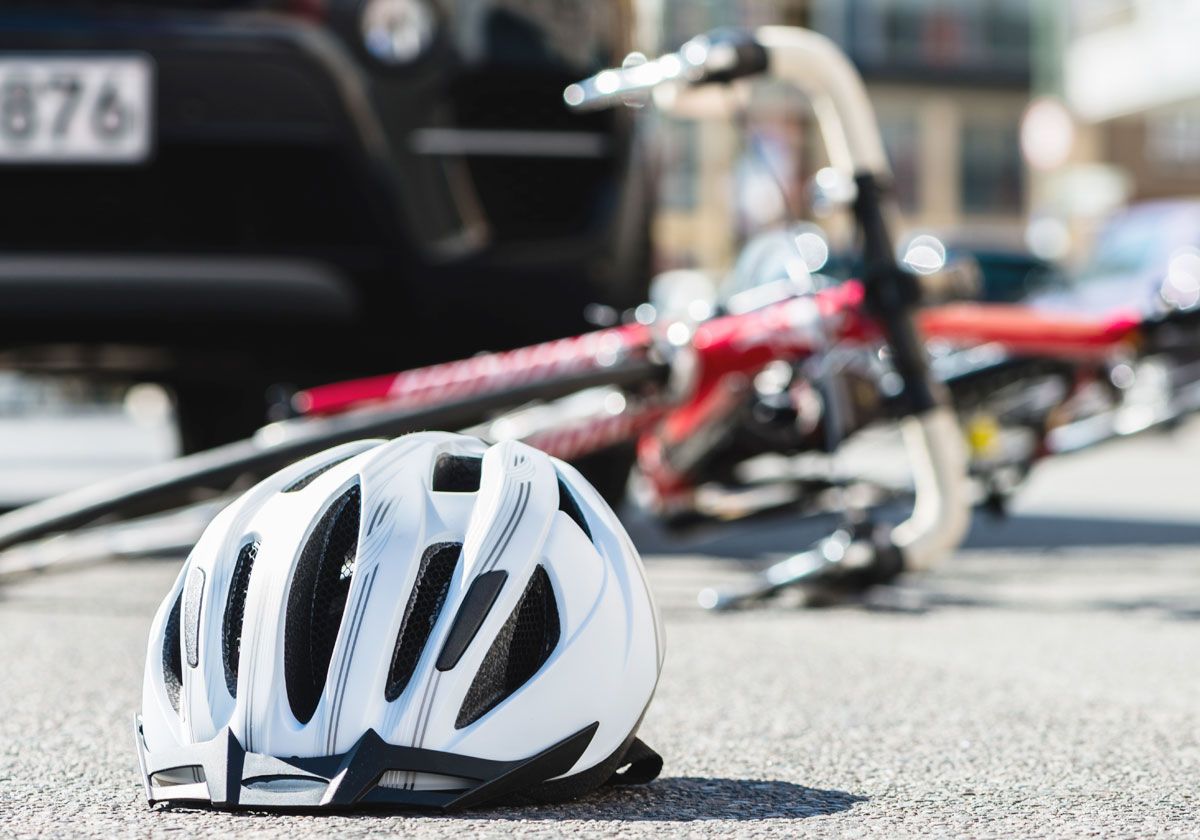
Which Insurance Pays When a Driver Hits a Cyclist?
Three policies can be in play, and they pay in a different order than most riders expect.
The at-fault driver’s liability insurance pays at the end, in a lump sum, after fault and damages are settled. That can be a year away, which does nothing for the bills arriving now.
Your own Personal Injury Protection, the medical coverage on your car insurance, usually pays right away. PIP follows the person, not the vehicle, so it typically covers you while you are riding a bicycle or walking. Washington insurers have to offer it unless you rejected it in writing under RCW 48.22.085.
Your uninsured and underinsured motorist coverage, or UM/UIM, is the third. It matters more in bike cases than in car cases, because the driver who hits a cyclist and leaves is never identified, and a driver carrying state-minimum limits rarely has enough to cover a broken pelvis.
A household member’s policy can sometimes apply too. That is worth checking before anyone concludes there is no coverage.
Can You Still Recover If You Were Partly at Fault?
Yes. Washington’s comparative negligence law allows recovery reduced by your share of fault, with no cutoff. A rider found 40 percent responsible still collects 60 percent of the damages, under RCW 4.22.005.
This is why insurers work so hard to move blame onto cyclists. Every percentage point is money off the claim, and the rider is usually not there to argue when the adjuster writes the first summary.
Riding Without a Helmet Is Not a Violation Here
It should not decide it. Washington has no statewide bicycle helmet law, and King County repealed its all-ages helmet requirement in 2022, so riding without one in Seattle is not a violation.
Insurers raise it anyway, especially in head injury claims. The response is medical, not moral: whether a helmet would have changed this specific injury, in this specific impact, is a question for a doctor and sometimes a biomechanical engineer.
Do Cyclists Have the Same Road Rights as Drivers?
Yes, and the same duties. RCW 46.61.755 gives every person riding a bicycle on a roadway “all of the rights” and “all of the duties applicable to the driver of a vehicle.”
That cuts both ways in a claim. It means a driver who turns across your path violated your right of way the same as if you had been in a car. It also means the insurer will look at whether you stopped for the light, signaled the turn, and rode with traffic.
Riding in the middle of a lane is legal when the lane is too narrow to share safely, which surprises adjusters and sometimes police officers.
Send us the police report and photos. We will tell you how fault is likely to be argued.
Washington’s Vulnerable Road User Law, and What It Adds
It raises the stakes for the driver. Washington’s negligent driving law for vulnerable road users covers people on bikes, on foot, on scooters, on motorcycles, and anyone else without a vehicle around them.
A driver whose ordinary carelessness seriously injures a vulnerable road user faces a $5,000 fine, a 90-day license suspension, community service, and traffic school. Where the crash is fatal, the penalty can reach a year in jail. The Washington Traffic Safety Commission explains how the two degrees of the offense work.
For your civil claim, the value is evidentiary. A citation under that law is an official finding that the driver failed to use ordinary care, which is the same failure your injury claim has to prove.
The Seattle Bike Crashes That Get Disputed Most
 The ones where the driver never saw the rider, because then the only two accounts of the crash are yours and someone else’s guess.
Right hooks lead the list. A driver passes a cyclist, then turns right across the bike lane at the next block. Downtown and along Second Avenue, these happen at low speeds and produce serious injuries anyway.
Left crosses are the mirror image: an oncoming driver turns left across a rider going straight, usually with a “the sun was in my eyes” explanation attached.
Dooring claims turn on whether the parked driver looked before opening into the lane. Along Dexter Avenue and through Pioneer Square, door-zone collisions often throw a rider into moving traffic, which creates a second impact and sometimes a second defendant.
Then there are the crashes with no other vehicle at all. Streetcar tracks that grab a wheel, a pavement edge that has broken away, a construction plate that shifts, a trail crossing where the sightline is blocked by vegetation. Those become claims against a city, county, or contractor, and they run on a shorter deadline that requires a formal tort claim filing before any lawsuit.
If you want the geography of it, our page on where bike accidents happen in Seattle breaks down the corridors these keep repeating on.
Evidence That Decides a Bicycle Claim
Whatever proves position, because position decides fault. Where you were in the lane, where the driver’s vehicle was, and how much room existed between you.
Ride camera or helmet camera footage is the strongest evidence there is, and more Seattle riders have it than they realize. If you have it, back it up before anything else.
After that: the damaged bicycle itself, unrepaired, since the contact points and bend patterns tell a reconstructionist what happened. Your cycling computer or phone’s GPS track, which records speed and route. Business and intersection cameras, which are usually overwritten within days unless someone requests them.
We send those requests early, before the footage is gone and before the driver’s story hardens into a written statement.
At the Scene of a Bike Crash
Stay put and call 911, even when you can stand up and the driver is apologizing. Police response creates the report that every insurer will ask for, and riders who agree to “handle it between us” at the curb routinely end up with a driver who stops answering the phone by Thursday.
Get the driver’s license, insurance card, plate, and phone number, and photograph all of it rather than writing it down. Photograph the vehicle’s position, your bike where it landed, the lane markings, and any damage to the car, including where your body made contact.
Ask witnesses for a name and number before they leave. In bike cases, a neutral witness who saw the turn is often worth more than everything else combined, and police reports frequently list none at all.
Get checked out the same day. Emergency departments document mechanism of injury, and that document ties your symptoms to the crash in a way a visit three weeks later cannot.
Do not throw out your helmet, your damaged gear, or your bike, and do not get the bike repaired yet. All of it is evidence of force and direction.
Common Injuries in Seattle Bike Collisions
Collarbone and shoulder fractures lead the list, because a rider thrown from a bike usually lands on an outstretched arm or a shoulder. Wrist and forearm fractures follow for the same reason.
Head injuries are the ones that worry us most, including concussions that get missed at the scene because the rider was talking normally. Symptoms that show up later, headaches, light sensitivity, trouble concentrating, irritability, belong in a medical record, not in a text to a friend.
Road rash sounds minor and is not. Deep abrasions often require debridement, carry real infection risk, and leave permanent scarring, which is compensable.
Knee, hip, and pelvic injuries come from direct contact with the vehicle, and spinal injuries from the landing. Many riders also end up with lasting anxiety about riding in traffic, which is a genuine loss for someone whose commute and social life were built around a bike.
Who Is Responsible When the Hazard Was the Road Itself?
Sometimes a government agency, sometimes a contractor, and the answer depends on who controlled that stretch of pavement.
Claims involving a pothole, a sunken utility cover, a missing grate, an unmarked construction plate, or a trail crossing with a blocked sightline generally run against the city, county, or state.
Those follow a different path from an ordinary injury claim. A formal tort claim has to be presented to the agency before a lawsuit, and the timeline is much shorter than the three-year deadline that applies to crashes with other drivers.
These cases turn on notice, the same as a property claim. Was the hazard reported before you hit it, how long had it been there, and what did the maintenance records show. Service request histories are public records, and they frequently show the same defect reported repeatedly by other riders.
When a private contractor created the hazard during construction, they carry their own insurance, and the claim may proceed against both. Identifying which is which takes some digging, and it needs to happen before the repair crew erases the evidence.
What Is a Seattle Bicycle Accident Claim Worth?
It depends on the injuries and on how completely you recover, not on what the bike cost. Cyclist injuries skew toward fractures, shoulder and collarbone damage, road rash requiring debridement, and head injuries, and those come with long treatment arcs.
Claim value should account for surgery you have not had yet, therapy you still need, work you cannot do, and the parts of your life that changed. If you rode every day and now cannot, that is a real loss, and it belongs in the claim.
One practical warning we give every client: gaps in treatment cost money. If the pain is not documented in your medical records, the insurance company acts as though it never existed. Keep the appointments, and describe every symptom, not just the loudest one.
Boohoff Law has recovered $1,250,000 for a pedestrian struck near a marked crosswalk in Washington, which involved the same fight over right of way that bike claims produce. Past results do not guarantee or predict similar outcomes in future cases.
What If the Driver Was Working, Delivering, or Driving for an App?
Then there is usually a second policy, and it is usually larger than the driver’s own.
Delivery drivers, contractors in work vans, and drivers of company vehicles bring their employer’s commercial coverage into the claim, along with the employer’s own responsibility for hiring, training, and scheduling. A driver making tight delivery windows in a dense neighborhood is a company decision as much as a personal one.
App-based drivers sit in a tier system. Rideshare and delivery platforms carry different limits depending on whether the app was off, on and waiting, or mid-trip, and the difference between those tiers is substantial. Establishing which applied at the moment you were struck requires the trip data, which comes from the company rather than the driver.
Commercial vehicles also tend to carry telematics that record speed and braking, and those records answer questions about attention and following distance that no witness can.
None of that surfaces on its own. It surfaces when someone asks for it in writing, early.
Can You Claim Lost Income If Your Bike Was How You Worked?
Yes, and the claim should reflect how you actually earn.
Couriers, delivery riders, and anyone whose income depends on being physically able to ride can claim lost earnings during recovery, and reduced earning capacity if the injury leaves lasting limits. Earnings records, platform statements, and tax returns establish the number.
People who ride recreationally have a different but real loss. Washington allows compensation for loss of enjoyment of life, and for someone whose weekends, fitness, and social circle were built around riding, losing that is not a footnote to the claim.
Commuters can also claim the added cost of getting to work without a bike, including transit fares, rideshare trips, or parking, for the period they were unable to ride.
How We Handle Seattle Bicycle Claims

We open the PIP claim so your treatment is covered while the liability claim develops. We request the collision report, the driver’s insurance information, and any video. We deal with the adjusters, including your own, so a routine call does not turn into a recorded statement that gets used against you.
Then we let the medicine catch up. Settling before your doctors know whether the shoulder needs surgery is the most common way riders lose money on an otherwise strong claim.
Our Seattle office is at 920 5th Avenue, Suite 1530, downtown. We handle claims in English and Spanish, and if you are not moving well enough to come to us, we will meet you at home or at the hospital.
Recovery is personal. Tell us what happened and we will take the insurance calls from here.
Seattle Bicycle Accident Questions We Get
Yes. The bicycle, helmet, shoes, computer, lights, and clothing damaged in the crash are property damage and belong in the claim, along with any phone or laptop you were carrying. Replace-cost documentation helps, so keep receipts and model numbers, and do not throw the damaged equipment away before it has been photographed.
Possibly, through your own uninsured motorist coverage, which is built for exactly this. Report the collision to police as soon as you can and give them everything you remember, including partial plates, vehicle color, and direction of travel. Witnesses who stayed at the scene become critical, so their contact information is worth more than photographs here.
Yes, in two ways. The deadline to file is generally paused until a minor turns 18, which gives families more time, and any settlement for a child may need court approval before it can be finalized. Children are also held to a different standard of care than adults, which affects how fault gets divided.
There is no auto insurance behind that collision, so the claim usually looks to the other rider’s homeowners or renters policy, if one exists. Rental scooter companies add their own layer, including user agreements and app data showing speed and location. These claims are harder, but they are not automatically dead.
No. Officers often decline to cite anyone when they did not witness the collision and the accounts conflict. A civil injury claim is decided by different evidence and a lower standard of proof than a traffic infraction, and plenty of successful claims involve drivers who drove away without a ticket.
Usually not in a way that hurts you. Washington regulates electric bicycles in classes, and lower-class e-bikes are treated much like conventional bicycles on most streets and many trails.
Insurers sometimes argue that motor assistance made a rider faster or less predictable, which is a fact question rather than a rule. Keep the bike unrepaired and preserve any ride data the bike or your phone recorded, since speed is usually the point in dispute.
Talk to Someone Who Rides These Streets

Bike claims get undervalued when they are handled like fender benders. The insurer sees a bicycle and a rider without a police citation, and starts from a position that assumes you did something wrong.
We start from the evidence instead. Send us the report, the photos, and any video, and we will tell you what your claim looks like and whether you need a lawyer to handle it.
If you were struck by a Metro bus or a shuttle, the claim runs through a public agency and a shorter deadline, and our Seattle bus accident lawyer page explains how those are different.
Request a free consultation online today.

Recovery is personal.

We’re here for you.
We’re close by. And if you can’t make it to us, we’ll meet you where you need us, at home or in the hospital.












© 2025 Boohoff Law, P.A. — Auto Accident Lawyers.
The information on this website is for general information purposes only. Nothing on this site should be taken as legal advice for any individual case or situation. This information is not intended to create, and receipt or viewing does not constitute, an attorney-client relationship.
Disclaimer: The results and testimonials presented on this website are based on the unique facts and circumstances of each case. Past results do not guarantee or predict similar outcomes in future cases. Every legal matter is different, and you should not rely on prior case results as an expectation of future performance.
