Trailer detachment accidents are among the most dangerous types of commercial truck crashes. When a trailer separates from a tractor on a highway, it can become an uncontrolled hazard—striking vehicles, blocking lanes, or triggering multi-car collisions. These incidents are often sudden and catastrophic, leaving victims with serious injuries and complex legal questions.
One of the most important questions after this type of crash is: who is responsible?
In Washington, liability for a trailer detachment accident is rarely straightforward. These cases often involve multiple parties, layered regulations, and detailed investigations into what went wrong before the truck ever hit the road.
Why Trailer Detachment Accidents Happen
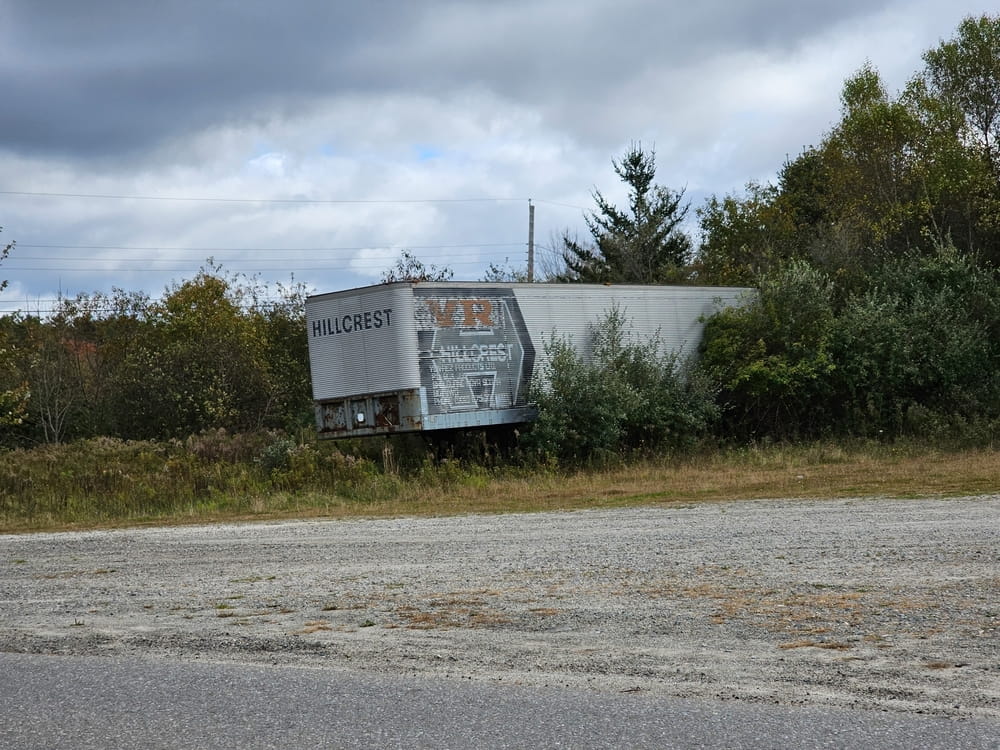
To understand liability, it helps to first understand how these accidents occur.
A commercial truck’s trailer is connected to the tractor through a coupling system—typically a fifth wheel hitch and locking mechanism. When functioning properly, this system securely holds the trailer in place under normal driving conditions, including braking, turning, and changes in speed.
However, when something goes wrong, the consequences can be immediate and severe.
Common Causes of Trailer Detachment
Most trailer detachment accidents can be traced back to preventable issues, including:
- Improper coupling during loading or dispatch
- Failure to fully engage locking jaws
- Worn or damaged fifth wheel components
- Lack of inspection before driving
- Poor maintenance or missed repairs
- Improper trailer height alignment during hookup
- Overloaded or unevenly distributed cargo
Even minor oversights—like debris in the coupling mechanism or insufficient lubrication—can interfere with proper connection. Over time, repeated use of worn equipment can weaken critical parts, increasing the risk of failure during normal operation.
Because these accidents are often preventable, liability frequently centers on negligence—whether someone failed to follow required safety procedures.
Who Can Be Liable for a Trailer Detachment Accident?
In Washington, multiple parties may be legally responsible for a trailer detachment accident depending on their role in the trucking operation.
1. Truck Driver
Truck drivers are the first line of defense against coupling failures.
They are responsible for:
- Properly connecting the trailer
- Ensuring locking mechanisms are fully engaged
- Performing required pre-trip inspections
- Verifying trailer alignment and stability
Federal regulations require drivers to confirm that their vehicles are in safe operating condition before driving. If a driver skips these checks or improperly secures the trailer, they may be directly liable for the accident.
2. Trucking Company
Trucking companies can also bear significant responsibility.
They may be liable if they:
- Fail to properly train drivers on coupling procedures
- Encourage unsafe schedules that lead to rushed inspections
- Neglect routine maintenance
- Allow unsafe vehicles to remain in service
In many cases, trucking companies are responsible not only for their own actions but also for the conduct of their drivers. Internal policies, safety records, and maintenance logs often play a key role in determining fault.
3. Maintenance Providers
Third-party maintenance companies are often hired to inspect and repair commercial vehicles.
They may be liable if:
- Repairs are performed incorrectly
- Inspections miss obvious defects
- Faulty or incompatible parts are used
A missed defect in a coupling system can have serious consequences. If a maintenance provider failed to identify or fix a known issue, they may share responsibility for the resulting accident.
4. Equipment Manufacturers
Sometimes, the failure is not due to human error but a defective product.
Manufacturers may be liable if:
- The coupling device has a design flaw
- A component fails due to a manufacturing defect
- There are inadequate warnings about proper use or maintenance
These cases may fall under product liability law, which allows injured parties to pursue claims against manufacturers when defective equipment contributes to an accident.
5. Cargo Loaders
Cargo loading companies can also play a role in trailer detachment accidents.
They may be responsible if:
- Cargo is improperly distributed
- The trailer becomes unbalanced
- Excessive strain is placed on the coupling system
Improper weight distribution can destabilize the connection between the tractor and trailer, increasing the likelihood of separation—especially during turns or sudden braking.
How Washington Law Determines Liability
Washington follows a pure comparative fault system under RCW 4.22.005.
This means:
- Multiple parties can share responsibility
- Each party is assigned a percentage of fault
- Compensation is reduced based on the injured person’s share of fault
For example, if a victim is found to be 10% at fault, their total recovery would be reduced by 10%.
This system makes it especially important to identify all liable parties, not just one. The more complete the investigation, the better the chances of recovering full compensation.
What Federal Regulations Apply to Coupling Safety?
In addition to Washington law, trucking companies and drivers must follow federal safety regulations.
Key rules include:
- 49 C.F.R. § 392.7 – Drivers must ensure vehicles are in safe condition
- 49 C.F.R. § 396.13 – Requires pre-trip inspections
- 49 C.F.R. § 393.70 – Governs coupling devices and towing methods
Violations of these regulations can serve as strong evidence of negligence. If a driver or company failed to follow required safety standards, it may help establish liability in a claim.
What Evidence Is Used to Prove Liability?
Determining fault in a trailer detachment accident requires detailed evidence.
Common Types of Evidence Include:
- Driver inspection logs
- Maintenance and repair records
- Electronic logging device (ELD) data
- Black box (event data recorder) information
- Accident scene photos and videos
- Witness statements
Additional documentation—such as dispatch records, driver training history, and prior safety violations—can also help build a case.
In some situations, experts may examine the coupling device itself to identify signs of wear, improper use, or mechanical failure.
This evidence helps reconstruct:
- How the detachment occurred
- Whether safety procedures were followed
- Which parties contributed to the failure
Why Trailer Detachment Cases Are Complex
Unlike standard car accidents, trailer detachment cases often involve:
- Multiple defendants
- Overlapping responsibilities
- Technical mechanical issues
- Federal and state regulations
For example, a single accident could involve:
- A driver who failed to inspect the coupling
- A company that skipped maintenance
- A manufacturer that produced a defective part
Each party may attempt to shift blame to others, making these cases more complex than typical personal injury claims.
Injuries Common in Trailer Detachment Accidents
When a trailer separates from a truck, the resulting crashes are often severe.
Victims may suffer:
- Traumatic brain injuries (TBI)
- Spinal cord injuries
- Broken bones
- Internal organ damage
- Burns and lacerations
These injuries frequently require long-term medical care, rehabilitation, and ongoing treatment. In many cases, victims are unable to return to work or maintain their previous quality of life.
What Compensation May Be Available?
Victims of trailer detachment accidents in Washington may be able to recover compensation for:
- Medical expenses (current and future)
- Lost income and reduced earning capacity
- Pain and suffering
- Emotional distress
- Property damage
Washington generally allows three years to file a personal injury claim under RCW 4.16.080. Missing this deadline can prevent recovery, making timely action important.
What to Do After a Trailer Detachment Accident
The steps you take after an accident can impact your ability to recover compensation.
Important Steps Include:
- Seek medical attention immediately
- Report the accident to law enforcement
- Document the scene if it is safe to do so
- Avoid giving statements to insurance companies without preparation
- Preserve any evidence related to the crash
Even if injuries seem minor, medical records can help establish a connection between the accident and your condition.
How Insurance Companies Handle These Claims
Insurance companies representing trucking companies often act quickly to limit their financial exposure.
They may:
- Dispute liability
- Minimize injuries
- Request recorded statements
- Offer low initial settlements
Because Washington uses a comparative fault system, insurers may also try to assign partial blame to reduce payouts.
Early settlement offers often do not account for long-term medical needs or lost earning capacity. Careful evaluation is important before accepting any offer.
Why Identifying All Liable Parties Matters
In a trailer detachment case, identifying every responsible party is critical.
Because fault can be divided among multiple contributors, holding all parties accountable can:
- Increase total compensation
- Strengthen the overall claim
- Provide a clearer picture of what caused the accident
A thorough investigation—often involving legal and industry professionals—can help uncover evidence and establish liability across all involved parties.
How Can a Truck Accident Lawyer Help?
Trailer detachment accidents are rarely straightforward. They often involve multiple contributing factors—ranging from driver error to equipment failure—and determining what actually caused the crash can take a deeper investigation than most people expect.
A truck accident lawyer can help piece together what happened by reviewing maintenance records, inspection logs, and other critical evidence. This process can clarify who may be responsible and how Washington’s comparative fault laws might apply to your situation.
If you are dealing with injuries or uncertainty after a crash, having guidance early on can make it easier to understand your options and decide what steps to take next.
If you have questions about your case, contacting Boohoff Law can help you better understand your rights and what compensation may be available.

Free Consultation
We Are Here For You 24/7
Reviews

– Elissa M.
“Really pleased with Boohoff Law! Received immediate responses when I had any questions. Treated amazingly by all staff … made this process a true breeze!”
– Caitlyn M.
– Brandy K.
Related Posts
Who Is Liable for a Trailer Detachment Accident in Washington?
Who’s Liable in a Lumber Truck Accident Near Olympia, WA?
What to Do When Your Total Loss Offer Is Too Low in Olympia, WA
Recovery is personal.
We’re here for you.
We’re close by. And if you can’t make it to us, we’ll meet you where you need us, at home or in the hospital.







© 2025 Boohoff Law, P.A. — Auto Accident Lawyers.
The information on this website is for general information purposes only. Nothing on this site should be taken as legal advice for any individual case or situation. This information is not intended to create, and receipt or viewing does not constitute, an attorney-client relationship.
Disclaimer: The results and testimonials presented on this website are based on the unique facts and circumstances of each case. Past results do not guarantee or predict similar outcomes in future cases. Every legal matter is different, and you should not rely on prior case results as an expectation of future performance.
