
Spokane Truck Accident Lawyer

The first 48 hours after a commercial truck accident in Spokane may determine whether the evidence needed to prove your case survives or disappears. If you need a Spokane truck accident lawyer, the clock starts at the moment of the crash, not when you feel ready to call an attorney.
Trucking companies dispatch accident response teams immediately. Their purpose is to protect the carrier, to document the scene on their terms, preserve evidence that helps their case, and limit access to evidence that helps yours. Electronic data, driver logs, and maintenance records have retention windows that close quickly without a legal preservation demand.
At Boohoff Law, we handle truck accident cases across the Spokane area. Call us before another day passes: (877) 999-9999
Spokane Truck Accident Guide
- Why Do Spokane Truck Accident Cases Require Immediate Legal Action?
- What Makes I-90 and US-395 So Dangerous for Commercial Truck Crashes in Spokane?
- What Washington Regulations Govern Commercial Trucks Beyond Federal Law?
- Who Can Be Held Liable in a Spokane Truck Accident?
- How Does Washington’s At-Fault System Apply to Spokane Truck Accident Claims?
- What Compensation Is Available After a Spokane Truck Accident?
- How Boohoff Law Handles Spokane Truck Accident Cases
- Frequently Asked Questions: Spokane Truck Accident Claims
- Talk to a Spokane Truck Accident Lawyer at Boohoff Law
Why Do Spokane Truck Accident Cases Require Immediate Legal Action?
A Spokane truck accident generates evidence that exists nowhere else and disappears faster than in any other type of injury case. Acting immediately is not a legal formality, it is the difference between a provable case and one built on incomplete records.
What Evidence Disappears First in a Spokane Truck Accident Case?
ELD data, dashcam footage, and event data recorder information are the first evidence to disappear, often within 24 to 72 hours without a preservation demand. The truck’s electronic logging device, known as an ELD, records the driver’s hours of service, location, and driving patterns in the period before the crash.
Federal regulations require carriers to retain this data, but retention windows are limited and data can be overwritten in active vehicles.
The truck’s event data recorder, similar to an aircraft black box, captures speed, braking force, and steering inputs in the seconds before impact. Dashcam footage from the truck itself or from commercial properties along I-90 and US-395 is typically overwritten within 24 to 72 hours unless preserved by formal request. Witness contact information and physical crash scene evidence begin to degrade immediately.
What Is a Preservation Demand and How Does It Work?
A preservation demand is a formal legal letter sent to the trucking company requiring them to retain all records, data, and physical evidence related to the crash. Once received, a carrier that destroys or allows the overwriting of relevant evidence may face serious legal consequences — a concept known as spoliation, meaning the deliberate or negligent destruction of evidence that a party was obligated to preserve.
Boohoff Law sends preservation demands immediately upon being retained in truck accident cases. That step alone can determine whether a case has the evidentiary foundation it needs.
Call us now to protect your evidence: (877) 999-9999


Find out what your case is worth.
Your insurance company may not be telling you everything. Know what you’re entitled to with a free consultation. Rest assured that we will never charge any fees unless we win.

What Makes I-90 and US-395 So Dangerous for Commercial Truck Crashes in Spokane?
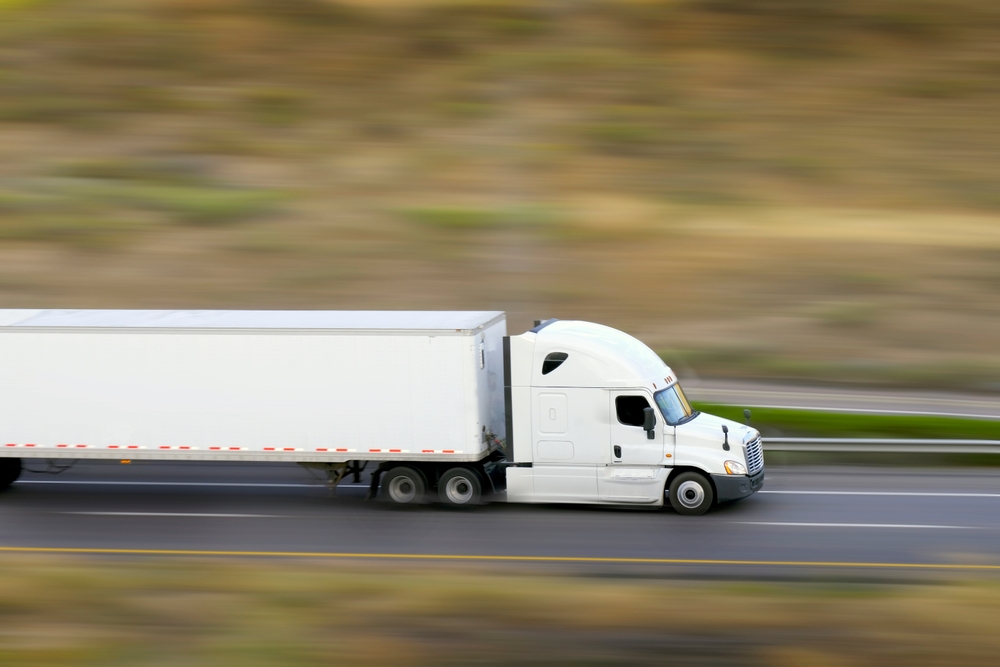
I-90 and US-395 are Eastern Washington’s highest-volume truck corridors, and their grade changes, interchange complexity, and winter conditions make them the most common sites for serious commercial truck crashes near Spokane. According to the Washington State Department of Transportation, commercial vehicles on these corridors are subject to weight and size restrictions that reflect the operational demands these roads impose.
Why Is the I-90 Corridor Through Spokane a High-Risk Zone for Trucks?
The I-90/US-395 interchange near downtown Spokane, where multiple lanes merge at highway speed under heavy truck traffic, is the highest-conflict truck crash zone in the Spokane area. I-90 connects Spokane to Idaho and to Seattle via the Cascades, carrying both local commercial deliveries and long-haul interstate freight at volumes that make it one of the busiest truck routes in Washington State. Winter conditions on I-90 east of Spokane, including ice on the Fourth of July Pass section, are a recurring factor in serious crashes.
What Makes US-395 Particularly Dangerous for Commercial Vehicles?
Speed transitions between urban and rural sections, combined with frequent side-road intersections where smaller vehicles cross the path of northbound and southbound truck traffic, make US-395 one of the most dangerous corridors for commercial vehicle crashes near Spokane.
US-395 is the primary freight corridor connecting Eastern Washington to the Canadian border to the north and to the Tri-Cities beyond to the south, carrying agricultural freight, construction materials, and retail distribution trucks throughout the day and night.
How Do Harvest Season Agricultural Trucks Create Unique Crash Risks Near Spokane?
Overloaded grain trucks operating during the August-October harvest season on SR-195 and rural county roads near Spokane create crash conditions that differ significantly from standard highway trucking. Eastern Washington’s wheat, barley, and lentil harvests generate concentrated heavy vehicle traffic on routes that mix farm equipment, grain trucks, and regular passenger vehicles.
These vehicles sometimes operate under different regulatory standards than interstate commercial trucks, and crashes involving them raise liability questions that require an attorney familiar with both FMCSA and Washington’s agricultural vehicle exceptions.
Injured in a truck crash on any of these corridors? Call Boohoff Law: (877) 999-9999
What Washington Regulations Govern Commercial Trucks Beyond Federal Law?

Beyond FMCSA federal regulations, Washington imposes its own commercial vehicle standards through two state agencies: the Washington Utilities and Transportation Commission and WSDOT Motor Carrier Services. Violations of Washington’s own standards create additional grounds for liability that apply separately from, and in addition to, any federal regulatory violations.
What Does the Washington Utilities and Transportation Commission Regulate?
The Washington Utilities and Transportation Commission, known as the UTC, regulates intrastate commercial carriers, trucking companies that operate entirely within Washington’s borders without crossing state lines. UTC certification requirements, safety standards, and operating rules apply to these carriers independently of FMCSA.
When a crash involves an intrastate carrier operating under UTC authority, violations of UTC regulations become additional grounds for liability separate from any federal standard.
How Does WSDOT’s Motor Carrier Services Enforce Commercial Vehicle Standards?
Washington State’s commercial vehicle enforcement program, operated through WSDOT Motor Carrier Services, conducts roadside inspections, weight station enforcement, and safety audits of commercial vehicles on Washington roads.
Weigh stations on I-90 near the Idaho border are part of this system. When a truck that recently passed inspection subsequently causes a crash due to a mechanical failure, the inspection records and the carrier’s maintenance history become central evidence. When a truck bypassed required weigh station stops, that violation is relevant to the claim.
Questions about which regulations apply to your crash? Call Boohoff Law: (877) 999-9999
Who Can Be Held Liable in a Spokane Truck Accident?
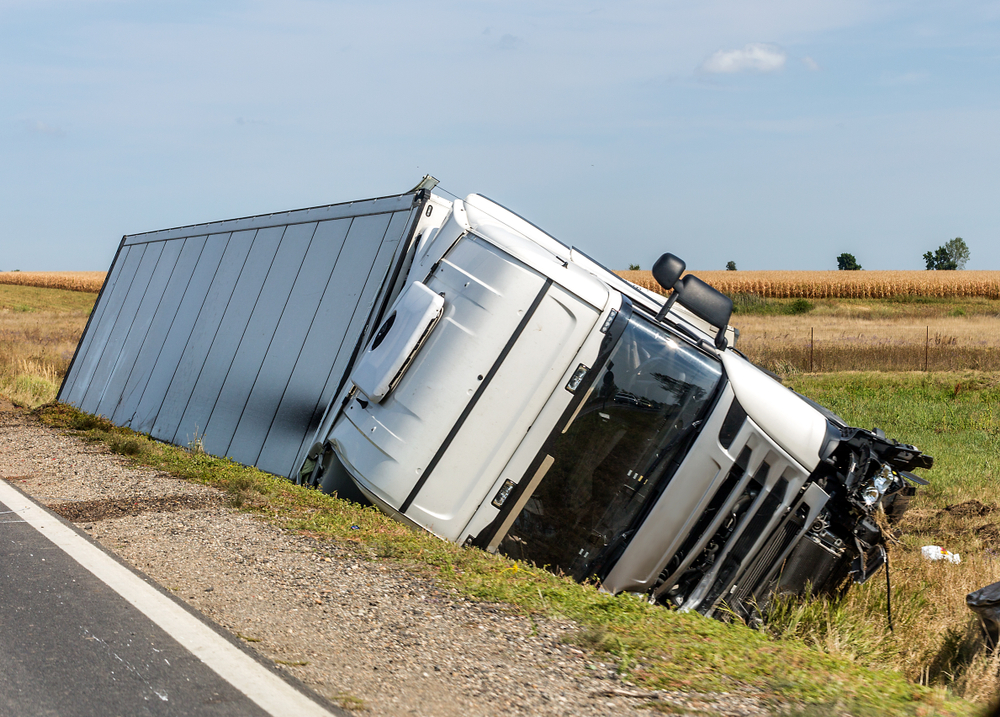
Spokane truck accident cases frequently involve more than one responsible party. Identifying every liable party, and pursuing each one, is essential to recovering full compensation for serious injuries.
Is the Truck Driver Personally Liable?
The driver who operated the truck bears personal responsibility for their conduct behind the wheel. Driver fatigue, distraction, impairment, speeding, and traffic violations are common contributing factors. Commercial drivers in Washington are required to hold a valid commercial driver’s license, known as a CDL, and to comply with both federal and state regulations.
When a driver violates those rules and causes a crash, that violation supports a negligence claim against them directly.
When Is the Trucking Company Liable for a Spokane Crash?
The carrier that employs or contracts the driver bears responsibility for its own independent obligations: screening drivers appropriately, enforcing hours-of-service limits, maintaining vehicles in safe operating condition, and complying with both FMCSA and Washington UTC requirements where applicable.
When a carrier fails in any of these duties, it faces liability separate from and in addition to the driver’s personal liability.
Can Other Parties Share Responsibility?
Yes. Depending on the facts of the crash, liability may extend to the company that loaded or secured the cargo, if shifting or improperly secured freight contributed to the crash, to the manufacturer of a defective truck component, or to a third-party maintenance company that performed recent service and failed to identify a safety defect.
An attorney investigates all potential defendants, not just the most visible one.
Questions about who is responsible for your crash? Call us: (877) 999-9999
How Does Washington’s At-Fault System Apply to Spokane Truck Accident Claims?
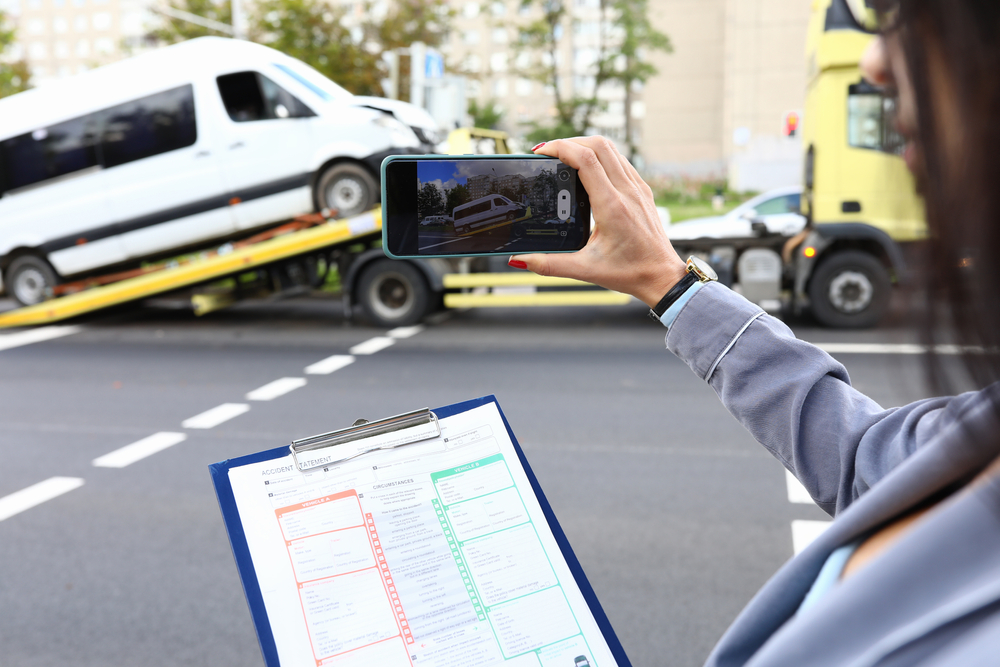
Washington’s personal injury system requires injured people to establish that another party’s negligence caused their damages. In truck accident cases, that means proving that the driver, the carrier, or another responsible party failed to meet the applicable standard of care, and that the failure caused the crash and the resulting injuries.
Does Washington Allow Punitive Damages in Truck Accident Cases?
Generally, no. Unlike some states where egregious conduct by a trucking company can support an award of punitive damages, compensation designed to punish beyond the injured person’s actual losses, Washington courts typically do not award punitive damages in personal injury cases.
Compensation in a Washington truck accident claim is focused on making the injured person whole. This is one of the meaningful legal differences between pursuing a truck accident claim in Washington versus in states like Florida.
How Does Washington’s Pure Comparative Negligence Rule Apply?
Washington follows a pure comparative negligence rule. If an insurance company argues that you contributed to the crash, for example, that you were following too closely, your recovery is reduced by your percentage of fault, but you are not barred from recovering.
Even a claimant found 50% at fault recovers 50% of their damages. An attorney challenges overstatements of the injured person’s fault with crash evidence and applicable legal standards.
What Is Washington’s Deadline to File a Truck Accident Lawsuit?
Under RCW 4.16.080, Washington’s statute of limitations is three years from the date of the crash for personal injury claims. For wrongful death claims arising from a fatal truck accident, the three-year period runs from the date of death.
If a government entity bears responsibility, for example, if a road defect on a WSDOT-maintained highway contributed to the crash, a formal notice of claim must be filed within a much shorter window. An attorney identifies every applicable deadline at the outset of the case.
Ready to understand your legal options? Call Boohoff Law: (877) 999-9999
What Compensation Is Available After a Spokane Truck Accident?
The scale of compensation in serious truck accident cases reflects the scale of the injuries. These are not minor collision claims.
What Economic Damages Can a Spokane Truck Accident Victim Recover?
Economic damages cover every financial loss the crash causes: emergency and ongoing medical care, surgery, hospitalization, physical and occupational therapy, future medical treatment for permanent injuries, lost wages during recovery, and the long-term reduction in earning capacity if injuries affect the victim’s ability to work. In catastrophic injury cases, spinal cord damage, traumatic brain injury, amputation, projected lifetime care costs can reach into the millions. Property damage, out-of-pocket expenses, and the cost of home or vehicle modifications that permanent injuries require are also recoverable.
What Non-Economic Damages Are Available in Washington Truck Cases?
Washington law allows truck accident victims to pursue compensation for physical pain and suffering, emotional distress, permanent disability, disfigurement, and the loss of the ability to participate in activities the victim valued before the crash. Washington does not cap non-economic damages in most personal injury cases. In serious injury cases, non-economic damages can represent a significant portion of total compensation.
Ready to understand the full value of your Spokane truck accident claim? Call Boohoff Law: (877) 999-9999
How Boohoff Law Handles Spokane Truck Accident Cases

We act immediately. When Boohoff Law is retained in a Spokane truck accident case, we issue preservation demands to the carrier, request ELD and event data recorder records, and begin investigating the crash before evidence disappears.
We identify every liable party, driver, carrier, cargo company, maintenance contractor, and pursue each one. We handle all communication with the trucking company’s insurer so our clients can focus on recovery. When cases require litigation, we take them to Spokane County Superior Court with the same preparation and resources we bring to every serious injury claim.
Our Seattle truck accident lawyers and broader Washington team have recovered millions for clients across the state, including a $27,000,000 result in a truck accident case. We work on contingency, no upfront costs, no fees unless we recover.
See also our Spokane car accident and Spokane personal injury pages for related practice areas.
Contact us online or call (877) 999-9999 to speak with a Spokane truck accident lawyer today.
Frequently Asked Questions: Spokane Truck Accident Claims
What should I do in the first 24 hours after a Spokane truck accident?
Seek medical care immediately, even if injuries are not yet apparent. Document the scene if you are able: photos of vehicle positions, the truck’s license plate, and its Department of Transportation number, a federally required identification number displayed on the cab door that identifies the carrier, along with the driver’s CDL number. Do not give a recorded statement to the trucking company’s insurer before speaking with an attorney. The carrier’s accident response team is already building their case. Call an attorney the same day.
What is the difference between an interstate and intrastate truck in a Washington accident claim?
An interstate truck is one operating across state lines, governed by federal FMCSA regulations. An intrastate truck operates entirely within Washington’s borders and is governed primarily by Washington UTC regulations.
The distinction matters because UTC standards differ in some respects from FMCSA, and violations of UTC requirements create additional grounds for liability specific to in-state carriers. An attorney identifies which framework applies and what violations are relevant to your claim.
Can I file a claim if a family member was killed in a Spokane truck accident?
Yes. Washington’s wrongful death statute allows surviving family members to pursue a claim when negligence causes a fatal crash. Spouses, children, and in some circumstances parents and siblings of the deceased may have legal standing to pursue their own losses, including lost financial support and companionship.
The estate may also pursue damages for injuries the deceased suffered before death. Wrongful death claims in truck accident cases involve the same multi-party liability analysis and the same evidence urgency as injury claims.
What if the truck driver was an independent contractor?
Trucking companies sometimes classify drivers as independent contractors to limit their liability exposure. Washington courts look past these classifications when the carrier exercises meaningful control over the driver’s work.
Even when a driver is a genuine independent contractor, the carrier may face direct liability through separate legal theories, including negligent entrustment, which means liability for allowing an unfit driver to operate a dangerous vehicle, or violations of FMCSA and UTC regulations that impose obligations on carriers regardless of how drivers are classified.
What if the crash happened because of a road defect on I-90 or another state highway?
When a defective road condition, a pothole, missing signage, failed guardrail, or dangerous interchange design, contributes to a truck crash, the government agency responsible for maintaining that road may bear partial liability. For state highways like I-90 and US-395, that agency is WSDOT. For city streets, it is the City of Spokane. Claims against government entities require a formal notice of claim, a written document submitted to the agency within a specific deadline, often within 60 to 180 days, before any lawsuit can be filed. Missing this deadline bars the government claim entirely.
Talk to a Spokane Truck Accident Lawyer at Boohoff Law

The trucking industry has professionals working on your case from the moment a crash occurs. Evidence is being documented, witnesses are being interviewed, and legal strategy is being developed, on their behalf.
You deserve the same.
Boohoff Law represents truck accident victims across Spokane and Eastern Washington. We move fast, we investigate thoroughly, and we pursue every responsible party to recover what our clients have lost.
The consultation is free. You pay nothing unless we recover.
Call (877) 999-9999 or contact us online to speak with a Spokane truck accident lawyer today.


Free Consultation
We Are Here For You 24/7
Recovery is personal.

We’re here for you.
We’re close by. And if you can’t make it to us, we’ll meet you where you need us, at home or in the hospital.






© 2025 Boohoff Law, P.A. — Auto Accident Lawyers.
The information on this website is for general information purposes only. Nothing on this site should be taken as legal advice for any individual case or situation. This information is not intended to create, and receipt or viewing does not constitute, an attorney-client relationship.
Disclaimer: The results and testimonials presented on this website are based on the unique facts and circumstances of each case. Past results do not guarantee or predict similar outcomes in future cases. Every legal matter is different, and you should not rely on prior case results as an expectation of future performance.
