What Does Workers’ Compensation Actually Cover for Back Injuries?
Workers’ compensation for back injuries typically includes medical expenses, partial wage replacement, and benefits tied to long-term impairment, but the total recovery depends on how the injury is documented, how it affects your ability to work, and how disputes are handled.
Workers’ Compensation for Back Injuries: What You Can Actually Recover
Many injured workers expect a back injury claim to reflect the full impact of their condition. In reality, these cases are often more limited than expected.
The short answer is that workers’ compensation provides specific benefits, but the amount and scope depend on how the injury is documented and how it affects your ability to work. Medical opinions and claim consistency often play a central role.
Back injury claims are frequently challenged, and differences between what is allowed and what is paid often come down to evidence and how the injury is evaluated over time. Understanding these factors may help clarify what to expect from the process.
Key Takeaways for Workers’ Compensation Back Injury Settlements
- Workers’ compensation generally covers medical costs and a portion of lost wages for work-related back injuries.
- Back injury claims are frequently disputed based on severity and pre-existing conditions.
- Impairment ratings play a central role in determining long-term benefits.
- Settlement value depends on documentation, work impact, and future limitations.
- Accepting a settlement typically closes the claim and limits future benefits.
What a Workers’ Compensation Back Injury Settlement Actually Covers in Florida
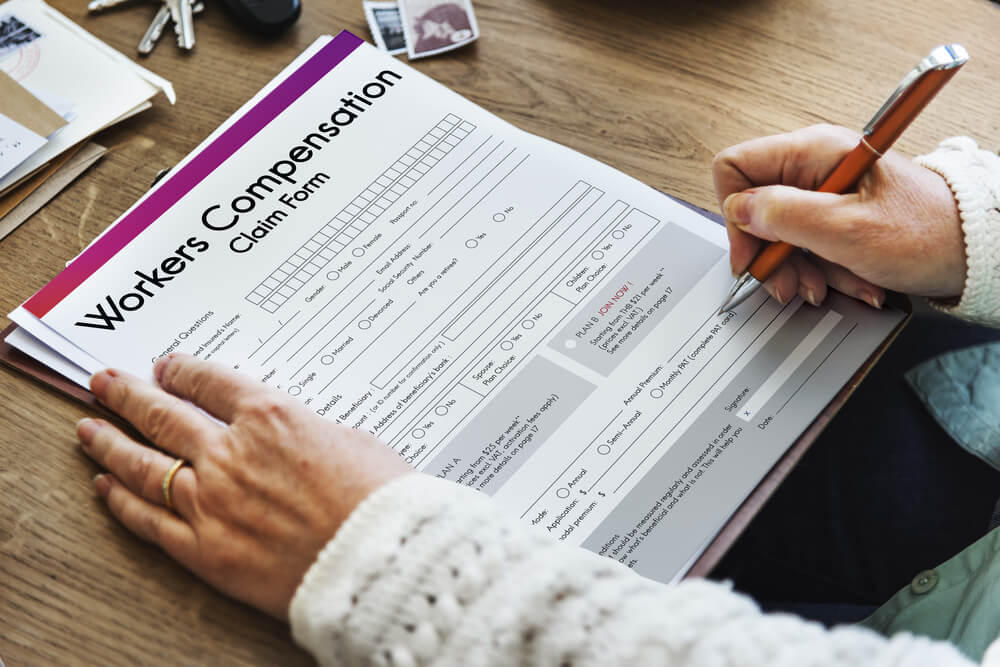
A workers’ comp back injury settlement is not a full replacement for what was lost. Florida’s system is designed to cover specific categories of loss, and understanding those categories is the first step toward realistic expectations.
Medical Benefits and Authorized Treatment
Florida workers’ compensation pays for medically necessary treatment related to the work injury. This includes doctor visits, imaging, physical rehabilitation, and authorized procedures. The critical word is “authorized”, treatment must be approved through the insurer’s managed care process, and disputes over what qualifies are common.
Injured workers do not choose their treating physician freely. The employer or insurer selects the authorized treating provider. This creates a structural tension: the doctor is paid by the insurer, which may influence how injury severity is rated and what treatment is recommended.
Wage Replacement Benefits and the Income Gap
Florida workers’ comp replaces 66.67% of the average weekly wage for temporary total disability, up to the state maximum. For many workers, this creates an immediate income gap, especially those in physically demanding jobs who cannot perform modified duty assignments.
Temporary partial disability benefits apply when a worker can do some work but earns less than before the injury. These benefits cover 80% of the difference between pre-injury wages and current earning capacity, again subject to state caps.
Permanent Impairment Benefits and Workers’ Comp Back Injury Settlements
When a back injury results in permanent impairment, the injured worker is assigned an impairment rating, a percentage that reflects lasting functional loss. This rating drives permanent impairment benefit calculations and is a central factor in workers’ comp back injury settlement negotiations.
The impairment rating is assigned by the authorized treating physician using the American Medical Association Guides. A low rating means lower benefits. Because this number carries so much weight, disputes over ratings, and requests for independent medical examinations, are frequent in Florida back injury claims.
Why Insurers Dispute Back Injury Claims — and How It Affects Settlement Value
Back injury claims are often disputed because they rely heavily on medical interpretation and long-term impact rather than clear, immediate outcomes. Insurance companies evaluate these claims closely, especially when the injury develops over time or overlaps with prior conditions.
How Pre-Existing Conditions Affect a Claim
Pre-existing conditions may complicate a claim when insurers argue that the injury was not caused by work activities. However, workplace incidents that worsen an existing condition may still be considered within a claim if properly documented.
The key issue is whether the work event contributed to a measurable change in the condition.
How Medical Opinions Shape the Claim
Medical evaluations play a central role in determining the severity of a back injury and the ability to return to work. Conflicting medical opinions may lead to disputes over treatment, work restrictions, and impairment ratings.
These disagreements often influence both ongoing benefits and settlement outcomes.
How Work Restrictions Impact Benefits
Work restrictions affect whether a worker can return to their previous role or must accept modified duties. When restrictions do not align with actual job demands, disputes may arise over eligibility for wage replacement benefits.
This dynamic often becomes a pressure point during claim negotiations.
How Workers’ Compensation Back Injury Settlements Are Calculated

A workers’ compensation back injury settlement is based on several overlapping factors rather than a fixed formula. Each case is evaluated individually based on how the injury affects work and future earning capacity.
| Factor | How It Affects the Claim | Why It Matters |
|---|---|---|
| Pre-injury wages | Determines baseline for wage benefits | Higher wages often increase benefit calculations |
| Impairment rating | Reflects long-term limitations | Higher ratings may increase settlement value |
| Work restrictions | Limits job capabilities | Impacts earning capacity and future work options |
| Future medical needs | Extends cost projections | Influences settlement negotiations |
| Disputed liability | Creates uncertainty in claim | May delay resolution or reduce offers |
What Factors Influence Settlement Value
Settlement value is influenced by the worker’s pre-injury wages, the level of permanent impairment, the expected cost of future care, and the likelihood of success if the claim is disputed.
Clear documentation and consistent medical records often strengthen the overall evaluation of the claim.
Why “Average Settlement” Numbers Are Misleading
Average settlement figures do not reflect how individual factors shape a case. A minor injury with full recovery is evaluated very differently from a case involving permanent limitations and long-term work impact.
The specific facts of the claim determine how it is valued.
What Documentation Helps Strengthen a Back Injury Claim
Strong documentation helps connect the injury to the workplace and demonstrate its impact over time. Many workers find it helpful to organize records early in the process to support their claim.
Relevant documentation often includes medical records, wage information, work restriction reports, and personal notes describing how the injury affects daily activities. When this information is consistent and complete, it allows for a more accurate evaluation of the claim.
Ask Our Attorneys
Q: How much is a workers’ comp back injury settlement?
A: Settlement value varies based on factors such as injury severity, impairment rating, wage history, and future limitations. There is no fixed amount, as each claim depends on how the injury is documented and how it affects work capacity.
Q: Can a back injury qualify if it developed over time?
A: Back injuries that develop gradually may still qualify if they are connected to work activities. These claims often require detailed documentation to establish that connection.
Q: What happens if my claim is denied?
A: A denial does not necessarily end the process. Many claims move into a dispute phase where additional documentation and legal review may clarify the issues involved.
Workers’ Compensation Back Injury Claims: Questions Answered by Our Attorneys
Can I receive benefits if I can still work?
Workers may still qualify for partial benefits if they return to work at a reduced capacity or lower income. The difference between prior earnings and current income is often considered in benefit calculations.
Does a settlement include future medical costs?
Some settlements account for future medical needs, while others close the claim entirely. The structure of the agreement determines how future expenses are handled.
How long does a back injury claim take?
The timeline varies depending on the complexity of the claim, the extent of the injury, and whether disputes arise during the process.
Do I need an attorney for a workers’ comp claim?
Some claims may become more complex when disputes involve medical opinions, work restrictions, or long-term limitations. Legal guidance may help clarify available options.
When the System Feels Unclear
Back injuries often change how work fits into daily life. What used to be routine may become difficult, and the claims process does not always reflect that shift clearly.
Having someone to walk through the legal side of that process may make the situation easier to understand. Our team offers free consultations and works on a contingency basis, so there is no upfront cost to discuss your options.

Free Consultation
We Are Here For You 24/7
Reviews

– Elissa M.
“Really pleased with Boohoff Law! Received immediate responses when I had any questions. Treated amazingly by all staff … made this process a true breeze!”
– Caitlyn M.
– Brandy K.
Related Posts
Who Is Liable for a Trailer Detachment Accident in Washington?
Who’s Liable in a Lumber Truck Accident Near Olympia, WA?
What to Do When Your Total Loss Offer Is Too Low in Olympia, WA
Recovery is personal.
We’re here for you.
We’re close by. And if you can’t make it to us, we’ll meet you where you need us, at home or in the hospital.













© 2025 Boohoff Law, P.A. — Auto Accident Lawyers.
The information on this website is for general information purposes only. Nothing on this site should be taken as legal advice for any individual case or situation. This information is not intended to create, and receipt or viewing does not constitute, an attorney-client relationship.
Disclaimer: The results and testimonials presented on this website are based on the unique facts and circumstances of each case. Past results do not guarantee or predict similar outcomes in future cases. Every legal matter is different, and you should not rely on prior case results as an expectation of future performance.
