Falsified Logbooks in Washington Truck Accidents: Proving Paper Log Fraud Before 2024 ELD Mandate
Commercial truck accidents in Washington can cause devastating, life-altering injuries due to the sheer size and weight of these vehicles. Victims often face severe physical trauma, long hospital stays, and substantial financial losses.
Truck drivers are required to maintain accurate logbooks that document their hours of service; however, falsified or “paper” logs can conceal driver fatigue, thereby increasing the risk of catastrophic crashes.
Our experienced truck accident attorneys at Boohoff Law, P.A., understand commercial trucking regulations and investigative techniques needed to uncover fraudulent records. We can protect your rights by working closely with professionals to analyze logs, driver schedules, and company practices.
Proving Fraud in a Truck Accident: Key Takeaways
- Proving paper log fraud before the 2024 ELD mandate requires analyzing logbooks, GPS data, dispatch records, professional testimony, and medical evidence.
- Liability may extend beyond the truck driver to trucking companies, maintenance providers, manufacturers, and other negligent parties.
- After a truck accident, seek medical care, file a police report, and consult a truck accident lawyer.
- Injured victims may recover compensation for medical costs, lost income, pain and suffering, and, in fraud cases, potential punitive damages.
- Call a truck accident attorney to protect your right to compensation.
How to Prove Paper Log Fraud Before the 2024 ELD Mandate
Before the 2024 electronic logging device (ELD) mandate, many truck drivers relied on paper logbooks to document hours of service. Unfortunately, some drivers and trucking companies falsified these records to avoid violating federal regulations or to maximize deliveries, which can lead to fatigued driving and catastrophic accidents.
Proving paper log fraud is the foundation of your compensation claim after a truck crash. An experienced truck accident attorney can use a variety of evidence sources to establish falsified logs and link them to the accident.
Driver Logbook Analysis
A truck accident lawyer can examine paper logs for inconsistencies, gaps, repeated entries, or handwriting discrepancies. Unexplained missing hours or identical entries across multiple days may indicate falsification.
They can also compare the logs with other records and reveal discrepancies that point to negligence.
Electronic and GPS Records
Even before the ELD mandate, many trucking companies maintained GPS tracking, dispatch records, or telematics data. These records can confirm vehicle locations, driving hours, and speed, often contradicting the driver’s paper logs.
A truck accident lawyer can use the records to demonstrate that a driver was on the road longer than legally allowed, creating a direct link to fatigue-related crashes.
Dispatch and Trip Records
Dispatch notes, load sheets, and delivery schedules provide context for a driver’s actual hours on the road. A truck accident attorney can review these documents to show pressure from the company to exceed legal driving limits, supporting claims that falsified logs contributed to the accident.
Accident Reconstruction and Professional Testimony
Professionals in accident reconstruction can analyze vehicle damage, skid marks, and road conditions to estimate how the crash occurred and whether driver fatigue was a likely factor. Combined with logbook discrepancies, professional testimony strengthens the case that falsified hours directly led to the accident.
Witness Testimony
Coworkers, dispatchers, or even other drivers may provide testimony about unrealistic schedules, repeated overtime, or company pressure to falsify records. They can use the evidence to establish a pattern of negligence that contributed to the crash.
Medical and Fatigue Reports
Medical evaluations, including fatigue-related impairments observed at the time of the crash, can support claims that the driver was overworked or exhausted. A truck accident lawyer can use these reports alongside logbook evidence to show causation between falsified logs and the accident.
Who Is Liable for a Truck Accident
Determining liability in truck accidents requires legal analysis due to multiple potentially responsible parties and strict federal regulations. Liability depends on the accident’s specific circumstances, evidence available, and applicable commercial trucking laws that govern the industry and establish the duty of care.
Here are the potential parties who may be liable:
Truck Driver Liability
The truck driver is usually the first party considered when assigning liability. Drivers have a duty to operate the vehicle safely, follow traffic laws, and comply with federal hours-of-service regulations.
Negligence by a driver may include speeding, distracted driving, driving under the influence, or exceeding allowable driving hours, which can lead to fatigue-related crashes.
An experienced truck accident lawyer can use the following sources of evidence to establish fault:
- Driver Logbooks: Comparison of paper logs, GPS records, or ELD data to verify hours driven and rest periods.
- Accident Reports: Police or commercial carrier reports documenting traffic violations, citations, or preliminary fault determinations.
- Vehicle Damage Analysis: Assessing the location and extent of damage to reconstruct how the collision occurred.
- Witness Testimony: Accounts from other drivers, passengers, or pedestrians observing the crash.
- Event Data Recorder (Black Box) Data: Speed, braking, and steering information recorded immediately before the accident.
Trucking Company Liability
Trucking companies can also be held liable under the legal doctrine of vicarious liability, which holds employers responsible for the actions of their employees while performing work duties. Additionally, companies may be directly liable if they fail to properly maintain vehicles, ignore driver fatigue regulations, or pressure drivers to exceed legal limits.
A truck accident lawyer examines company policies, dispatch records, maintenance logs, and training procedures to identify negligence.
They can use the following sources of evidence to establish liability:
- Maintenance and Inspection Records: Proof of deferred or improper vehicle maintenance that contributed to the crash.
- Driver Training and Hiring Records: Evidence of inadequate training, failure to verify driving history, or negligent hiring.
- Dispatch and Scheduling Logs: Records showing unrealistic delivery deadlines or pressures to drive beyond legal hours.
- Internal Communications: Emails, messages, or memos encouraging unsafe driving practices.
- Surveillance and Telematics Data: GPS and onboard tracking systems showing deviations from safe driving practices.
Other Parties
In some cases, additional parties may share liability. Vehicle or component manufacturers can be held responsible for mechanical failures or defective parts. Third-party maintenance companies may be liable if faulty repairs contributed to the crash.
Roadway authorities can also share fault if hazardous road conditions or inadequate signage contributed to the collision.
What to Do After a Truck Accident
Your actions after a truck accident can enhance your wellness and protect your legal rights. Here is what you should do if injured in a truck accident:
Seek Immediate Medical Attention
You should seek immediate medical attention even if involved in a minor crash or seem initially alright. Many serious injuries, including internal bleeding and spinal damage, don’t present obvious symptoms immediately but can worsen without prompt treatment.
A healthcare provider can diagnose hidden injuries and initiate a treatment plan. They can also generate medical records that link your injuries to the accident.
A truck accident lawyer can use the evidence when proving damages in cases involving falsified logbooks. Trucking companies and their insurers will scrutinize your medical history to minimize liability, so consistent, contemporaneous medical documentation strengthens your position.
Delaying medical care allows insurance companies to argue your injuries weren’t severe or weren’t caused by the accident.
Additionally, prompt medical evaluation can uncover evidence that supports logbook fraud claims. For instance, the severity of impact-related injuries may indicate excessive speed or driver fatigue, both of which are potential results of hours-of-service violations that drivers conceal through paper log manipulation.
A truck accident attorney can use medical records as evidence to demonstrate the trucker’s negligence and the company’s role in encouraging fraudulent record-keeping.
File a Police Crash Report
You should notify the local police department if you suffered an injury in a truck accident. Truck accidents often involve complex liability issues, including potential negligence by the driver, trucking company, or third parties.
A police report creates an official, neutral record of the crash, documenting the time, location, road conditions, vehicle positions, and statements from involved parties and witnesses. Officers may also note traffic violations, signs of driver fatigue, or equipment defects, which are especially relevant in commercial truck cases.
The police crash report also serves as foundational evidence when investigating issues such as hours-of-service violations, falsified logbooks, or improper vehicle maintenance. A truck accident lawyer relies on police crash reports to corroborate other evidence, challenge insurer disputes, and establish fault.
Filing a police crash report also helps you meet statutory requirements. In Washington state, you must file a collision report within four days if it involves:
- Bodily Injury
- Death
- Property damage over $1,000
Consult a Truck Accident Attorney
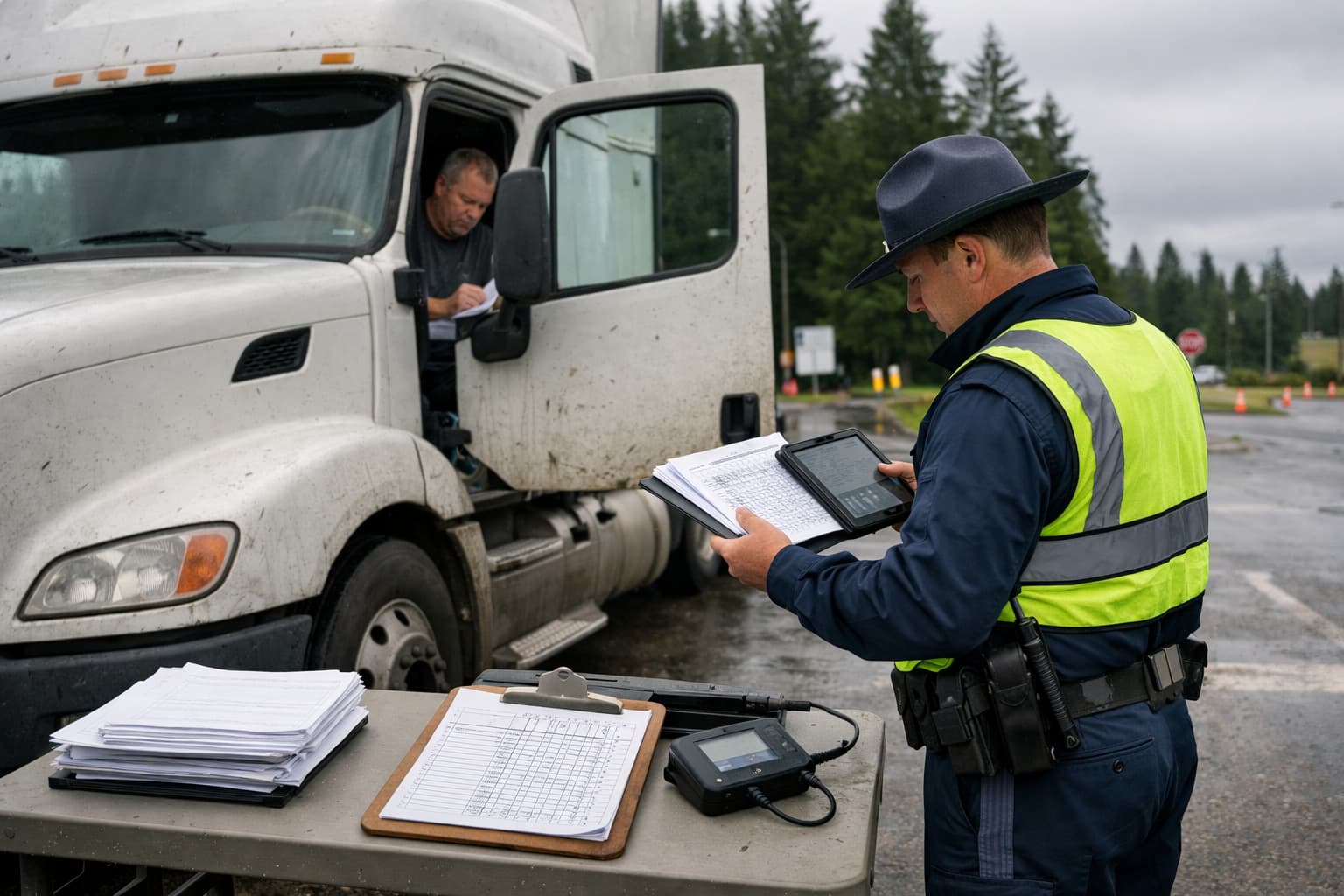
You should also consult a truck accident attorney, especially when a crash involves falsified logbooks and paper record fraud. These cases require a detailed understanding of federal trucking regulations, investigative strategies, and Washington personal injury law.
An experienced truck accident lawyer can protect your rights while building a strong case tied directly to paper log fraud before the 2024 ELD mandate.
Here is how they can benefit you:
Evaluating the Case
A truck accident attorney will conduct a comprehensive case evaluation to determine whether falsified paper logs contributed to the crash. This includes reviewing driver logbooks, dispatch records, GPS data, delivery schedules, and maintenance files.
They can also work with professionals to identify inconsistencies indicating fatigue or hours-of-service violations, and to assess how those violations caused or worsened the accident.
Adhering to Legal Timelines
Washington law generally gives you three years to file a personal injury lawsuit after a truck accident. Failing to meet this statute of limitations can permanently bar your right to compensation.
A truck accident attorney files all claims on time and preserves evidence early.
Negotiating With Insurers
Trucking company insurers aggressively defend logbook fraud claims and often attempt to minimize liability. A truck accident attorney can handle all communications and negotiations on your behalf.
They can present clear evidence of falsified records to demand fair compensation for your current and future losses.
Representation in Court
If settlement negotiations fail, a truck accident attorney is prepared to take your case to court. They can present professional testimony, challenge fraudulent records, and advocate for maximum compensation before a judge or jury.
Can I Get Compensation if Injured in a Truck Accident
Yes, you can pursue compensation for injuries sustained in a truck accident caused by negligence, including cases involving falsified logbooks. Your compensation typically encompasses both economic and non-economic damages.
Economic damages include quantifiable financial losses such as medical expenses, hospitalization costs, rehabilitation fees, prescription medications, lost income from missed work, and reduced earning capacity.
Non-economic damages compensate for intangible losses that lack precise monetary value. These include physical pain and suffering, emotional distress, mental anguish, loss of enjoyment of life, permanent disability or disfigurement, and loss of consortium affecting your relationships with loved ones.
In cases involving fraudulent logbooks, punitive damages may also be available if the trucking company’s conduct demonstrated willful disregard for safety. The total compensation depends on injury severity, evidence quality, and the defendant’s insurance coverage or assets.
Get Legal Support After a Truck Accident Involving a Falsified Logbook
You may be entitled to compensation if injured in a truck accident caused by someone else’s negligence. Even so, you must prove paper log fraud and demonstrate how their actions contributed to the accident and your losses.
Our truck accident attorneys at Boohoff Law, P.A. have years of experience representing victims of truck accidents and their families. You can count on us to fight for your right to fair and just compensation.
Truck Accidents Frequently Asked Questions
Why Is My Lawyer Taking So Long to Settle My Case?
Cases involving falsified logbooks take longer because a truck accident attorney must conduct a thorough investigation. They must examine records to uncover paper log fraud, consult professionals, and counter aggressive trucking insurers before negotiating a fair settlement.
When do I Hire a Truck Accident Lawyer?
Hire a truck accident lawyer immediately after the collision to preserve evidence like driver logbooks, electronic data, and company records. Early legal representation ensures proper investigation of potential logbook fraud before trucking companies destroy or alter documentation.
How Much Does an Injury Lawyer Cost?
Most injury lawyers work on a contingency fee basis, meaning they only collect payment if you win your case. A truck accident lawyer will, therefore, collect a percentage of your final settlement or verdict, with no upfront costs.