DuPont Fulfillment Center (BFI4) to Olympia Routes: High-Risk Delivery Corridors on I-5
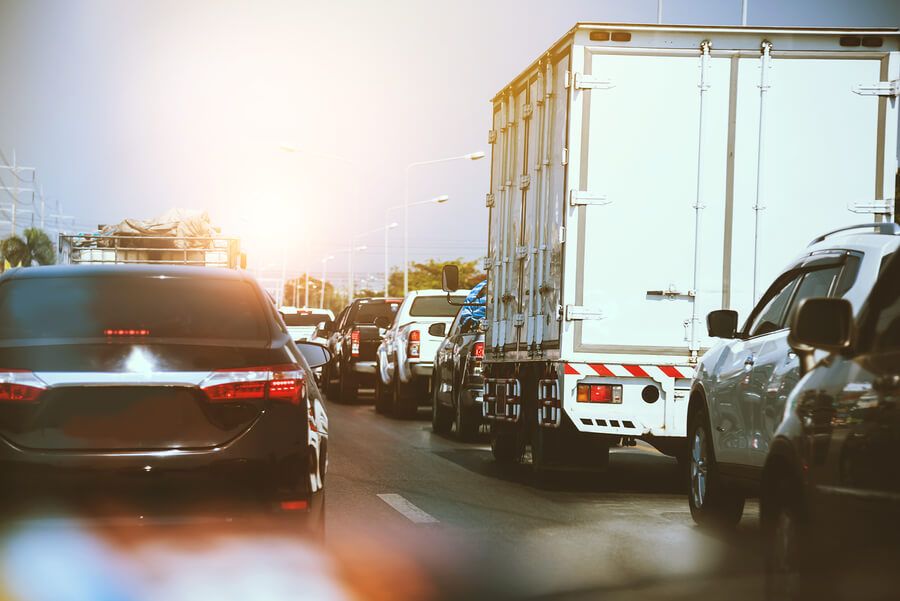
If you drive I-5 between Tacoma and Olympia, you share the road with a constant stream of delivery trucks heading to and from one of Amazon’s largest distribution hubs.
The DuPont Fulfillment Center—known by its facility code BFI4—sits just off I-5 in Pierce County, sending trucks south through Lakewood, past Joint Base Lewis-McChord, across the Nisqually River, and into Thurston County toward the state capital.
This I-5 DuPont to Olympia corridor ranks among Washington’s most dangerous stretches of highway. The combination of heavy freight traffic, military commuters, aging infrastructure, and ongoing construction creates conditions where serious truck accidents happen far too often. Residents of DuPont, Lacey, Tumwater, Olympia, and other communities regularly travel this route daily.
Boohoff Law P.A.’s team of truck accident lawyers helps drivers injured in crashes along this high-risk delivery corridor pursue full and fair compensation from negligent carriers and their insurers.
Critical Facts About I-5 Truck Traffic Between DuPont and Olympia
- The DuPont/JBLM corridor has an accident rate more than double that of nearby I-205, according to data from the Washington State Department of Transportation (WSDOT).
- WSDOT’s corridor improvement project involves nightly lane reductions and complex traffic shifts that heighten the risk of commercial truck accidents and other collisions.
- With five times the industry average for accidents, the DuPont fulfillment center is known as the most injury-prone Amazon warehouse in the country, creating pressures that follow drivers onto the road.
- Federal safety data shows Amazon middle-mile contractors have safety violation rates that are often double those of other carriers.
- Bottlenecks near Joint Base Lewis-McChord create dangerous merge zones where commercial trucks mix with commuter traffic.
Why Is the I-5 DuPont to Olympia Corridor Considered High-Risk?
Several factors combine to make this section of I-5 particularly dangerous for all drivers. Heavy commercial vehicle traffic from the BFI4 fulfillment center merges with military commuters from JBLM and travelers heading between Seattle and Portland.
The corridor lacks adequate shoulders in several sections. Substandard weaving zones force vehicles to change lanes in compressed spaces. These deficiencies create conditions where even minor errors often lead to serious collisions.
Traffic volume data from WSDOT shows this stretch handles far more vehicles than its original design intended. The combination of freight density, commuter traffic, and outdated infrastructure creates a corridor where accidents happen with troubling regularity.
How Does Heavy Freight Traffic Impact Safety on I-5?
The DuPont Fulfillment Center operates as a primary middle-mile hub, meaning trucks constantly move goods between the warehouse and regional delivery stations. This creates a steady flow of semi-trucks and delivery vans traveling the I-5 freight corridor through Washington.
Commercial truck volume increases during peak delivery hours, typically early morning and late afternoon. These windows overlap with commuter rush hours near JBLM, multiplying congestion and crash risk.
Heavy commercial vehicles require longer stopping distances than passenger cars. A fully loaded semi-truck traveling at highway speed needs roughly 525 feet to stop—nearly two football fields. When traffic suddenly slows near the Nisqually River Bridge or Marvin Road exit, trucks face dangerous conditions.
Delivery pressures add another layer of risk. Washington’s Department of Labor and Industries has cited fulfillment operations for requiring work paces that lead to injuries. Drivers loading vans at dangerously fast speeds may already be fatigued or stressed before merging onto I-5.
Accident Trends Between DuPont and Olympia
Crash statistics paint a clear picture of danger along this corridor. The section of I-5 near Olympia ranks among the deadliest in Washington State.
Fatal Crash Rates
In one recent five-year period, 11 fatal crashes occurred on the 10-mile segment between Trosper Road SW and Meridian Road NE. This places the corridor fourth statewide for fatal crash density, according to Washington Traffic Safety Commission data reported by The Olympian.
Infrastructure-Related Collisions
WSDOT reports identify geometric deficiencies as contributing factors in many crashes. The corridor lacks shoulders in critical areas, leaving disabled vehicles no safe refuge. Substandard weaving sections force lane changes in spaces too short for safe merging.
Commercial Vehicle Involvement
Federal safety data indicates that Amazon middle-mile contractors have average safety violation rates—including speeding and distracted driving—that often double those of other carriers. When 80,000-pound trucks operated by potentially fatigued drivers travel this congested corridor, collision risks multiply.
Infrastructure Challenges Near JBLM and Nisqually
The physical design of I-5 through this area creates hazards that no amount of careful driving can fully overcome. Military traffic from Joint Base Lewis-McChord adds thousands of vehicles daily, many driven by personnel unfamiliar with local conditions.
The JBLM Choke Point
Traffic entering and exiting JBLM creates sudden speed changes on I-5. Vehicles merging from base exits join highway traffic that may be traveling 60+ mph. This speed differential causes rear-end collisions and sideswipes, particularly during shift changes.
Nisqually River Bridge Congestion
The Nisqually River crossing creates a natural bottleneck. Lane configurations change approaching the bridge, forcing merges that stack traffic during peak hours. Truck drivers navigating this section face limited sight lines and compressed reaction times.
SR-510 Interchange Complexity
The SR-510 interchange near DuPont requires multiple lane changes for drivers heading toward Olympia. Trucks exiting the fulfillment center must navigate these transitions while passenger vehicles weave around them. The interchange design predates current traffic volumes.
Active Construction Hazards
WSDOT’s $240 million corridor improvement project between Mounts Road and Steilacoom-DuPont Road involves nightly lane closures and shifting traffic patterns. While intended to improve long-term safety, construction currently creates additional hazards, including narrow lanes, temporary barriers, and unfamiliar routing.
What Are the Common Causes of Truck Accidents on This Stretch of I-5?
Multiple factors contribute to commercial vehicle crashes along the DuPont to Olympia corridor. Trucking companies and their drivers may bear liability when these factors cause injuries.
Driver Fatigue
Federal hours-of-service rules limit how long commercial drivers can operate without rest. However, delivery pressures may encourage drivers to push these limits. Fatigued drivers have slower reaction times and impaired judgment—dangerous qualities on a congested highway.
Speeding and Aggressive Driving
Safety violation data shows some commercial carriers have speeding rates double the industry average. On a corridor with bottlenecks and merge zones, excessive speed eliminates the margin for error that prevents crashes.
Distracted Driving
Electronic logging devices, GPS navigation, and delivery tracking systems compete for driver attention. Texting violations among commercial drivers contribute to crashes when seconds of inattention meet sudden traffic slowdowns.
Inadequate Vehicle Maintenance
Commercial vehicles operating on tight schedules may defer maintenance. Brake failures, tire blowouts, and steering problems cause catastrophic crashes when they occur at highway speeds. Trucking companies have legal obligations to maintain safe fleets.
Improper Cargo Loading
Improperly secured loads shift during transit, affecting vehicle handling. Overweight trucks require longer stopping distances and place greater stress on braking systems. Both conditions increase the likelihood of crashes in a corridor with frequent speed changes.
What Should Drivers Know About Sharing the Road With Delivery Trucks?
You can be the safest driver on 1-5, but it’s still not enough to protect you from a negligent truck or delivery van driver. However, you can take some simple defensive driving measures to reduce your risk of an accident with a commercial truck.
Avoid Truck Blind Spots
Avoid driving in a semi truck’s blind spots—areas beside and behind the trailer where drivers cannot see you. These zones extend 20 feet in front of the cab, 30 feet behind the trailer, and one lane on each side. If you cannot see the truck’s mirrors, the driver cannot see you.
Maintain Safe Following Distance
Allow extra following distance behind trucks. Their longer stopping distances mean they may slow more gradually than you expect. Rear-ending a semi-truck often causes severe injuries to passenger vehicle occupants because car hoods slide beneath trailer underrides.
Pass Trucks Efficiently
Lingering beside a truck extends your time in the blind spot and exposes you to debris from a tire blowout. Complete passes promptly and return to a safe following distance ahead of the truck. Never cut closely in front of a truck after passing—remember their extended stopping distance.
Watch for Merging Traffic
Watch for trucks entering from the DuPont fulfillment center area and JBLM exits. Vehicles accelerating onto I-5 may need time to reach highway speed. Give merging trucks space when safely possible rather than racing to pass them.
Anticipate Construction Zone Changes
The ongoing corridor improvement project between Mounts Road and Steilacoom-DuPont Road involves nightly lane shifts. Pay attention to construction signage and reduce speed in work zones. Trucks navigating unfamiliar lane configurations may make unexpected movements.
What Are My Legal Options After a Truck Accident on I-5?
Washington law allows crash victims to pursue compensation from negligent parties. When commercial vehicles cause injuries, multiple parties may share liability. An experienced attorney can investigate the crash and identify all responsible parties.
Potential Defendants in Truck Crash Claims
The truck driver may be personally liable for negligent operation. Speeding, distracted driving, fatigue, and traffic violations all establish driver negligence when they contribute to crashes.
However, the trucking company often shares responsibility under respondeat superior principles—employers are liable for employees’ actions within the scope of employment. Companies may also face direct liability for negligent hiring, inadequate training, or pressure tactics that encourage unsafe driving.
Vehicle owners separate from drivers or trucking companies may also face claims. Cargo-loading companies are responsible when improper loading shifts while the vehicle is in motion, causing crashes. Manufacturers face product liability claims when defective parts contribute to accidents.
Damages Available to Crash Victims
Injured drivers may recover economic damages, including medical expenses, lost wages or income, and property damage. Future medical costs and diminished earning capacity also qualify when injuries cause lasting limitations.
Non-economic damages compensate for pain, suffering, emotional distress, and reduced quality of life. Severe injuries, including traumatic brain injuries, spinal cord damage, and amputations, often warrant substantial non-economic awards.
Washington follows a pure comparative fault system under RCW 4.22.005. Your compensation is reduced by your percentage of fault, but you may still recover damages if another party shares responsibility. A driver found 20% at fault still recovers 80% of their damages.
Time Limits for Filing Claims
Washington’s statute of limitations gives injury victims three years from the crash date to file lawsuits. However, evidence preservation and witness memories favor prompt action. Trucking companies often deploy rapid response teams to accident scenes, gathering evidence that may later disappear.
Black box data, driver logs, and maintenance records can establish liability—but carriers may overwrite or lose these records without prompt legal intervention. Consulting an attorney soon after a crash protects your ability to pursue fair compensation.
FAQs About I-5 Truck Traffic and Safety Near DuPont and Olympia
What time of day is I-5 most dangerous near DuPont?
Early morning and late afternoon hours present the highest risk. Commercial truck volume increases during peak delivery windows, which overlap with JBLM commuter traffic. The combination of heavy trucks and dense passenger vehicle traffic creates conditions that lead to more frequent crashes.
How do I report unsafe truck driving on Washington highways?
Call 911 for immediate dangers like erratic driving or apparent impairment. For non-emergency concerns, contact Washington State Patrol. Note the truck’s company name, trailer number, and location. These reports help identify carriers with safety compliance problems.
What compensation can I recover after a truck accident in Washington?
Crash victims may recover medical expenses, lost income, property damage, pain and suffering, and reduced quality of life. Severe injuries may warrant compensation for future medical care and permanent disability. An attorney can evaluate your specific situation and identify all potential damages.
Does Washington have special rules for commercial truck accidents?
Federal Motor Carrier Safety Administration regulations govern commercial vehicles in interstate commerce. Washington also applies state commercial vehicle regulations. These rules address driver qualifications, hours of service, vehicle maintenance, and cargo securement. Violations may establish negligence in crash claims.
Should I accept the trucking company’s insurance settlement offer?
Insurance companies routinely undervalue claims and make lowball offers, particularly before the full extent of injuries becomes clear. Insurance adjusters work to minimize payouts, not to protect your interests. Having an attorney review any offer helps ensure you receive fair compensation for your injuries and losses.
Take Control of Your Recovery After an I-5 Truck Accident
After a truck crash on the I-5 corridor, your physical injuries aren’t your only struggle. Trucking companies and their insurers dispatch teams to gather evidence that protects their interests—not yours. Medical bills arrive before you can return to work. Insurance adjusters call with settlement offers designed to close your case cheaply.
Boohoff Law levels the playing field. We investigate crashes thoroughly, preserve critical evidence like black box data and driver logs, and build cases that can stand up in trial, if that’s what it takes to secure your full and fair compensation.
Call or contact us online for a free consultation. We represent injured drivers throughout the Puget Sound area, and we collect no fees unless we recover compensation for you.