SR 8/US 12 Junction Truck Accidents: Logging Truck Crashes at Washington’s Dangerous Intersection
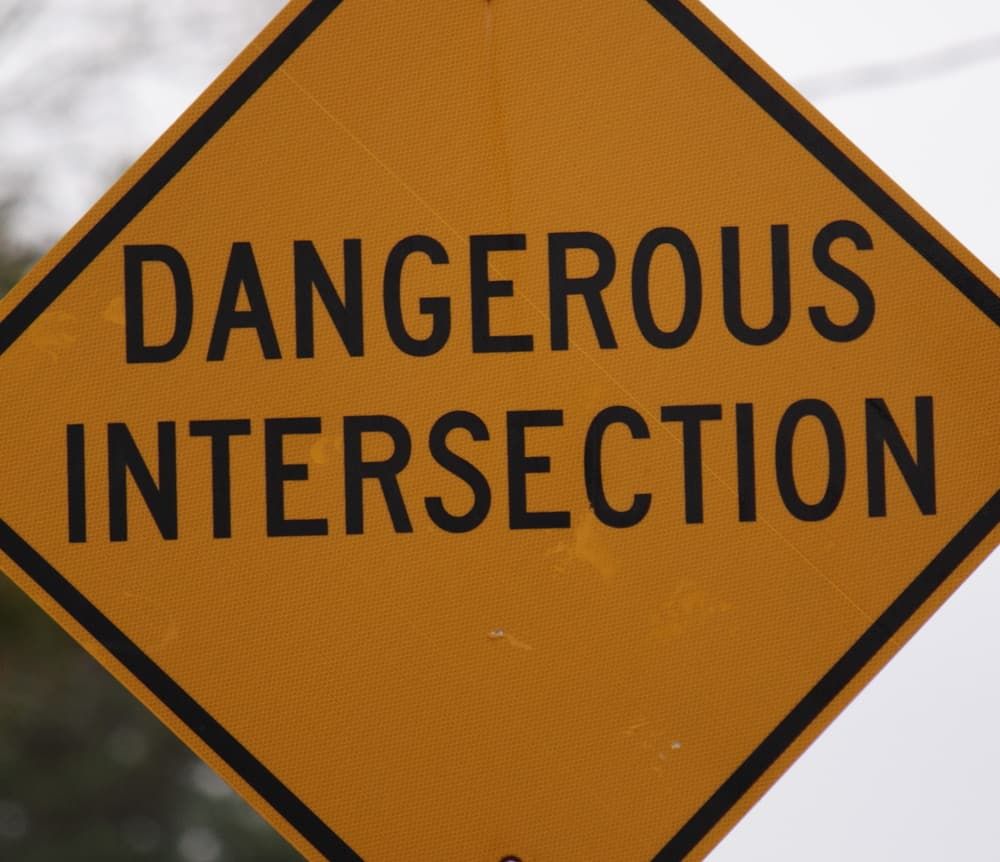
The junction where SR 8 meets US 12 near Elma has a reputation that drivers in Grays Harbor and Mason counties know all too well. Logging truck crashes at this Washington intersection happen with troubling regularity, and the results are often severe.
Fully loaded log trucks weigh up to 105,500 pounds, and when they collide with passenger vehicles at highway speeds, occupants of the smaller vehicles pay the price.
If you or someone you love was injured in a logging truck accident at this junction or anywhere else in Washington, you deserve legal representation that knows how to hold logging companies and their insurers accountable when negligent drivers cause preventable accidents.
Who Is Liable When a Logging Truck Causes an Accident at SR 8/US 12?
The short answer: Multiple parties often share responsibility. The truck driver, the logging company, cargo loaders, and maintenance providers can all be held liable depending on what caused the crash.
- Truck drivers must follow traffic laws, maintain safe speeds, and yield right-of-way at intersections.
- Logging companies are responsible for hiring qualified drivers, maintaining safe vehicles, and ensuring loads are properly secured.
- Cargo loaders can be liable when improperly secured logs shift or fall, causing accidents.
- Maintenance contractors share fault when brake failures or other mechanical problems contribute to crashes.
Key Takeaways: What Makes the SR 8 and US 12 Junction So Dangerous?
This intersection has seen serious crashes for years. Located near Elma in Grays Harbor County, it connects routes that serve the timber industry throughout western Washington. Here are some key points drivers in this area should know.
- Commercial trucks account for 12-18% of traffic on US 12, creating constant conflicts between slow-moving logging vehicles and faster passenger cars.
- The junction requires vehicles to make complex turning movements while heavy truck traffic flows through.
- High speeds combined with the weight difference between logging trucks and passenger vehicles make any collision potentially catastrophic.
- Recent incidents include a logging truck rollover that spilled logs across all lanes, a DUI semi-trailer crash, and a fatal head-on collision.
- The Washington State Department of Transportation (WSDOT) has identified high speeds and heavy freight traffic as primary safety risks in this corridor.
The area between Elma and McCleary sees particularly heavy logging truck traffic. WSDOT recently completed a $109 million project replacing outdated culverts with bridges to improve roadway conditions, but the fundamental challenges of mixing heavy commercial traffic with passenger vehicles remain.
What Causes Logging Truck Accidents at This Intersection?
Crashes at the SR 8 and US 12 junction follow patterns that point to preventable causes. When trucking companies and drivers cut corners on safety, everyone else on the road pays the price.
Failure to Yield Right-of-Way
Many intersection crashes happen when truck drivers fail to yield to oncoming traffic. A recent crash at the SR 8 off-ramp involved a semi-truck driver who failed to yield during a left turn, crashing into a passenger car. That driver was charged with DUI and vehicular assault.
Logging trucks need more time and distance to accelerate from a stop. When drivers misjudge gaps in traffic or try to push through intersections, they put other motorists at serious risk.
Improperly Secured Loads
Logs are a heavy, awkward type of cargo that requires proper securement. The Federal Motor Carrier Safety Administration sets specific rules for how logs must be secured on trucks. When loaders rush or cut corners, logs can shift during turns or hard braking.
A February 2026 logging truck rollover west of the junction happened when the truck jackknifed after hitting a culvert bank. The weight shift caused logs to spill across all lanes, blocking traffic and creating hazards for other drivers.
Driver Fatigue
Logging truck drivers often work long hours in demanding conditions. Federal hours-of-service rules limit driving time, but pressure to meet quotas can push drivers to exceed safe limits. Fatigued drivers have slower reaction times and make poor decisions at critical moments, such as navigating a busy intersection.
Brake Failure and Mechanical Problems
Logging trucks put tremendous strain on braking systems. Fully loaded trucks need much longer stopping distances than passenger vehicles. When companies defer maintenance or drivers skip pre-trip inspections, brake failures and other mechanical problems can lead to crashes that the driver can’t prevent.
Speed and Following Distance
The speed differential between logging trucks and passenger cars creates danger throughout this corridor. Trucks accelerating from the intersection may block faster traffic, causing passenger vehicles to rapidly decelerate. These conflicts happen daily on US 12.
How Do Logging Truck Accidents Differ From Other Truck Crashes on SR 8 and US 12?
Logging trucks present unique hazards that other commercial vehicles don’t share. The nature of their cargo and how they operate creates specific risks for other drivers on roads like SR 8 and US 12.
The Weight Problem
A fully loaded logging truck can weigh over 105,500 pounds—more than 25 times the weight of an average passenger car. This weight difference means that even a relatively low-speed collision transfers massive force to the smaller vehicle. Occupants of passenger cars face severe injuries in crashes that might only dent a logging truck.
The weight also affects how these trucks handle. They need longer distances to stop, wider turning paths, and more time to accelerate. Drivers of passenger vehicles may not realize how differently a loaded logging truck behaves compared to other traffic.
Unsecured Load Risks
Unlike enclosed trailers, logging trucks carry cargo that can come loose. Logs that fall from a truck become deadly obstacles for following vehicles. Even a single log rolling into traffic can cause fatal accidents. Chains and binders must be properly tensioned and inspected, but not all companies enforce these standards consistently.
Load shifts during turns or sudden braking can also destabilize the entire truck, leading to rollovers that sweep across multiple lanes.
Limited Visibility
The stacked logs on a logging truck create significant blind spots. Drivers may not see smaller vehicles beside or behind them, especially during turning maneuvers. At intersections like SR 8 and US 12, these blind spots contribute to crashes when trucks turn across traffic lanes.
Underride Collisions
When a passenger vehicle strikes the side or rear of a logging truck, it can slide underneath the trailer. Underride collisions often cause catastrophic injuries or death because the car’s safety systems can’t protect occupants from impacts above the hood line. Federal rules require underride guards, but enforcement varies.
What Injuries Result From Logging Truck Accidents?
The size and weight of logging trucks mean that crashes typically cause more severe injuries than those in passenger vehicle accidents. Victims often face long recoveries and permanent changes to their lives.
Common Injuries
- Traumatic brain injuries from impacts and sudden deceleration
- Spinal cord damage that can cause partial or complete paralysis
- Multiple fractures requiring surgery, hardware, and extended rehabilitation
- Crush injuries when vehicles are compressed by truck weight
- Internal organ damage from seatbelt forces and blunt trauma
- Severe lacerations from broken glass and debris
Long-Term Consequences
Many logging truck accident survivors face ongoing medical care, physical therapy, and lifestyle changes. Some can never return to their previous jobs. Others deal with chronic pain, limited mobility, or cognitive difficulties that affect every aspect of daily life.
What Compensation Can You Recover After a Logging Truck Crash?
Washington law allows accident victims to seek compensation that reflects the true impact of their injuries. Logging truck cases often involve substantial damages because the injuries tend to be severe.
Economic Damages
These cover your actual financial losses:
- Medical bills, including emergency care, surgeries, and hospital stays
- Future medical expenses for ongoing treatment and rehabilitation
- Lost wages while you recover
- Reduced earning capacity if injuries affect your ability to work
- Property damage to your vehicle
Non-Economic Damages
These address harm that doesn’t come with a receipt:
- Physical pain and suffering
- Emotional distress and mental anguish
- Loss of enjoyment of life
- Permanent disability or disfigurement
Wrongful Death Damages
If a logging truck accident takes someone you love, surviving family members may have the right to pursue a wrongful death claim under Washington law. No amount of money can replace the person you lost or ease your grief, but no family deserves the emotional and financial hardship caused by losing a loved one in an entirely preventable collision.
The right compensation can help cover funeral expenses, lost income your family depended on, and better equip you to deal with the profound void left by your loved one’s absence.
How Does Washington’s Comparative Fault Law Affect Your Claim?
Washington uses a pure comparative fault system under RCW 4.22.005. This means your compensation is reduced by your percentage of fault, but you can still recover damages even if you share some responsibility for the accident.
For example, if a jury finds you 20% responsible, you may still recover 80% of your total compensation. Unlike many other states, Washington does not set a 50%-51% threshold that bars you from compensation if you are equally or mostly to blame.
Insurance companies and trucking company lawyers exploit comparative fault rules by trying to pin more blame on crash victims. They might claim you were speeding, following too closely, or failed to avoid the collision. Having legal representation helps counter these tactics and protects your recovery.
How Long Do You Have to File a Logging Truck Accident Claim?
Washington’s statute of limitations gives injury victims three years from the accident date to file a lawsuit under RCW 4.16.080. This applies to most truck accident claims.
But waiting isn’t wise. Evidence disappears over time. Witnesses forget details. Trucking companies may overwrite electronic logging data or dispose of maintenance records. The sooner you involve a lawyer, the better your chances of preserving the evidence your case needs.
The Washington State Patrol investigates serious truck accidents, and their reports become important evidence. Your Olympia personal injury attorney can obtain these records and supplement them with an independent investigation.
FAQs About SR 8 and US 12 Logging Truck Accidents
What should I do right after a logging truck accident?
If you’re able, move to safety and call 911. Document the scene with photos if possible, including the truck, your vehicle, the intersection, and any visible cargo issues. Get contact information from witnesses. Seek medical attention even if injuries seem minor—some conditions take time to show symptoms.
Can I sue the logging company if their driver caused my accident?
Yes. Washington law holds employers responsible for their employees’ negligence during work. Logging companies can also face direct liability for negligent hiring, inadequate training, poor maintenance, or pressure tactics that encourage unsafe driving.
What if logs fell off the truck and caused my accident?
You may have claims against multiple parties: the driver, the logging company, and whoever loaded the cargo. Federal regulations require specific securement methods for logs. Violations of these rules help establish negligence.
How much is my logging truck accident case worth?
Every case is different. Value depends on injury severity, medical costs, lost income, pain and suffering, and long-term effects. Logging truck accidents often cause serious injuries that warrant substantial compensation. A lawyer can evaluate your specific situation.
Will my case go to trial?
Most truck accident cases settle before trial. Trucking companies and their insurers often prefer negotiated settlements to avoid unpredictable jury verdicts and litigation costs. However, having a lawyer prepared to go to trial typically produces better settlement offers.
Results-Driven Legal Help After an SR 8/US 12 Logging Truck Accident
A logging truck crash at this dangerous intersection leaves you dealing with serious injuries and complicated questions about who’s responsible. The trucking companies involved have legal teams protecting their interests from the moment they learn about the accident.
Boohoff Law levels the playing field. We help families throughout Grays Harbor and Mason counties hold negligent trucking companies accountable. Our Olympia truck accident lawyers handle the insurance companies and legal work while keeping you informed every step of the way. Contact us online for a free consultation. You don’t owe us anything unless we recover compensation for you.