Sideswipe Accidents on I-5 in Washington: Proving Lane Change Negligence Without Witnesses
Sideswipe accidents on I-5 in Washington often come down to one driver’s word against another’s. The other driver says you drifted into their lane. You know they merged into you. Without witnesses, insurance companies may default to splitting fault—or worse, blaming you entirely.
But witnesses aren’t the only way to prove what happened. The vehicles themselves tell a story through damage patterns, paint transfer, and impact angles. Digital evidence from dashcams, black boxes, and even cell phone records can establish exactly who crossed the lane line.
Throughout the I-5 corridor from Seattle to Tacoma to Olympia, these crashes happen daily in heavy traffic, and the right evidence can make all the difference in your claim. A Seattle car accident lawyer knowledgeable about Washington’s lane change laws can gather this evidence and build a case that may prove fault even without an eyewitness.
Who Is at Fault in a Sideswipe Accident on Washington’s I-5?
The short answer: The driver who left their lane and entered another driver’s space is typically at fault. But proving which driver crossed the line requires evidence, especially when no one else saw what happened.
- Washington’s lane change laws (RCW 46.61.140) require drivers to stay within a single lane and only move when safe.
- The driver who fails to maintain their lane bears responsibility for resulting collisions.
- Without witnesses, physical evidence and digital data become key to establishing fault.
- Washington’s comparative fault system means even partial proof of the other driver’s negligence helps your case.
Key Takeaways About Proving I-5 Sideswipe Collisions in Washington
- Sideswipe crashes happen every day on I-5, especially during congested commute hours near Seattle’s downtown corridor, the I-5/I-405 interchange in Tukwila, the Federal Way S-curves, and the Tacoma Dome merge zones.
- Insurance companies often try to assign 50/50 fault when witnesses are unavailable, regardless of what actually happened.
- Physical evidence on both vehicles often tells the complete story of the collision.
- Modern vehicles contain electronic data that can prove sudden steering inputs and lane departures.
- Washington’s pure comparative fault rules mean proving even partial fault on the other driver’s part increases your recovery.
- High-volume merge areas like the I-5/SR-16 interchange in Tacoma, the Lynnwood express lane entrances, and the Everett Boeing Freeway connections see frequent sideswipe collisions.
Why Are Sideswipe Accidents More Dangerous Than They Sound?
The term “sideswipe” suggests a minor scrape, but these crashes often cause serious and catastrophic injuries. The real danger isn’t the initial contact. It’s what happens next.
When a vehicle strikes another vehicle from the side at highway speeds, drivers instinctively overcorrect. That sudden steering input can send a car spinning across multiple lanes, into concrete barriers, or off the road entirely.
I-5 through Washington isn’t flat highway driving. The corridor crosses hilly terrain near Federal Way, climbs and descends through Tacoma’s steep grades, and winds through the mountainous stretch between Everett and the Canadian border. Snoqualmie Pass, while technically on I-90, feeds traffic onto I-5 that’s already navigating challenging conditions.
On I-5’s elevated sections through downtown Seattle, a loss of control can mean striking bridge railings or other vehicles at high speed.
A sideswipe that causes a driver to lose control on a downhill grade, like the Seneca Street exit in Seattle or the southbound descent into Tacoma, can turn into a rollover or multi-vehicle pileup. Wet pavement, common throughout the Puget Sound region, makes regaining control even harder.
Secondary Collisions Cause the Worst Injuries
The initial sideswipe might only dent a fender. But the secondary collision—hitting a guardrail, rolling into a ditch, or being struck by following traffic—is what can cause traumatic brain injuries, spinal cord damage, broken bones, and fatalities. Sideswipes aren’t minor contact collisions. They’re serious crashes that deserve serious legal attention.
What Does Washington Law Say About Lane Changes?
Washington has specific statutes governing lane discipline on highways. These laws establish the standard of care that drivers must follow—and violations can prove negligence.
RCW 46.61.140: Driving on Laned Roadways
This statute requires drivers to stay within a single lane “as nearly as practicable” and prohibits moving from that lane until the driver has determined the move can be made safely. On I-5’s multiple lanes, this means checking mirrors, checking blind spots, and signaling before any lane change.
A driver who sideswipes you as they’re changing lanes has likely violated this statute, which creates strong evidence of negligence.
RCW 46.61.305: Turn Signals Required
Washington law requires turn signals when changing lanes. A driver who merged into your lane without signaling violated this statute. The absence of a signal also explains why you couldn’t anticipate and avoid the collision.
How These Laws Help Your Case
When a driver violates these statutes and causes a crash, their violation is evidence of negligence. They may not have intended to hit you, but they failed to follow the rules of the road. Proving your case means showing that their failure caused your accident and your injuries.
How Can You Prove a Sideswipe Without Witnesses?
This is the central challenge in most I-5 sideswipe cases. The good news: physical and digital evidence often speaks louder than eyewitness testimony.
Physical Evidence on the Vehicles
The damage patterns on both cars act as silent witnesses to what happened:
- Impact angle: Scratches and dents reveal which direction the force came from. Damage that runs from back to front on your vehicle suggests the other car was moving forward relative to you when they sideswiped you.
- Paint transfer: Your car’s paint on their vehicle (or theirs on yours) pinpoints exactly where contact occurred, helping accident reconstructionists determine which vehicle drifted.
- Height and location: Where the damage occurred on each vehicle can show lane positions at impact. A lower scrape on your car matching a higher mark on theirs might indicate they were in a different lane.
- Lug nut patterns: In crashes involving trucks or commercial vehicles on I-5, distinctive lug nut damage or tire rubber transfer can scientifically prove which vehicle initiated sideways movement.
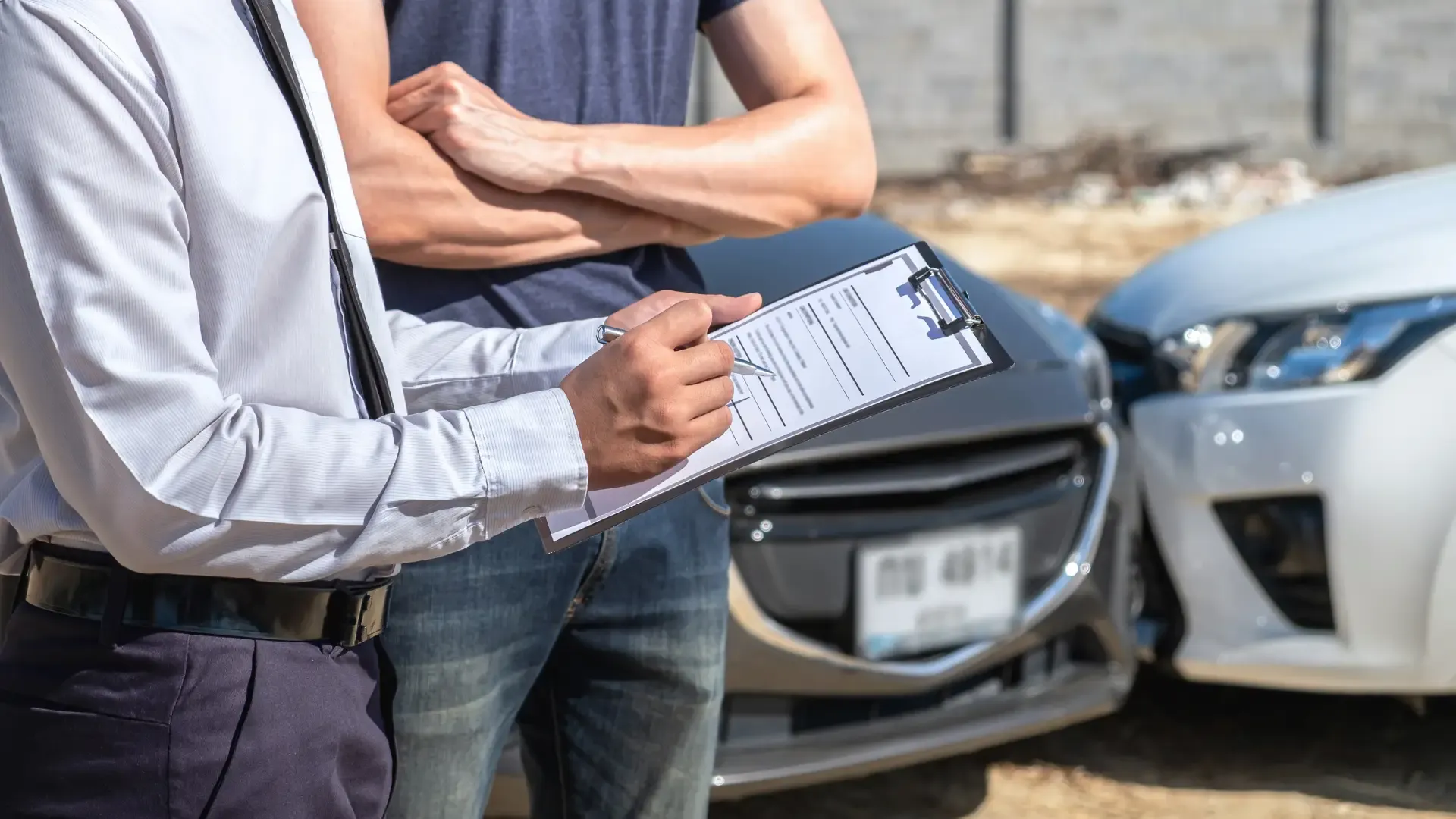
Document this evidence thoroughly before any repairs. Take photos from multiple angles, in good lighting, showing both vehicles side by side when possible. This evidence forms the foundation of your case.
Digital and Technical Evidence
Modern technology creates records that can prove exactly what happened:
- Event data recorders (EDRs): Most newer vehicles have “black boxes” that capture speed, steering input, and braking in the seconds before a crash. A sudden steering correction by the other driver can prove that they swerved into your lane.
- Dashcam footage: Even if you don’t have a dashcam, nearby vehicles might. Commercial trucks from Amazon, FedEx, and freight carriers often have cameras that capture surrounding traffic. Your attorney can subpoena this footage.
- Cell phone records: If distracted driving is suspected, subpoenaed records can show whether the other driver was texting or using apps at the moment of impact.
- Traffic cameras: The https://wsdot.wa.gov/travel/real-time/cameras operates traffic cameras throughout the I-5 corridor. While these typically show traffic flow rather than individual collisions, footage from the right angle and time can support your account.
Accident Scene Evidence
The crash scene may hold valuable clues that support your account:
- Debris location: Where glass, plastic, and vehicle parts landed indicates where the collision occurred relative to lane lines.
- Tire marks: Scuff marks on pavement can show sudden steering movements or lane departures.
- Final positions: Where the vehicles came to rest after impact tells part of the story about how the collision unfolded.
Police Reports and Citations
Even when officers don’t witness the crash, their observations carry weight:
- They document vehicle positions, damage, and road conditions.
- They record statements from both drivers while memories are fresh.
- They may issue citations for failure to maintain lane or for making unsafe lane changes, which serves as powerful evidence of negligence.
- Washington State Patrol reports become part of the official record and are admissible in insurance claims and court proceedings.
How Can Expert Accident Reconstructionists Show What Happened in an I-5 Sideswipe Collision?
In disputed sideswipe cases with no witnesses, accident reconstruction specialists can be decisive. These experts use physics, engineering, and computer modeling to recreate what happened.
What Factors Do Reconstructionists Analyze?
They examine vehicle damage, road evidence, and electronic data to determine:
- Vehicle speeds at impact
- Angle of collision
- Which vehicle departed its lane
- Whether either driver had time to react and avoid the crash
This analysis transforms subjective “he-said, she-said” disputes into objective, scientifically supported conclusions. Juries and insurance adjusters find this evidence far more persuasive than competing driver accounts.
When Is Expert Reconstructionist Testimony Needed Most?
Reconstruction becomes especially valuable when:
- Both drivers blame each other, and the physical evidence isn’t conclusive
- Insurance companies dispute your version of events
- The case goes to trial, and you need to convince a jury
- Significant injuries justify the cost of expert analysis
Your attorney can evaluate whether reconstruction makes sense for your case. In crashes involving serious injuries or significant disputes, the investment often pays for itself through stronger settlement leverage or trial outcomes.
How Does Washington’s Comparative Fault Rule Affect Your Claim?
Washington follows pure comparative negligence rules under RCW 4.22.005. This system affects sideswipe claims in important ways.
What Comparative Fault Means
Fault can be divided between parties based on their respective contributions to the crash. If you’re found 20% responsible and the other driver 80% responsible, you recover 80% of your damages. Unlike some states that bar recovery if you’re more than 50% or 51% at fault, Washington allows partial recovery at any level of fault.
How Can This Rule Affect Your I-5 Sideswipe Case?
Even if you can’t prove the other driver was 100% at fault, establishing their majority responsibility still helps you recover most of your damages. This makes gathering any evidence of their negligence worthwhile.
For example, if your damages total $100,000 and evidence shows the other driver was 70% responsible for the lane departure, you can recover $70,000. That’s far better than accepting a 50/50 split that insurance companies often propose without investigating.
How Do Insurance Companies Exploit Washington’s Comparative Fault Rule?
Insurers often try to assign 50/50 fault in sideswipe cases without witnesses. Doing this may reduce what they pay, but it’s not necessarily accurate. Strong physical evidence can overcome these default assumptions and put the blame where it belongs.
Don’t accept an equal fault determination just because witnesses weren’t available. The evidence on the vehicles and in electronic records often tells a clearer story than any witness could provide.
If you suffered injuries in a sideswipe collision caused by a negligent driver, seek legal help as soon as possible. An experienced car accident lawyer can level the playing field against giant corporate insurers and give your case the leverage it needs to settle fairly.
What Should You Do After a Sideswipe on I-5 in Washington?
If you’ve already received medical care or are currently being treated for injuries from your sideswipe accident, you’re past the immediate crisis. Now it’s time to focus on protecting your legal claim. The steps you take during recovery directly affect your ability to prove fault and recover fair compensation.
Hire a Lawyer Before Talking to Insurance
This should be your first call after your medical situation stabilizes. Insurance adjusters—including your own—are trained to gather statements that minimize what they pay. An attorney can handle these communications, send preservation letters for electronic evidence before it gets overwritten, and start building your case while evidence is fresh.
Keep All Medical Appointments
Missing appointments or gaps in treatment hurt your claim. Insurance companies argue that skipped visits mean your injuries aren’t serious. Follow your doctor’s recommendations, attend all scheduled appointments, and don’t stop treatment early just because you’re feeling better.
Document Your Recovery
Keep a written or video journal tracking your pain levels, limitations, and how injuries affect your daily life. Note what activities you can’t do, how your sleep is affected, and how the injury impacts your work and family responsibilities. This documentation supports your claim for pain and suffering damages.
Preserve All Evidence
Gather and organize everything related to the accident:
- Police report and any citations issued
- Photos of both vehicles and the scene
- Medical records and bills
- Correspondence with insurance companies
- Receipts for any accident-related expenses
Limit Social Media Activity
Insurance investigators monitor social media accounts looking for posts they can use against you. A photo of you smiling at a family event can be twisted to suggest your injuries aren’t serious. Consider staying off social media entirely until your claim resolves, or at a minimum, avoid posting anything about the accident, your injuries, or your activities.
Common Questions About Proving Fault in Washington Sideswipe Crashes
What if the other driver denies changing lanes?
Their denial doesn’t determine fault. Physical evidence, including damage patterns, paint transfer, and impact angles, often tells a different story than the other driver’s account. Electronic data from vehicle black boxes can also prove sudden steering inputs that contradict their version.
Can I get traffic camera footage from I-5?
WSDOT operates traffic cameras throughout the corridor. Your attorney can request footage, though availability depends on camera angles, timing, and how long footage is retained. Acting quickly improves your chances of obtaining useful video.
How long do I have to file a claim after a sideswipe accident?
Washington’s statute of limitations for most personal injury cases (RCW 4.16.080) gives you three years from the accident date to file a personal injury lawsuit. However, evidence preservation favors acting quickly. Electronic data can be overwritten, witness memories fade, and other key evidence can be lost.
What if I was partially at fault for the sideswipe?
Washington’s comparative fault system still allows you to recover damages. If you’re found 30% responsible, you can still recover 70% of your damages from the other driver. Don’t assume shared fault means you have no case.
Do I need a lawyer for a sideswipe accident claim?
Legal representation helps significantly when fault is disputed. An attorney knows how to gather and preserve evidence, work with accident reconstruction experts, and negotiate with insurance companies that want to minimize your claim. A lawyer gives your claim more legal authority, which can position you for the best possible outcome.
Boohoff Law Levels the Playing Field
A sideswipe accident without witnesses doesn’t mean you’re stuck with an unfair settlement or a denied claim. The physical and digital evidence exists, but it needs to be gathered, preserved, and presented effectively.
Boohoff Law helps drivers throughout King, Pierce, Snohomish, and Thurston counties build strong sideswipe cases. We investigate what happened, work with experts when needed, and fight for fair compensation. Call or contact us online for a free consultation and find out how we can help you. We don’t collect fees unless we recover compensation for you.