Rear-End Accidents in Olympia: The 8 Defenses That Overcome the “Trailing Driver Presumption”
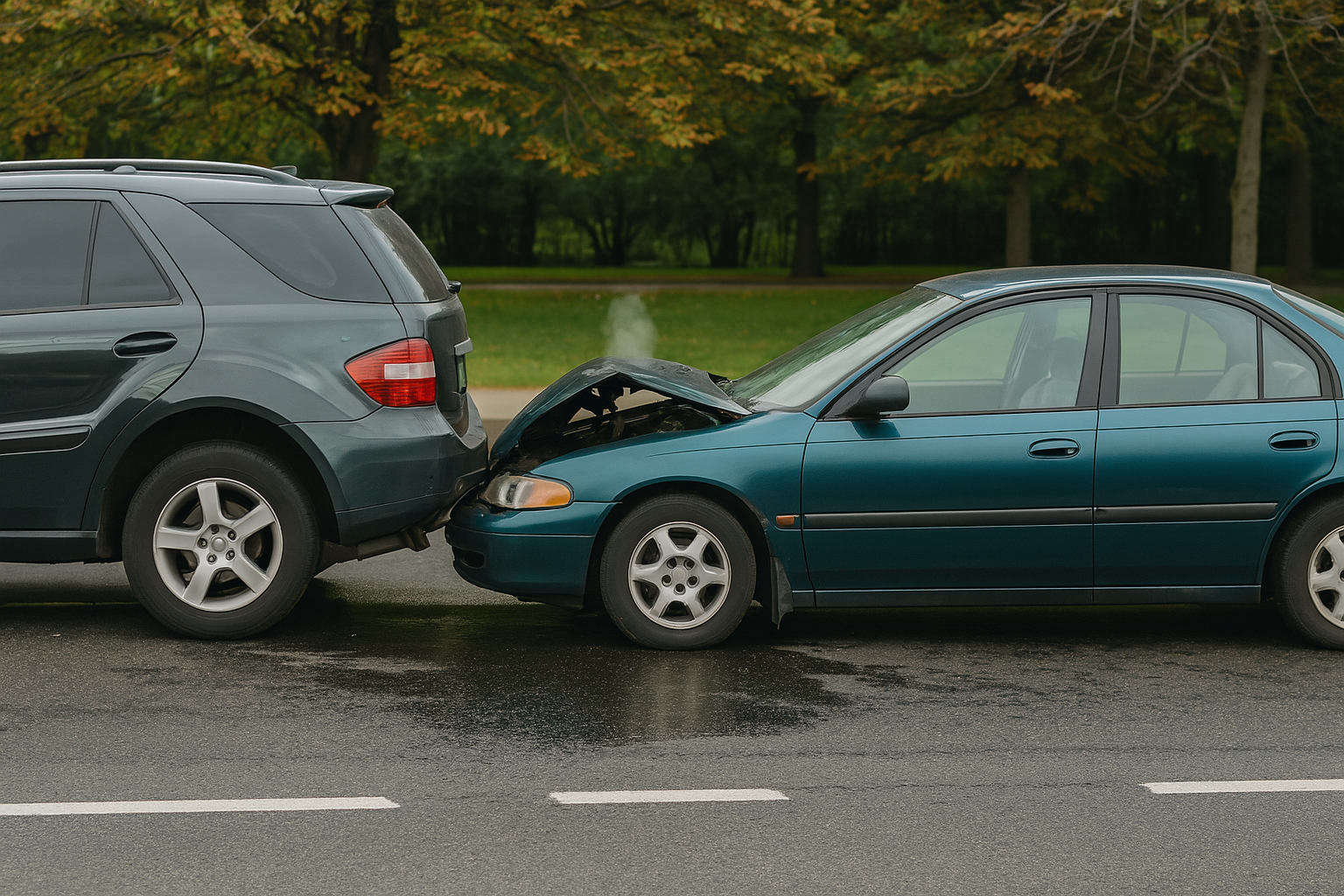
If you rear-ended another vehicle in Olympia, you’ve probably heard that the driver in back is always at fault. That’s not entirely true. Washington law does create a presumption against the rear driver, but it’s not absolute. The trailing driver presumption can be overcome when evidence shows the lead driver or other factors caused or contributed to the crash.
Whether your accident happened on congested Capitol Way during the morning commute, in stop-and-go traffic near the Westfield Capital Mall, or at one of the busy intersections along Martin Way in Lacey, fault isn’t always as clear-cut as it first appears.
Under Washington’s pure comparative fault system, you can recover compensation even if the court finds you were partially responsible for the accident. A personal injury lawyer in Olympia can evaluate your case, gather the right evidence, and present the defenses that apply to your situation.
Is the Driver in Back Always at Fault for Rear-End Accidents in Washington?
The short answer: No. Washington law presumes the trailing driver is negligent, but this presumption can be rebutted with evidence showing the lead driver or external circumstances contributed to the collision.
- The presumption comes from RCW 46.61.145, which requires drivers to follow at a “reasonable and prudent” distance.
- Courts recognize that rear-end crashes sometimes happen through no fault of the trailing driver.
- Washington’s pure comparative negligence rules allow fault to be divided between multiple parties.
- Strong evidence of lead driver negligence or sudden emergencies can shift fault partially or entirely.
Key Takeaways About Rear-End Collision Cases in Olympia
Before examining the specific defenses, here’s the foundation for how these cases work in Washington courts.
- The trailing driver presumption means you start at a disadvantage, but it’s a starting point, not a final verdict.
- Washington follows a rule that allows fault to be split in any percentage between the parties.
- Evidence like dashcam footage, witness statements, and physical scene analysis can overcome the presumption.
- Thurston County courts evaluate rear-end cases based on the specific facts, not automatic assumptions.
- Our experienced car accident attorneys in Olympia know which defenses apply and how to present them effectively.
What Is the Trailing Driver Presumption in Washington?
The trailing driver presumption is a legal rule that assumes the driver who rear-ends another vehicle was following too closely or not paying attention. It exists because, in most situations, drivers should maintain enough distance to stop safely if the car ahead slows or stops.
Under Washington traffic laws (RCW 46.61.145), drivers must follow at a distance that’s “reasonable and prudent” given speed, traffic, and road conditions. When a rear-end crash occurs, courts initially presume the trailing driver violated this duty.
But presumption doesn’t mean certainty. It means the burden shifts to the trailing driver to show why they shouldn’t bear full responsibility. That’s where the eight defenses come in.
How Does the Presumption Work in Practice?
When you’re sued after a rear-end collision—or when you’re dealing with insurance claims—the other side starts with an advantage. They don’t have to prove you did anything wrong; the law assumes it.
It falls on you to present evidence that refutes this assumption. Maybe the lead driver did something dangerous. Maybe conditions made the crash unavoidable. Maybe someone else caused the chain of events.
The stronger your evidence, the more the presumption weakens. In many cases, good evidence doesn’t just reduce the trailing driver’s fault but eliminates it entirely.
What Are the 8 Legal Defenses That Can Overcome Rear-End Liability?
Washington courts recognize several situations where the trailing driver isn’t fully or even partially at fault. Each defense requires specific evidence, but all can change the outcome of your case.
1. Sudden Stop Defense
If the lead driver slammed on their brakes without warning or a valid reason, they may share fault for the collision. This defense applies when the stop was truly unexpected and not a normal response to traffic conditions.
For example, a driver who brakes suddenly because they almost missed their turn creates a hazard for following traffic. The key is showing the stop was unreasonable under the circumstances, not just unexpected from your perspective.
This scenario plays out surprisingly often on busy Olympia corridors like Capitol Way, Martin Way, and Pacific Avenue SE, especially near shopping centers and state office buildings, where drivers frequently make last-second turns into parking lots and driveways.
2. Intentional Brake Checking
Brake checking—deliberately slamming the brakes to intimidate or “punish” a following driver—is dangerous and illegal. If evidence shows the lead driver intentionally caused the collision through aggressive braking, fault shifts substantially or entirely to them.
Dashcam footage is particularly valuable here. It can capture the lead driver’s pattern of behavior before the crash, including repeated brake checks, aggressive driving, or road rage.
3. Mechanical Failure
Sometimes brakes fail despite proper maintenance. A sudden, unforeseeable mechanical failure can serve as a defense when the trailing driver couldn’t have prevented the collision through reasonable care.
This defense requires proof that the failure was truly unexpected—maintenance records, inspection reports, and an expert analysis of the failed components. If the driver knew about brake problems and ignored them, this defense won’t apply.
Other mechanical failures can also support this defense: steering system malfunctions, sudden tire blowouts, or accelerator defects. The common thread is that the failure was unforeseeable and not caused by the driver’s neglect.
4. Sudden Emergency Doctrine
Washington recognizes the sudden emergency doctrine for situations where a driver faces an unexpected crisis not of their own making. If a pedestrian darts into the road, debris falls from a truck ahead, or another vehicle swerves into your lane, your reaction, even if it causes a rear-end collision, may be excused.
The emergency must be truly sudden and unforeseeable. Courts won’t apply this doctrine if the driver had time to react differently or if their own actions created the emergency.
5. Lead Driver’s Comparative Negligence
Under Washington’s pure comparative negligence system (RCW 4.22.005), fault can be divided between parties based on their respective contributions to the crash. If the lead driver was negligent—distracted, impaired, or violating traffic laws—that negligence reduces the trailing driver’s share of responsibility.
Common examples include lead drivers who were texting, driving erratically, or operating vehicles with known defects. Any negligence on their part can affect the final allocation of fault.
6. Chain-Reaction Collisions
In multi-vehicle pileups, the driver who started the chain reaction typically bears the most responsibility. If you were stopped or moving safely and got pushed into the car ahead because someone rear-ended you first, you likely aren’t liable for the forward collision.
Multi-vehicle collisions can occur anywhere, but they are most likely during rush hour on I-5 through Olympia, particularly near Exits 105 (City Center) and 109 (Sleater-Kinney Road), where stop-and-go traffic creates conditions for chain-reaction crashes.
These cases require a careful reconstruction to establish the sequence of impacts. Witness statements and physical evidence showing which collision came first are crucial.
7. Weather and Road Hazards
Dangerous road conditions, such as ice, flooding, debris, or poorly maintained pavement, can contribute to rear-end crashes. While drivers must adjust for conditions, truly unexpected hazards that make stopping impossible may shift some responsibility away from the trailing driver.
Olympia drivers know how quickly the weather and road conditions can change—morning fog rolling off Capitol Lake, black ice forming on the 4th Avenue Bridge, or standing water pooling on low-lying sections of Boulevard Road after heavy rain. These hazards can catch even careful drivers off guard.
However, a weather and road condition defense is more likely to succeed when the hazard was hidden or sudden. Black ice that formed unexpectedly, oil slicks from recent accidents, or debris that just fell from another vehicle can all support this defense.
8. Defective Brake Lights
Washington’s brake light laws require working brake lights on all vehicles. If the lead driver’s brake lights were out, the trailing driver had no visual warning that the car ahead was stopping.
Police reports often note brake light status at accident scenes. Photos from the scene, witness observations, and maintenance records can all establish that defective lights contributed to the crash.
How Do Olympia Courts Evaluate Evidence in Rear-End Cases?
Overcoming the trailing driver presumption requires convincing evidence. Thurston County courts look at the full picture of what happened, not just who hit whom.
Types of Evidence That Can Show The Lead Driver’s Fault
Strong cases typically include multiple forms of evidence working together:
- Dashcam footage showing the lead driver’s behavior before the crash
- Witness statements from neutral parties who saw what happened
- Police reports documenting road conditions, brake light status, and driver statements
- Physical evidence like skid marks, vehicle damage patterns, and debris locations
- Expert reconstruction that analyzes speeds, distances, and timing
- Cell phone records showing whether the lead driver was distracted
- Vehicle inspection reports documenting brake light or other equipment failures
Preserving Evidence Early
Evidence disappears quickly after accidents. Dashcam footage gets overwritten. Witnesses forget details. Vehicle damage gets repaired. The sooner you start gathering and preserving evidence, the stronger your defense becomes.
If you have a dashcam, save the footage immediately. Write down everything you remember while it’s fresh. Get contact information from witnesses at the scene. Take photos of both vehicles, the road, and any relevant conditions.
If your accident occurred in a busy commercial area, such as Westfield Capital Mall, downtown Olympia, or the Hawks Prairie commercial corridor in Lacey, nearby stores and restaurants may have security cameras that captured the collision. Your attorney can send preservation letters before that footage is overwritten, usually within a few weeks.
How Fault Gets Allocated
If you successfully show the lead driver contributed to the crash, the court divides fault between the parties. Washington’s pure comparative negligence system means you can recover damages even if you’re mostly at fault, though your recovery gets reduced by your percentage of responsibility.
For example, if you’re found 30% at fault, you can still recover 70% of your total compensation from the other driver. This makes building defenses valuable even when you can’t eliminate your responsibility entirely.
Washington’s comparative fault approach fundamentally shapes how rear-end cases play out. Unlike states that bar recovery if you’re more than 50% at fault, Washington allows partial recovery at any fault level.
How Does Contributory Fault Affect Settlement Negotiations?
Insurance companies understand this math. When they see strong evidence supporting one or more defenses, they often negotiate more reasonable settlements rather than risk a jury allocating significant fault to their insured.
A skilled attorney uses the threat of comparative fault allocation as leverage. Even if the insurance company starts by assuming you’re 100% at fault, evidence of lead driver negligence changes the calculation quickly.
FAQs About Rear-End Accident Liability in Olympia
What happens if someone brake checks me and I hit them?
If you can prove the other driver deliberately slammed their brakes to cause a collision, they may bear most or all of the fault. Dashcam footage is the best evidence, but witness statements and the other driver’s pattern of aggressive behavior can also support your case.
Can bad weather affect who’s at fault in a rear-end collision?
Yes. While drivers must adjust for conditions, truly unexpected hazards, such as sudden black ice or debris in the road, can shift some responsibility away from the trailing driver. The defense works best when the hazard was hidden or appeared suddenly.
How long do I have to file a claim after a rear-end accident in Washington?
Washington gives you three years from the accident date to file a personal injury lawsuit. However, gathering evidence early—especially dashcam footage and witness contact information—strengthens any defense you might raise.
Do I need a lawyer if I was the trailing driver?
Legal representation helps significantly when you’re fighting the presumption of fault. An attorney knows which defenses apply to your specific facts, how to gather supporting evidence, and how to present your case to insurance companies or courts.
What if I was pushed into the car ahead by another driver?
In chain-reaction crashes, the driver who caused the initial impact typically bears responsibility for the downstream collisions. Evidence establishing the sequence of impacts—witness statements, physical damage patterns, and in some cases an expert reconstruction—can show you weren’t the cause.
Protect Your Rights After an Olympia Rear-End Accident
Being the trailing driver doesn’t always mean accepting full blame for a rear-end collision. The defenses that apply depend on your specific circumstances, and the right evidence can change the outcome entirely.
Boohoff Law helps drivers throughout Thurston County build strong cases that challenge unfair fault assumptions. We investigate what really happened, gather the evidence that matters, and fight for fair treatment. Contact us online for a free consultation. If we don’t win your case, you pay us nothing for our services.