What to Do When Your Total Loss Offer Is Too Low in Olympia, WA
If your car has been declared a total loss after an accident in Olympia, the expectation is simple: the insurance company should pay you enough to replace it. In reality, many drivers are surprised to receive an offer that feels far too low to accomplish that.
This disconnect usually comes down to how insurers calculate value. While the process is presented as objective, the tools and assumptions behind it often fail to capture the true condition of your vehicle or the realities of the local Olympia market. As a result, total loss disputes are more common than many people expect.
The important thing to understand is that you are not required to accept the first number you are given. A total loss valuation is not final—it is a starting point that can be reviewed, questioned, and, when necessary, challenged.
Key Takeaways About Total Loss Disputes in Olympia
- You do not have to accept the insurance company’s first total loss offer, and many initial valuations are lower than the vehicle’s true market value
- Actual cash value (ACV) is often calculated using automated tools, which may overlook your car’s condition, upgrades, and local Olympia pricing
- Even small errors in the valuation report—like mileage, features, or comparables—can significantly reduce your payout
- Using local vehicle listings and documentation can help support a higher valuation and strengthen your negotiation position
- Taking a careful, informed approach early in the process can make a meaningful difference in the final settlement you receive
What Does It Mean When Your Car Is Declared a Total Loss?
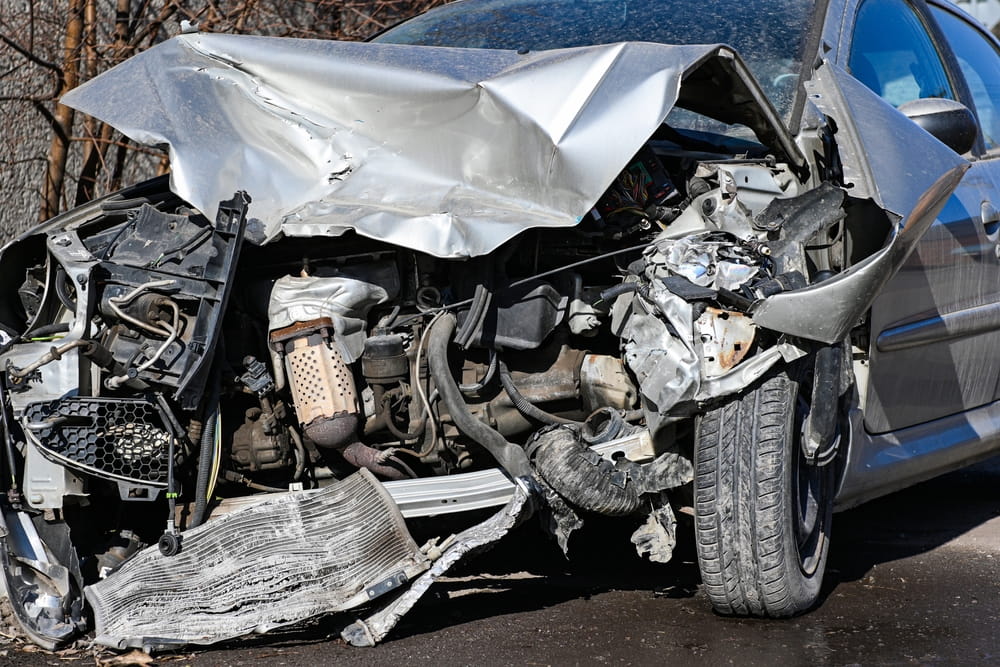
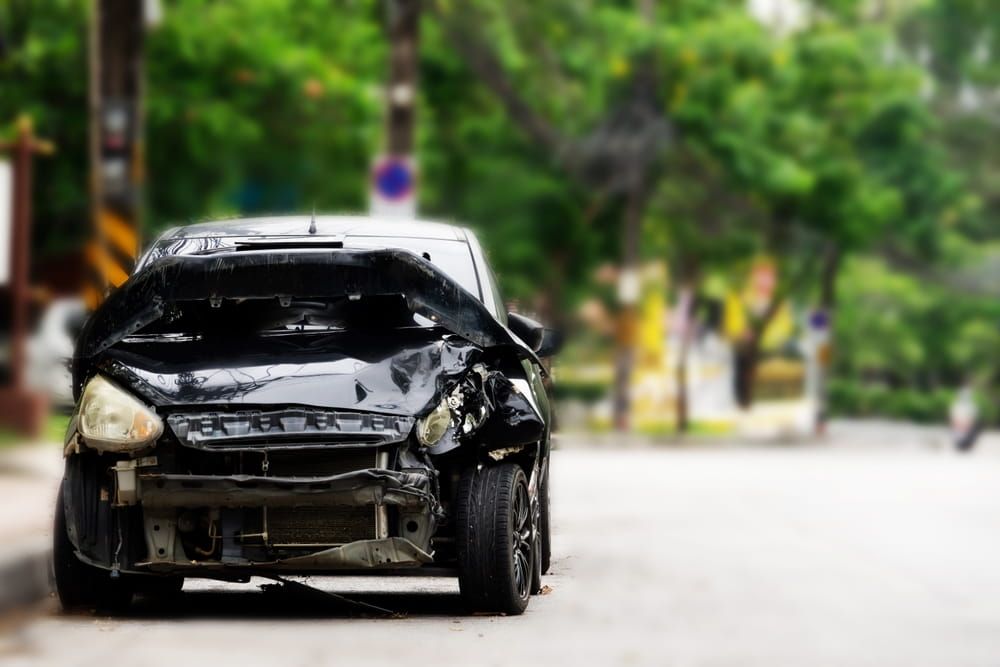
When an insurer determines that your car is a total loss, it is not saying the vehicle cannot be repaired. Instead, it means that the cost of repairs, when combined with the car’s salvage value, exceeds what the insurer believes the vehicle was worth before the accident.
At that point, the claim shifts entirely. Rather than paying for repairs, the insurance company offers a lump sum based on what is known as the vehicle’s actual cash value, or ACV. This number becomes the most important—and often the most disputed—part of the claim.
Under Washington law, insurers are required to follow specific guidelines when making this determination. But even when those rules are followed, the outcome can still feel inaccurate if the underlying valuation does not reflect real-world conditions.
What Should I Do If My Total Loss Offer Is Too Low?
If your insurance company’s total loss offer feels too low, the first thing to understand is that you are not required to accept it. A total loss valuation is simply the insurer’s assessment—it is not final, and it may not fully reflect your vehicle’s true market value in Olympia.
You are not required to accept a total loss offer if it does not reflect your vehicle’s true market value.
Can You Negotiate a Total Loss Settlement?
Total loss settlements are negotiable, and many initial offers are adjusted when supported by accurate local data and documentation.
Start by requesting a copy of the valuation report used to calculate the offer. This report should show the comparable vehicles, condition ratings, and adjustments applied to your car. Reviewing it closely is critical, because even small errors—such as incorrect mileage, missing features, or out-of-area comparables—can significantly reduce the final number.
As you review the report, compare it to what you are seeing in the local market. If similar vehicles in Olympia or Thurston County are listed at higher prices, that difference can support a stronger valuation. Maintenance records, repair receipts, and photos can also help demonstrate that your vehicle was in better condition than the insurer assumed.
Once you have identified any discrepancies, you can submit a counteroffer. This is typically done by presenting a revised value supported by local comparables and documentation. In many cases, insurers will reconsider their position when presented with clear, well-supported information.
However, there are situations where the process becomes more difficult. If the insurance company refuses to correct obvious errors, continues to rely on inaccurate data, or the financial difference is significant, it may be time to speak with an attorney. Legal guidance can be especially helpful if the total loss dispute is tied to a larger accident claim, involves communication issues, or is creating financial strain due to an outstanding loan or replacement costs.
Taking a structured approach—reviewing the report, gathering evidence, and knowing when to escalate—can make a meaningful difference in whether your final settlement reflects the true value of your vehicle.
Why Actual Cash Value Is So Often Contested
Actual cash value (ACV) is the amount your car was worth immediately before the accident.
The concept of actual cash value sounds straightforward. In theory, it represents what your car would have sold for immediately before the accident. In practice, however, arriving at that number involves a series of assumptions and automated calculations.
Most insurance companies rely on third-party valuation systems. These systems gather comparable vehicle listings, apply adjustments for mileage and condition, and factor in depreciation. The process is efficient, but it is not always precise.
For example, a valuation tool might pull comparable vehicles from outside Washington, where prices are lower. It may assign your car a generic “average” condition rating, even if you have carefully maintained it. It may also overlook recent repairs, upgrades, or features that add meaningful value.
Individually, these issues may seem minor. Together, they can produce a number that is significantly below what it would actually cost to replace your vehicle in Olympia.
Why Your Total Loss Offer May Be Too Low
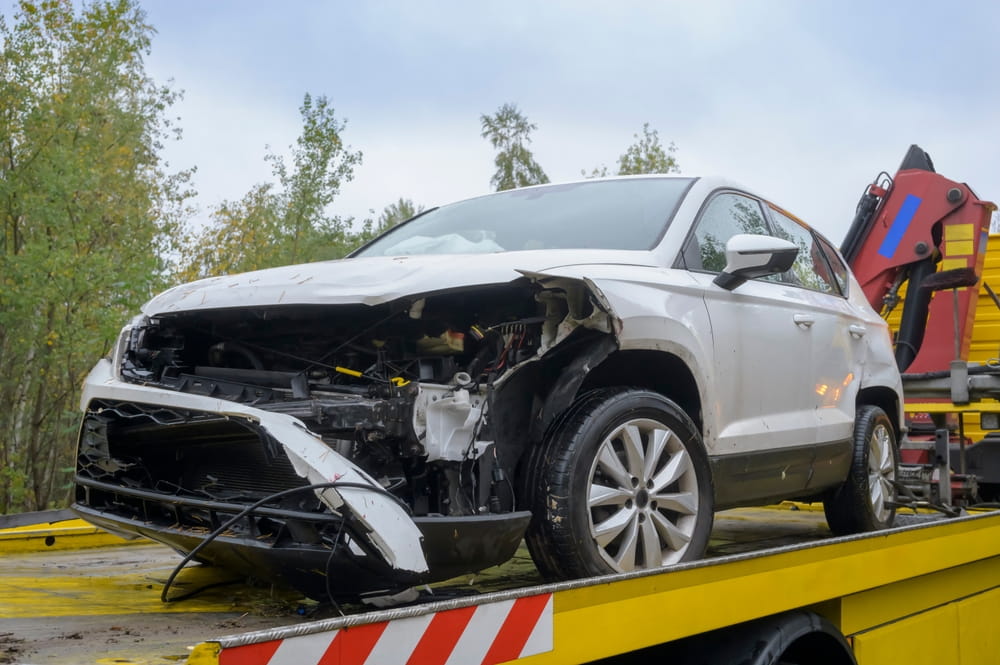
A low total loss offer is rarely the result of a single error. More often, it reflects a pattern of small inaccuracies that compound over the course of the valuation.
Insurance companies often undervalue total loss claims by using non-local comparables or incorrect vehicle data.
In some cases, the problem lies in the comparable vehicles used. If those listings come from distant markets or do not closely match your car’s trim level and features, the resulting value will be skewed. In other cases, the issue is more subtle, such as a condition rating that does not reflect the true state of your vehicle.
There is also a structural factor at play. Valuation systems are designed to produce consistent results across large numbers of claims. That consistency can come at the expense of accuracy in individual cases, particularly when a vehicle falls outside “average” assumptions.
For Olympia drivers, this gap is often felt most strongly when local market conditions are ignored. Vehicle availability, regional demand, and even seasonal trends can all influence price. A valuation that does not account for those factors may leave you with a payout that does not match replacement cost.
Signs Your Total Loss Offer Is Too Low
Not every total loss claim leads to a dispute, but there are situations where a closer review is clearly warranted.
One of the most common indicators is a mismatch between the insurer’s offer and what you are seeing in the market. If similar vehicles in Olympia are consistently priced higher, that is a signal that something may be off.
Other times, the issue becomes apparent when reviewing the valuation report itself. Missing features, incorrect mileage, or an inaccurate trim level can all reduce the final number. Even a small discrepancy in one category can ripple through the calculation and significantly affect the outcome.
There is also a more intuitive element. Many drivers have a strong sense of their vehicle’s value based on how they have maintained it and what they have invested in it over time. When the offer does not align with that understanding, it is worth taking the time to investigate.
How to Approach a Total Loss Dispute Strategically
Challenging a total loss valuation does not require confrontation, but it does require preparation. The most effective approach is to treat the process as a matter of documentation and clarity.
The first step is to obtain the insurer’s valuation report. This document provides a detailed breakdown of how the offer was calculated, including the comparable vehicles used and the adjustments applied. Without it, it is difficult to identify where the valuation may have gone wrong.
Once you have the report, the next step is to review it carefully. Look for inconsistencies in mileage, condition, and features. Compare the listed vehicles to your own. Ask whether they truly represent comparable options available in Olympia.
From there, the focus shifts to building your own case. This often involves gathering local listings that more accurately reflect your vehicle, along with any records that demonstrate its condition and maintenance history. Photos, receipts, and service documentation can all play a role in showing that your car was worth more than the insurer’s initial estimate.
The final step is to present a counteroffer. This does not need to be adversarial. In many cases, a clear, well-supported explanation of the discrepancies is enough to prompt the insurer to adjust its position.
The Role of the Olympia Market in Vehicle Valuation
One of the most overlooked aspects of total loss claims is the importance of location. Vehicle values are not uniform across the country, and Olympia has its own market dynamics that can influence pricing.
For example, demand for reliable, all-weather vehicles can be higher in this region. Inventory levels may also be more limited, particularly for certain makes and models. These factors can drive prices upward in ways that national valuation tools do not fully capture.
When an insurer relies on out-of-area comparables, the result is often a number that reflects a different market entirely. This is one of the key reasons why local evidence is so important when disputing a valuation.
When a Loan Complicates the Situation
If you still owe money on your vehicle, a total loss can create an additional layer of complexity. When the insurance payout is less than the remaining loan balance, the difference becomes your responsibility.
This situation, often referred to as negative equity, can be financially challenging. Gap insurance may help bridge that gap, but it does not change the underlying valuation. It simply covers the shortfall after the insurer’s payment.
That makes the accuracy of the ACV even more important. A higher valuation can reduce or eliminate the gap, easing the financial impact of the loss.
Deciding Whether to Keep a Totaled Vehicle
In some cases, drivers choose to retain their vehicle rather than surrender it to the insurer. This option can make sense when the damage is limited or when the owner has a specific reason for keeping the car.
However, it comes with trade-offs. The insurer will deduct the salvage value from the payout, resulting in a lower settlement. The vehicle will also typically receive a salvage title, which can affect its resale value and future insurability.
This decision is less about right or wrong and more about weighing long-term implications.
The Real-World Impact of a Total Loss
Beyond the financial aspects, a total loss can disrupt daily life in ways that are easy to underestimate. Losing a vehicle affects how you get to work, manage family responsibilities, and maintain your routine.
There is also a time pressure that comes with the situation. The need to replace a vehicle quickly can make it tempting to accept an offer without fully reviewing it. That urgency is understandable—but it is also where many people lose value.
Taking a step back to evaluate the offer carefully can make a meaningful difference.
Frequently Asked Questions About Total Loss Disputes in Washington State
Do I have to pay sales tax and fees out of my total loss settlement?
No. In Washington, your total loss payout should include applicable sales tax and certain fees so you can purchase a comparable replacement vehicle, not just the base value of your car.
What happens if I disagree with the insurance company after negotiations fail?
If negotiations stall, you may have options such as filing a complaint with the Washington State Office of the Insurance Commissioner or pursuing a formal dispute resolution process depending on your policy.
Can my insurance company deduct prior damage from my total loss payout?
Yes. Insurers may reduce your settlement if they can show pre-existing damage affected your vehicle’s value, but those deductions must be reasonable and supported by evidence.
Will I still receive compensation if the other driver caused the accident?
Yes. If another driver was at fault, their insurance is typically responsible for the total loss payout, although your own policy may still be used initially depending on the situation.
How long does it take to settle a total loss claim in Washington?
Most total loss claims are resolved within a few weeks, but disputes over valuation can extend the timeline depending on how quickly evidence is gathered and negotiations progress.
When It Makes Sense to Get Help
Not every total loss dispute requires outside assistance, but there are situations where it can be helpful.
If the valuation contains clear errors that the insurer refuses to correct, or if the financial difference is significant, having someone review the claim can provide clarity. This is especially true when the total loss is part of a larger accident case involving injuries or other damages.
In those situations, the focus is not just on the number—it is on making sure the process is handled correctly from start to finish.
Moving Forward After a Total Loss Dispute
A total loss claim should leave you in a position to move forward—not one where you are struggling to make up the difference. Achieving that outcome often requires a combination of awareness, documentation, and persistence.
By understanding how valuations are calculated, recognizing potential inaccuracies, and taking a structured approach to challenging them, you can improve your chances of reaching a fair resolution.
In Olympia and throughout Washington, total loss disputes are not unusual. What matters is how you respond when the numbers do not add up.
When to Call a Lawyer after a Total Loss Car Accident
When an insurance company’s valuation doesn’t reflect your vehicle’s true worth, taking the time to question, verify, and respond can make the difference between settling for less and securing a payout that actually matches your loss.
If you’re dealing with a total loss dispute in Olympia and aren’t sure whether the offer is fair, it may help to have your situation reviewed. Boohoff Law, P.A. works with clients to evaluate insurance valuations, identify potential issues, and provide guidance on next steps. Speaking with a team that understands these claims can give you a clearer picture of your options before making a decision.