No Fees
Unless We Win
Millions Recovered!
Olympia Amazon Delivery Truck Accident Lawyer
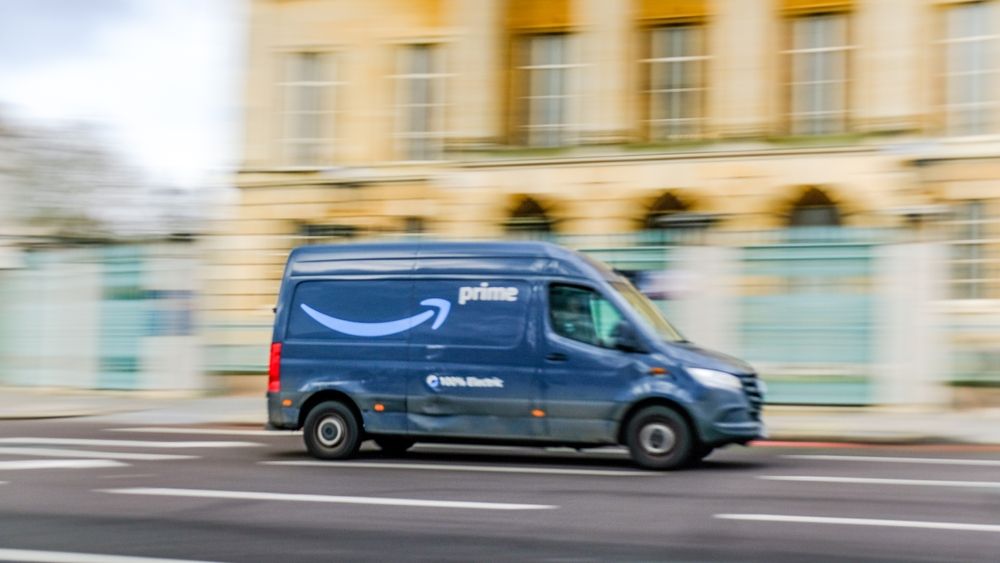
Amazon delivery vans are a constant presence on Olympia and Thurston County streets, moving quickly to meet strict delivery schedules. When one causes a crash, determining who is legally responsible becomes complicated. Amazon’s use of Delivery Service Providers (DSPs) and app-directed drivers means liability and insurance can extend to the driver, the DSP contractor, and Amazon itself.
Available 24/7
Our specialists are here to listen and help for free, no strings attached.
877-999-9999
for a free consultation
Key Takeaways for Olympia Amazon Delivery Accidents
- Amazon uses Delivery Service Provider (DSP) contractors to avoid direct liability, but Amazon’s operational control over drivers creates multiple paths to hold the corporation accountable.
- Active lawsuits and regulatory investigations in multiple states challenge Amazon’s classification of DSP and Flex drivers as independent contractors, with potential impacts on liability and compensation.
- Successful cases typically involve all three parties—the driver, the DSP contractor, and Amazon—in a lawsuit designed to access layered insurance coverage and increase compensation.
- Amazon’s delivery app, performance monitoring, termination authority, and quota pressure demonstrate control that may defeat independent contractor defenses.
- Residential backing accidents, stop sign violations from delivery pressure, and distracted driving while using scanners represent common Amazon delivery accident patterns in delivery contexts.
Why Choose Boohoff Law for Your Olympia Amazon Delivery Accident
 Amazon delivery accidents require legal knowledge beyond typical car crash cases. The contractor structure, independent-contractor defenses, and multiple insurance layers require attorneys experienced with Amazon’s model and able to litigate against a well-funded defense.
Our Amazon Delivery Accident Experience
- Deep understanding of Amazon’s DSP contractor program and operational control over drivers
- Experience holding corporations accountable despite independent-contractor defenses
- Resources to litigate against well-funded corporate defendants through discovery and trial
- Multi-defendant strategies targeting the driver, DSP contractor, and Amazon simultaneously
- Experience accessing all insurance layers: driver policies, DSP commercial coverage, and Amazon corporate insurance
- Local Olympia presence serving Thurston County residents injured by Amazon delivery negligence
- Free consultations to evaluate your Amazon delivery accident claim
- Contingency fee basis—you pay nothing unless we win your case
Contact Boohoff Law 24/7 at (877) 999-9999 or contact us online to discuss your Amazon delivery accident case.
Understanding Your Amazon Delivery Accident Compensation
Amazon delivery accidents may result in significant injuries requiring compensation beyond what small contractor policies provide. Accessing Amazon’s corporate resources requires understanding all potentially liable parties and available insurance coverage.
Factors Affecting Your Claim Value
Compensation depends on injury severity, medical needs, lost income, long-term disability, and which defendants bear liability. Serious delivery accidents like pedestrian collisions, backing crashes, and high-speed impacts may involve substantial damages.
Types of Compensation Available
Wrongful death claims under RCW 4.20.010 and personal injury cases may include medical expenses, lost wages and future earning capacity, pain and suffering, loss of enjoyment of life, property damage, and permanent disability costs. When delivery quotas contribute to unsafe driving, compensation covers both immediate and long-term impacts.
How We Build Your Amazon Case
We pursue all liable parties and insurance sources to increase your recovery using the following strategies:
- File parallel claims against the driver, DSP, and Amazon
- Identify and tender all insurance layers (personal, commercial, excess)
- Preserve and analyze delivery-app data, routing, and performance metrics
- Use apparent agency and operational control evidence to reach Amazon
- Retain experts on human factors, fleet safety, and damages
Legal determinations about DSP driver classification and associated liability vary by jurisdiction and evolve rapidly. Our team stays current on developing case law, regulatory changes, and ongoing litigation challenging Amazon’s delivery model. We recommend consulting local counsel for up-to-date analysis specific to your situation.
The Evolving Legal Landscape for Amazon Delivery Liability
The legal framework surrounding Amazon’s delivery network continues to develop through litigation and regulatory action nationwide. Recent lawsuits in states including New Jersey allege that Amazon misclassified delivery drivers as independent contractors, denying them employee benefits and protections under labor laws. These challenges argue that Amazon’s operational control—through delivery apps, performance monitoring, route dictation, and termination authority—creates an employment relationship despite contractual labels.
Federal and state labor agencies have begun scrutinizing the gig economy delivery model, examining whether companies exercise sufficient control over workers to trigger employer responsibilities. Workers’ rights advocates and plaintiffs’ attorneys nationwide continue challenging Amazon’s delivery practices through class actions and mass arbitration addressing driver pay, working conditions, safety standards, and employment classification. These ongoing legal developments may affect how courts evaluate liability in personal injury cases arising from Amazon delivery accidents.
Olympia and Thurston County Amazon Delivery Accident Context
Amazon’s DuPont fulfillment center, about 25 miles north of Olympia, generates heavy delivery traffic throughout Thurston County. West Olympia residential neighborhoods, Lacey apartment complexes, and Tumwater suburban streets see constant Amazon Prime vans rushing to meet delivery quotas.
Local Amazon Delivery Accident Patterns
Olympia’s residential areas experience collision patterns commonly observed in delivery contexts:
- Backing collisions during rushed departures from driveways
- Rolling stop-sign violations at neighborhood intersections
- Scanner/app distraction while navigating unfamiliar streets
- Parking-lot crashes in shopping centers and apartment complexes
Federal regulators and safety researchers have identified delivery-app distraction as a material safety hazard, with apps requiring constant driver interaction for routing, package confirmation, and performance tracking while vehicles are in operation. These design features create documented risks that reduce driver focus and increase crash likelihood.
Olympia-Specific Factors
State government office buildings around the Capitol generate business deliveries. I-5 entrance and exit ramps require delivery vans to merge into freeway traffic. Residential areas near Woodland Trail and in West Olympia experience high delivery density, increasing backing accident risks where children play.
Key corridors for Amazon delivery traffic include:
- Pacific Ave SE, Martin Way E, and Capitol Way
- I-5 ramps near Sleater-Kinney Rd and US-101 junctions
- Residential areas near Woodland Trail and West Olympia
Washington State Laws Governing Amazon Delivery Accidents
Washington follows comparative negligence rules that allow recovery even if you share some fault, with damages reduced by your percentage of responsibility. The three-year statute of limitations under RCW 4.16.080 requires prompt action after Amazon delivery accidents. RCW 46.61.520 addresses criminal liability when drivers cause death through reckless or impaired operation.
Benefits of Local Olympia Representation
Thurston County Superior Court juries understand local neighborhoods and Amazon’s delivery presence. Local attorneys know dangerous intersections, residential traffic patterns, and community concerns about delivery driver safety. Olympia juries sympathize with individual residents facing trillion-dollar corporations, creating favorable settlement dynamics.
Common Types of Amazon Delivery Accidents in Olympia
 Amazon’s business model pressures drivers to deliver 200+ packages in 10-hour shifts—roughly 20 packages per hour, giving just three minutes per stop, including driving. This quota pressure creates predictable accident patterns throughout Olympia.
Backing Accidents in Residential Driveways
Amazon drivers backing out of Olympia driveways may strike parked cars, pedestrians, mailboxes, and playing children. Drivers check their scanners for the next delivery address instead of checking blind spots. Amazon’s delivery app requires drivers to photograph package placement and confirm delivery while vehicles remain in driveways, creating a distraction. Residential backing accidents represent a common collision type in suburban delivery operations.
Stop Sign and Traffic Control Violations
Some delivery drivers roll through stop signs in West Olympia and Lacey neighborhoods, treating residential streets as through-routes. Meeting Amazon’s delivery rate expectations requires cutting seconds at every intersection. Stop sign violations cause T-bone collisions at neighborhood intersections where families expect traffic to stop.
Distracted Driving Collisions
Amazon’s delivery app dictates routes, displays next stops, requires delivery confirmation photos, and tracks performance metrics—demanding constant driver interaction while operating vehicles. Drivers checking scanners while driving may cause rear-end collisions, run red lights, drift into oncoming traffic, and strike pedestrians in crosswalks. The app’s design creates an inherent distraction that Amazon’s training doesn’t adequately address.
Speeding Through Residential Areas
In 25 mph residential zones, delivery-rate pressure can lead some drivers to speed. Amazon’s algorithm calculates delivery windows assuming constant movement without safety margins for traffic or delays. Drivers speed through Olympia neighborhoods where children ride bikes and families walk dogs, creating catastrophic pedestrian collision risks.
Parking Lot Accidents
Shopping centers in Lacey and Tumwater, apartment complexes throughout Thurston County, and business parking lots see Amazon vans backing without checking, striking parked vehicles and fleeing, or colliding with shoppers walking to their cars. Drivers distracted by scanners fail to yield, may hit pedestrians near store entrances, and sometimes cause property damage and then leave without exchanging information.
Pedestrian and Cyclist Collisions
Olympia’s walkable neighborhoods and bike-friendly streets create pedestrian and cyclist traffic that rushing Amazon drivers endanger. Backing accidents near mailboxes and porches strike people retrieving packages. Drivers failing to yield in crosswalks hit pedestrians crossing Capitol Way and Harrison Avenue. Cyclists on neighborhood streets suffer serious injuries when distracted drivers drift into bike lanes.
Fighting Insurance Companies After Amazon Delivery Accidents
 Amazon’s corporate structure complicates insurance claims, with multiple entities denying responsibility and pointing to each other.
Why Amazon Delivery Accident Claims Are Complex
Several factors create obstacles for victims seeking fair compensation:
- The Amazon/DSP independent-contractor structure complicates vicarious liability
- Drivers often have only minimum personal limits
- DSPs carry commercial policies but may have limited assets
- Amazon maintains excess/umbrella coverage that is triggered in limited scenarios
- Adjusters may push quick, low settlements from the smallest policy first
DSP contractors typically maintain day-to-day supervision over drivers, including hiring, scheduling, and direct oversight. However, Amazon exerts substantial operational control through delivery apps dictating routes and timing, performance monitoring systems tracking metrics, delivery quotas establishing productivity expectations, and contractual termination authority over DSP relationships. This dual-control structure impacts liability theories by weakening Amazon’s independent contractor defense while maintaining DSP employer responsibilities.
Amazon contracts generally require DSPs to maintain commercial liability insurance, typically with $1 million minimum coverage. However, actual policy limits and DSP financial strength vary considerably across contractors. Many DSPs operate as small businesses with limited assets beyond required insurance, which may affect total available recovery in cases involving catastrophic injuries.
How We Protect Your Rights and Strengthen Your Claim
We immediately investigate to identify all liable parties and insurance policies. Our evidence-gathering process includes:
- Photographing branding, scene, and damage; securing police reports and witnesses
- Demanding delivery-app route logs, timestamps, quota data, and performance data
- Obtaining DSP contracts, training, hiring, and supervision records
- Using experts to link operational pressures to crash causation
Discovery reveals Amazon’s operational control through DSP contracts, delivery app requirements, performance monitoring systems, and termination authority. We file claims against all three defendants—driver, DSP, and Amazon—simultaneously, preventing insurance companies from deflecting responsibility.
What to Do After an Amazon Delivery Accident in Olympia
After urgent medical needs are addressed, take these steps to protect your legal rights:
- Follow all medical advice and track symptoms and limitations
- Document bills, records, lost work, expenses, and a recovery journal
- Preserve photos, vehicle damage, scene evidence, and witness contacts
- Avoid recorded statements and quick settlements without counsel
- Contact an attorney promptly to preserve app and DSP records
These cases involve complex corporate structures and require immediate investigation. Evidence disappears as time passes—Amazon’s delivery app data gets deleted, driver performance records become unavailable, and witnesses’ memories fade.
FAQ for Olympia Amazon Delivery Accidents
You can sue Amazon despite the driver being labeled an independent contractor. Amazon exercises substantial operational control over delivery drivers through branded vehicles, the required delivery app dictating routes and timing, performance monitoring, delivery quotas, and termination authority over DSP contracts.
This control creates vicarious liability based on apparent agency (the public reasonably believes drivers are Amazon employees), joint employer doctrine (Amazon and DSP share control), and direct negligence (Amazon’s quota system creates inherently dangerous conditions). Successful cases may sue all three—driver, DSP, and Amazon—to access all insurance layers.
Amazon Delivery Service Providers (DSPs) are small businesses that contract with Amazon to deliver packages. DSPs hire drivers, lease Amazon-branded vehicles, and operate under Amazon’s strict requirements. Amazon claims DSPs are independent contractors to avoid liability, but Amazon’s control over DSP operations—through delivery apps, performance metrics, termination authority, and operational mandates—weakens this defense.
Your case benefits from suing both the DSP (as the driver’s direct employer) and Amazon (based on operational control), accessing DSP commercial insurance and Amazon’s corporate coverage.
Amazon is more likely to settle with trial-ready counsel and tends to resist claims when counsel will not litigate. Their legal team is sophisticated, but juries dislike trillion-dollar corporations hiding behind contractors while profiting from rushed delivery that causes neighborhood accidents.
Olympia juries sympathize with local residents injured by out-of-control corporate practices prioritizing speed over safety. Amazon’s deep pockets and national reputation create settlement pressure when facing trial-ready attorneys with strong evidence of operational control and delivery quota dangers.
Through preservation letters, subpoenas, and discovery requests directed to Amazon and the DSP. Some data is kept only for limited periods, so early legal holds are critical to prevent routine deletion. Delivery app data shows routing, timing requirements, performance pressures, and scanner usage that proves Amazon’s control and explains crash causation. Immediate attorney involvement preserves this crucial evidence before it disappears.
Claims may still reach Amazon based on operational control and apparent agency. We may also pursue the driver’s personal policy and any Amazon-provided contingent or excess coverage applicable to Flex deliveries. Amazon Flex drivers operate under similar app-directed control, creating the same liability theories despite using personal vehicles. The Amazon branding and operational requirements create apparent agency regardless of vehicle ownership.
Police reports, nearby cameras, delivery-app timestamps, GPS, and package scans can identify the vehicle and route. Uninsured/underinsured motorist coverage may also apply while we pursue Amazon/DSP records. A hit-and-run does not end Amazon’s potential liability; the delivery app tracks stops, and scan records can identify which driver served the address. Your own insurance’s uninsured motorist coverage provides immediate compensation while we identify and pursue all responsible parties.
We open claims with all available carriers at once to prevent finger-pointing delays and preserve access to all coverage layers. Simultaneous claims prevent each insurer from denying responsibility while waiting for others to act. This multi-party approach accesses driver personal insurance, DSP commercial policies, and Amazon’s corporate coverage without allowing any defendant to hide behind the others.
Talk to a Seattle Amazon truck accident lawyer while the records still exist

Boohoff Law takes Amazon delivery cases across King County, from Georgetown and SODO to Kent and the east side, and we start with the part of the case that has a clock on it. Tatiana Boohoff’s team works these files in one order: name every company in the delivery chain, then argue about fault.
You do not need to have anything organized before you reach out. A date and a street corner is enough for us to start, and the company currently telling you this is not their problem does not get a say in whether we look.
Call +1 (877) 999-9999. Someone answers at any hour, and nothing about that conversation costs you anything.

Recovery is personal.

We’re here for you.
We’re close by. And if you can’t make it to us, we’ll meet you where you need us, at home or in the hospital.






© 2025 Boohoff Law, P.A. — Auto Accident Lawyers.
The information on this website is for general information purposes only. Nothing on this site should be taken as legal advice for any individual case or situation. This information is not intended to create, and receipt or viewing does not constitute, an attorney-client relationship.
Disclaimer: The results and testimonials presented on this website are based on the unique facts and circumstances of each case. Past results do not guarantee or predict similar outcomes in future cases. Every legal matter is different, and you should not rely on prior case results as an expectation of future performance.
