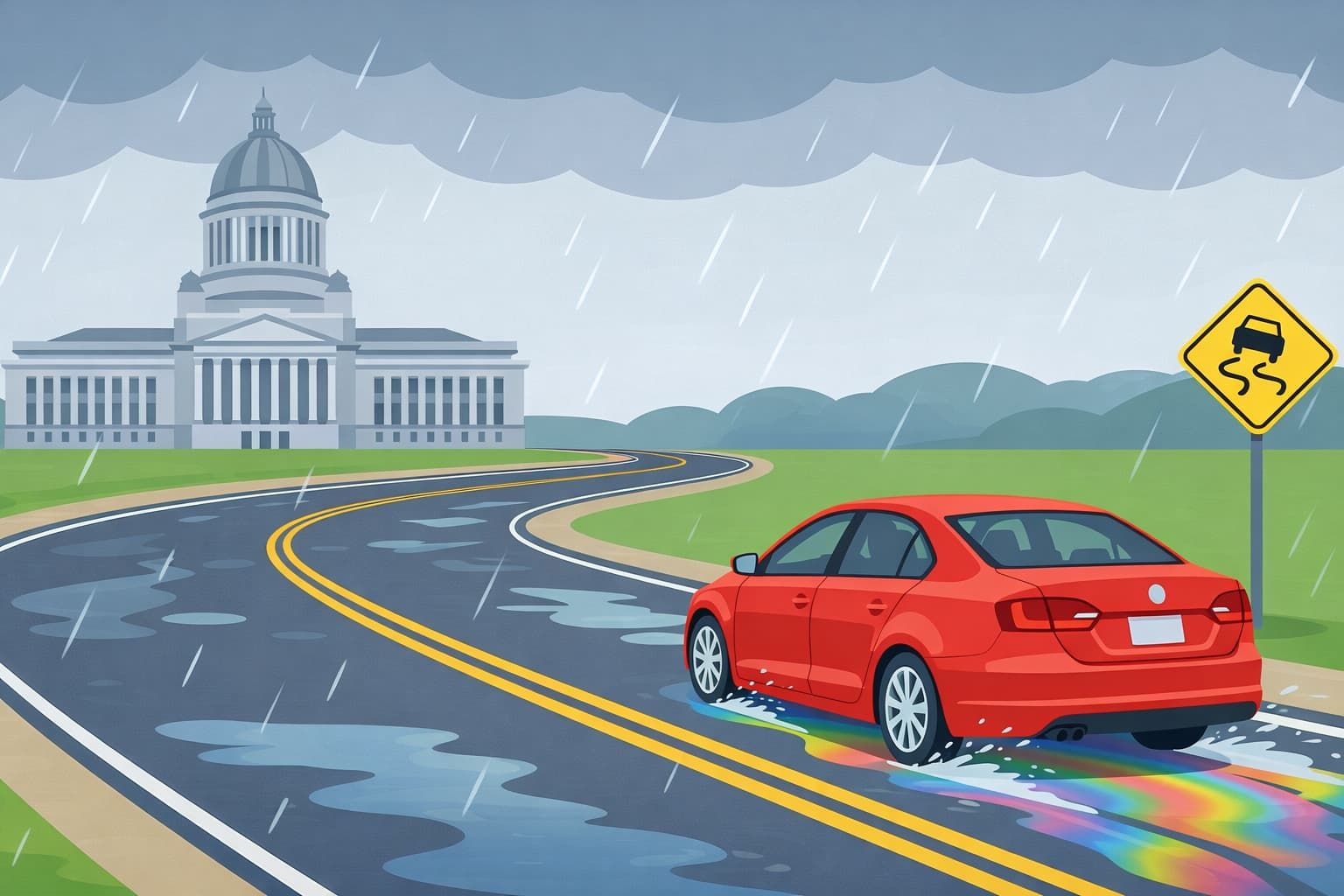
Flat vector illustration of a red car driving on a rain-soaked curved road with an oil-slick sheen, approaching the Washington State Capitol under stormy skies.

Car Accidents After Rain: Oil Buildup Liability and Road Maintenance Failures in Thurston County?

A sudden downpour in Thurston County is a familiar sight, but the danger on our roads during the first few minutes of rain is often misunderstood. When a car loses control on a slick surface, it’s easy to assume it’s just an unfortunate part of driving in the Pacific Northwest.

However, the cause of car accidents after rain can sometimes be traced back to hidden hazards like oil buildup and neglected road maintenance. In these complex situations, responsibility may extend beyond the drivers involved to the public entities tasked with keeping our roads safe.

Hurt in a post-rain crash? A knowledgeable Olympia car accident lawyer can identify hidden liability—contact us today for a free consultation.

Get A Free Consultation

Key Takeaways about Car Accidents after Rain

  • The first rainfall after a dry spell is often the most dangerous for drivers, as it lifts accumulated oil and grime to the road’s surface, creating a slick film.
  • Under Washington law, government agencies can be held accountable for injuries that happen due to poorly maintained or designed roads.
  • Liability for a crash on a wet road might involve multiple parties, including other drivers and the entity responsible for road upkeep.
  • A thorough investigation into a rain-related accident may involve reviewing county or state road maintenance records, accident history for that location, and road design plans.
  • Hydroplaning, where tires lose contact with the road surface, is a frequent cause of car accidents after rain and can be worsened by drainage issues or road defects.

The Hidden Danger: Why Are Roads So Slippery After It Rains?

Flat vector illustration of a red car driving on a rain-soaked curved road with an oil-slick sheen, approaching the Washington State Capitol under stormy skies.

We’ve all felt that moment of caution when the first raindrops begin to fall. The reason for this increased risk goes deeper than just water on the pavement. During dry periods, whether for a few days or a few weeks, our roads in Olympia, Lacey, and across Thurston County accumulate a variety of slippery substances. When the rain finally arrives, it doesn’t immediately wash these materials away. Instead, it mixes with them, creating a slick, greasy film that dramatically reduces tire traction.

This phenomenon is especially pronounced during the first 15 to 30 minutes of a storm. Think of it like a freshly polished floor—it might look fine, but it offers very little grip. This is when the risk of hydroplaning is at its peak. Hydroplaning occurs when a layer of water builds up between your tires and the road surface, causing you to lose steering and braking control. Your car is essentially skimming on water.

The buildup on the road is a cocktail of different materials left behind by thousands of vehicles. Some of the most common contaminants include:

  • Engine oil and grease: Small, slow leaks from cars add up over time.
  • Antifreeze and other fluids: Coolant and transmission fluid can also drip onto the asphalt.
  • Tire and brake dust: Tiny particles of rubber and metal settle on the road.
  • Gasoline and diesel fuel: Spills at intersections or from vehicles contribute to the slickness.

These substances are all lighter than water, which is why they rise to the surface and create such a hazardous condition until a heavier, more prolonged rainfall can wash them away.

When the Road Itself Is the Problem: Road Maintenance Failures in Washington

Drivers have a responsibility to adjust their speed and driving habits for wet conditions. But what happens when the road itself is unreasonably dangerous? In Washington, public agencies have a duty to design, build, and maintain roads that are reasonably safe for ordinary travel. This means that entities like the Washington State Department of Transportation (WSDOT) or Thurston County Public Works can be held responsible if their failure to maintain a road contributes to a collision.

Washington state law, including statutes like RCW 36.75.010 , which outlines the authority of county governments over roads, establishes that these bodies must address known hazards. If they knew, or should have known, about a dangerous condition and failed to take reasonable steps to fix it, they may bear some responsibility for accidents that occur as a result.

Investigating these types of car accidents after rain requires looking for signs that the road’s condition, not just the weather, was a significant factor. Examples of road maintenance failures include:

  • Poor Drainage: Roads that are improperly graded or have clogged drains can cause water to pool, creating deep puddles that are a prime cause of hydroplaning.
  • Worn-Out Surfaces: An old, polished road surface, known as “bleeding asphalt,” can become extremely slick when wet, offering almost no traction.
  • Unrepaired Damage: Potholes, deep cracks, and significant ruts can fill with water, hiding a serious hazard from an approaching driver.
  • Lack of Proper Signage: Failure to post “Slippery When Wet” signs in areas with a known history of rain-related accidents can also be a form of negligence.

Identifying these issues is crucial, as they can shift the focus from driver error to a preventable failure on the part of the authorities responsible for our public roadways.

Investigating a Car Accident After Rain: Who Is Responsible?

Determining who is at fault after a crash in the rain is rarely straightforward. While one driver may have lost control, the underlying reason could be a combination of factors. Washington follows a “comparative fault” rule. In simple terms, this means that more than one party can share responsibility for an accident. If you are found to be partially at fault, you can still seek compensation, but your final award would be reduced by your percentage of fault.

For example, if another driver was speeding and you were found 10% at fault for the accident, you could still recover 90% of your damages. This principle is especially important in car accidents after rain, where a driver might have been going slightly too fast for the conditions, but a massive, unavoidable puddle caused by a clogged drain was the primary reason they hydroplaned.

To build a case involving potential road maintenance failure, a detailed investigation is necessary. This process goes far beyond a standard police report and often involves gathering specific types of evidence:

  • Scene Documentation: Photographs and videos taken immediately after the crash, showing the road surface, standing water, and any visible defects.
  • Government Records: Requesting maintenance logs, complaint records, and construction plans for that specific stretch of road from Thurston County or WSDOT.
  • Accident History: Researching whether other similar accidents have occurred at the same location, which could indicate a long-standing, known hazard.
  • Professional Opinions: Consulting with accident reconstructionists and civil engineers to analyze the road’s design, surface material, and drainage to determine if it met safety standards.

This meticulous approach helps to create a complete picture of why the accident happened and who should be held accountable for the resulting injuries and damages.

Get A Free Consultation

The Role of Oil Buildup Liability

Flat vector illustration of a rainy intersection with an oil-slicked roadway causing a car collision, traffic cones, and a clipboard documenting the scene.

The term “oil buildup liability” points to a specific and dangerous road condition. While every busy road will have some level of residue, the key legal question is whether the accumulation was excessive and created an unreasonably dangerous hazard that the responsible entity should have addressed. Proving liability for oil buildup requires showing that a government agency was negligent in its duty to maintain the road.

This often comes down to showing the agency had “notice” of the problem. This could be:

  • Actual Notice: The agency received direct complaints about the slippery condition of the road from citizens or its own employees.
  • Constructive Notice: The condition existed for such a long time that the agency should have discovered it through regular inspections and maintenance routines. For instance, if a poorly designed intersection near an industrial area is known to collect oily runoff and nothing is done to improve its drainage or surface, the county could be considered to have constructive notice.

In rare instances, a private entity could also share responsibility. If a commercial property, like a gas station or auto repair shop, negligently allows large quantities of oil or other chemicals to wash onto a public road, it might be held liable for creating a dangerous condition. However, in most cases of car accidents following rain, the focus of a road-related claim remains on the public body responsible for its upkeep.

Steps to Take After a Car Accident on a Wet Road

After you’ve received medical attention, the actions you take can be very important for protecting your well-being and any potential claim. It’s a disorienting time, but staying organized can make a significant difference.

  1. Write Down Everything You Remember. As soon as you are able, write down a detailed account of the accident. Describe the weather, the feel of the road, the visibility, and exactly what happened. Did the car slide unexpectedly? Was there a large patch of standing water? Details that seem small now may become important later.
  2. Organize Your Documents. Create a folder for everything related to the accident. This includes the police report, the information exchanged with the other driver, medical bills, receipts for prescriptions, car repair estimates, and any letters from insurance companies.
  3. Keep a Health Journal. Document your recovery process. Note your pain levels, any new symptoms, all doctor appointments, and physical limitations. Describe how your injuries are impacting your ability to work, sleep, and perform daily tasks. This journal provides a powerful, personal account of your experience.
  4. Preserve Physical Evidence. Do not throw away the shoes or clothing you were wearing during the crash. Don’t rush to get your car repaired until it has been thoroughly inspected and photographed by your insurance company and potentially by an accident reconstructionist.

Taking these steps helps create a clear and comprehensive record of the incident and its effect on your life, which is invaluable when dealing with insurance companies and legal proceedings.

Car Accidents After Rain FAQs

Here are answers to some common questions people have after being in a car accident on wet roads.

What if the police report says I was driving “too fast for conditions”?

A police officer’s opinion on a report is not the final word on liability. While you may be assigned some percentage of fault, it doesn’t prevent you from pursuing a claim, especially if other factors, like a significant road defect, contributed to the crash. Washington’s comparative fault system allows for this shared responsibility.

How long do I have to file a personal injury claim in Washington?

In Washington, the statute of limitations, or the deadline for filing a lawsuit, for most personal injury cases is three years from the date of the incident. For claims against a government entity, there are often additional, much shorter deadlines for filing an official notice of claim, so it is important to understand your rights promptly.

Can I still have a case if my tires were worn?

Yes, you may still have a case. Worn tires could lead an insurance company or jury to assign you a percentage of fault under the comparative fault rule. However, if the road condition was so hazardous that even a vehicle with new tires would have likely lost control, the liability of the party responsible for the road remains a central issue.

What kind of compensation is available in these types of cases?

If you were injured due to another’s negligence, you may be entitled to compensation for a range of damages. This can include current and future medical expenses, lost wages and diminished earning capacity, property damage to your vehicle, and non-economic damages for pain, suffering, and the emotional toll of the experience.

Do I need to tell my insurance company about a minor accident in the rain?

It is generally advisable to report any accident, even a seemingly minor one, to your insurance company. Many insurance policies require prompt reporting. Failing to report it could create issues later if the other driver decides to file a claim or if you discover you were more injured than you initially thought.

Let’s Talk About Your Case

After a car accident, you may be facing physical pain, financial stress, and uncertainty about the future. When the circumstances involve slick roads and potential maintenance issues, the path forward can seem even more complicated. You deserve to understand all of your options and have a dedicated advocate on your side.

At Boohoff Law, P.A., we are here to help you get through this. We will listen to your story, investigate the details of your case, and work relentlessly to hold the responsible parties accountable. We handle the legal process so you can focus on what matters most—your recovery.

Contact us today at (877) 999-9999 or through our online form for a free, no-obligation consultation with an Olympia personal injury lawyer to discuss your situation. There are no fees unless we win your case.
Get A Free Consultation

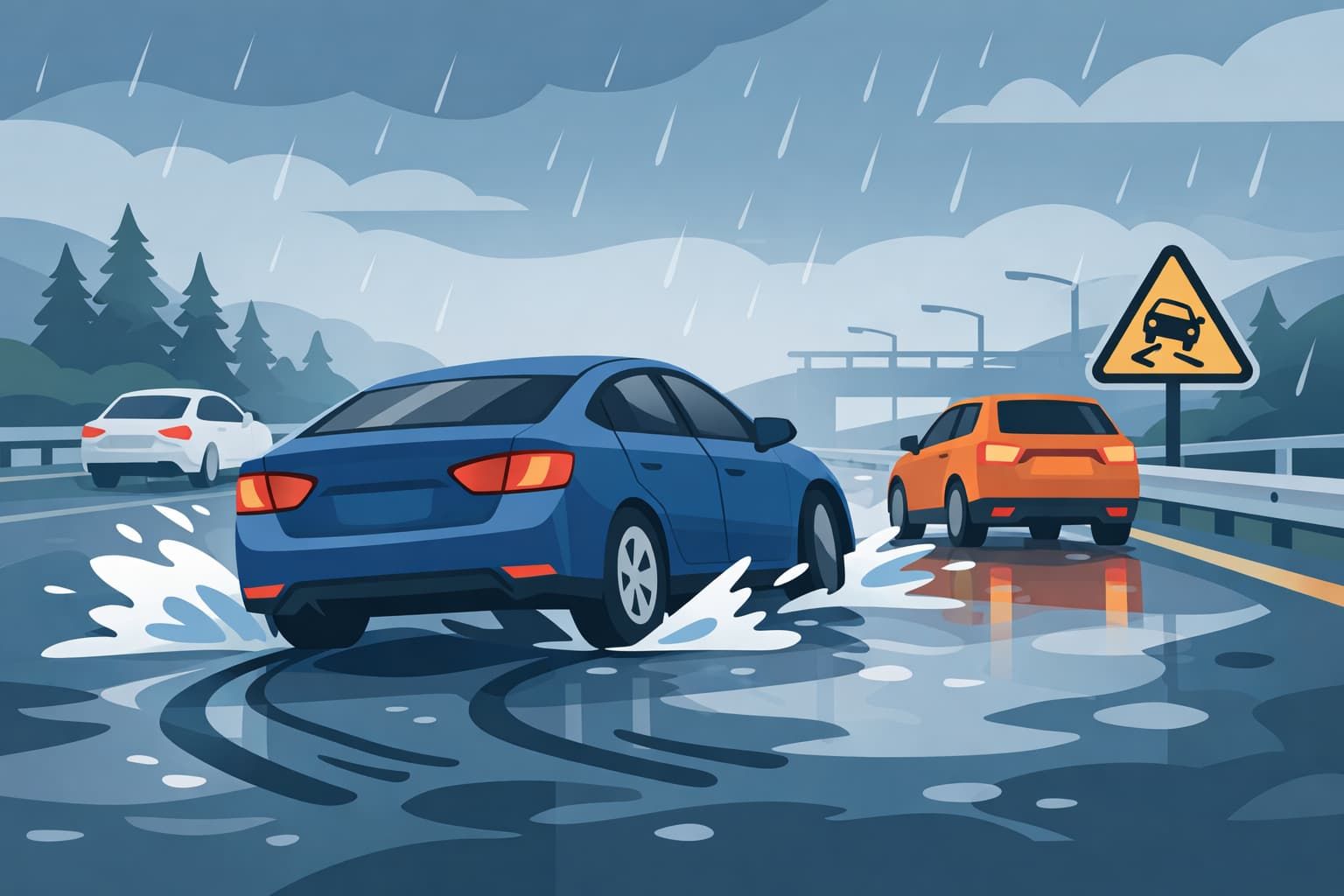
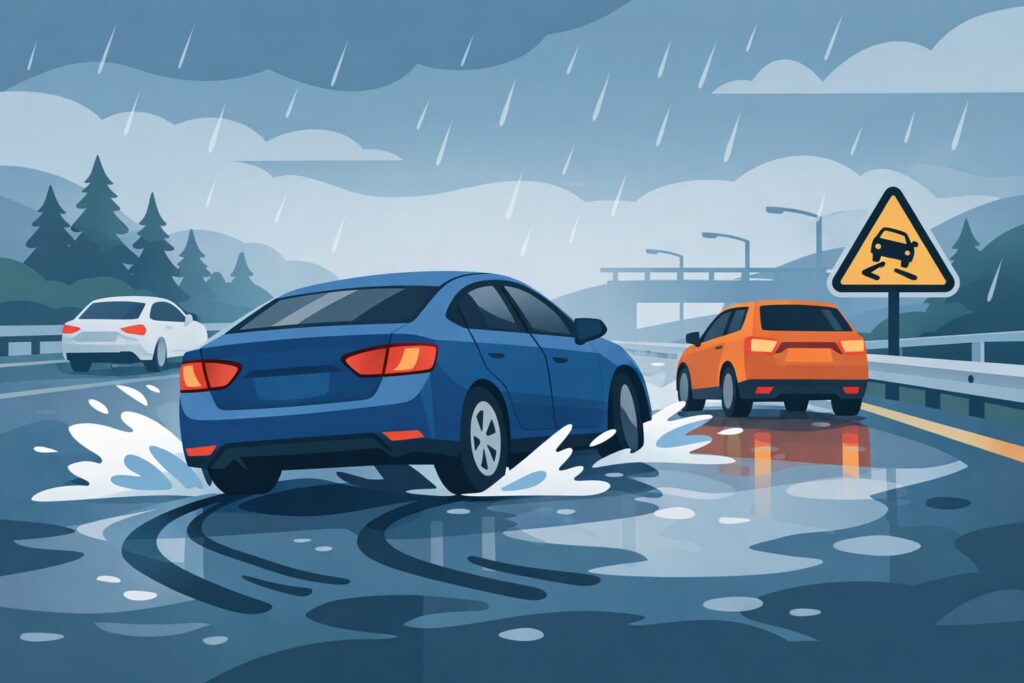
Flat vector illustration of cars hydroplaning on a rain-soaked highway, with water spray, wet pavement, and reduced traction during a storm.

Hydroplaning Car Accidents in Olympia: Is the Other Driver Always at Fault in Wet-Weather Crashes?

When the skies open up over Olympia, the familiar Pacific Northwest rain can quickly turn a routine drive into a hazardous situation. One of the most common dangers on wet roads is hydroplaning, where a vehicle’s tires lose contact with the road surface and skim across a layer of water.

If you’ve been injured in a crash involving a hydroplaning car, you might wonder who is responsible. The answer is not always straightforward; while the driver who lost control is often found at fault, this is not a guaranteed outcome. Determining responsibility in hydroplaning car accidents in Olympia depends on the specific actions of each driver and the surrounding circumstances.

Injured in a wet-road crash? An experienced Olympia car accident lawyer can help—contact us today for a free consultation.

Get A Free Consultation

Key Takeaways about Hydroplaning Car Accidents in Olympia

  • Determining fault in a hydroplaning accident involves evaluating whether a driver acted reasonably given the wet weather conditions.
  • A driver who hydroplanes can be found negligent for actions like speeding, driving on worn tires, or being distracted.
  • Washington State’s comparative fault rule allows for responsibility to be shared among multiple parties, which can affect compensation.
  • In some cases, parties other than the drivers, such as a government entity for poor road maintenance or a manufacturer for defective tires, could hold some responsibility.
  • Gathering evidence like photos, witness statements, and vehicle maintenance records is important after a wet-weather crash.
  • An experienced attorney can investigate the incident to help establish the factors that contributed to the accident.

What Exactly Is Hydroplaning?

Flat vector illustration of cars hydroplaning on a rain-soaked highway, with water spray, wet pavement, and reduced traction during a storm.

Hydroplaning, sometimes called aquaplaning, happens when a layer of water builds up between a vehicle’s tires and the road surface. This leads to a loss of traction, making it impossible for the driver to steer or brake effectively. Imagine your car suddenly becoming a boat, skimming uncontrollably across the water. It only takes a thin layer of water and a certain speed for this to occur.

Several factors can contribute to a hydroplaning incident on roads like I-5 or local streets such as Capitol Way:

  • Vehicle Speed: The faster you go, the less time the water has to be channeled away by your tire treads.
  • Tire Condition: Worn-out tires with shallow tread depth can’t grip the road properly or disperse water effectively.
  • Water Depth: Deeper standing water, common during heavy Olympia downpours, increases the risk significantly.

When a car hydroplanes, the driver essentially becomes a passenger until the vehicle slows down enough for the tires to regain contact with the pavement. This loss of control is what often leads to serious accidents.

Determining Fault in Washington State Car Accidents

To understand who is at fault in a hydroplaning crash, it’s important to know how Washington State handles accident responsibility. Our state uses a system called pure comparative fault, also known as comparative negligence.

In plain English, this means that responsibility for an accident can be divided among everyone involved. In Washington, a court will determine the percentage of fault for each person. For example, if you are found to be 10% at fault for an accident, any compensation you receive would be reduced by that 10%. This system recognizes that a crash is often the result of multiple factors and choices, not just one single mistake.

The Duty of Care in Rainy Conditions

Every driver on the road has a legal obligation, or a duty of care, to operate their vehicle in a reasonably safe manner. This isn’t a static rule; it changes with the conditions. Driving safely on a sunny, dry day is very different from driving during a storm.

In wet weather, this duty of care includes:

  • Slowing down to a speed that is safe for the conditions, which may be well below the posted speed limit.
  • Increasing the following distance between your vehicle and the one ahead.
  • Ensuring your vehicle is in good working order, with properly inflated tires that have adequate tread.
  • Remaining attentive and avoiding distractions that take your focus off the road.

A driver who fails to adjust their behavior to account for the rain may be found to have breached their duty of care. This breach is a key component of negligence.

How Negligence Is Proven in Hydroplaning Car Accidents in Olympia

Negligence is a legal term for failing to act with reasonable care, resulting in harm to another person. To prove that another driver was negligent in a hydroplaning accident, you and your legal team must generally establish four key elements:

  1. Duty: The other driver had a legal duty to operate their vehicle safely and adjust for the weather.
  2. Breach: The driver violated that duty by acting carelessly (e.g., speeding on a wet road).
  3. Causation: The driver’s careless actions directly caused the hydroplaning incident and your injuries.
  4. Damages: You suffered measurable losses as a result, such as medical bills, lost income, or pain and suffering.

Proving these elements requires a thorough investigation into the moments leading up to the crash to show that the incident was preventable.

Is the Driver Who Hydroplaned Automatically at Fault?

This is the central question for many people injured in these types of crashes. The simple answer is no—a driver who hydroplanes is not automatically considered at fault. The weather itself isn’t a person and can’t be held liable. However, a driver’s reaction to the weather, or lack thereof, is what matters.

Fault is determined by whether the driver was acting negligently when they lost control. If the driver was doing everything right—driving at a safe speed, with good tires, and paying full attention—but still hit an unavoidable patch of standing water near Capitol Lake, it might be harder to prove they were at fault. More often than not, however, hydroplaning is linked to a driver’s preventable choices.

When the Hydroplaning Driver May Be at Fault

A driver who loses control on a wet road is often found negligent because hydroplaning can usually be prevented by driving cautiously. An investigation may show that the driver was at fault if they were:

  • Driving Too Fast for Conditions: This is the most common reason for hydroplaning. A driver who fails to reduce speed on wet pavement can be held responsible.
  • Driving on Unsafe Tires: If the driver’s tires were bald, underinflated, or otherwise poorly maintained, they knowingly increased their risk of losing control.
  • Engaged in Distracted Driving: A driver who was texting, eating, or otherwise not paying attention may not have noticed standing water or dangerous conditions ahead.
  • Making Sudden Maneuvers: Abruptly turning, braking, or accelerating on a wet surface can easily trigger a hydroplane.

In these situations, the driver’s actions directly contributed to the loss of control, making them responsible for the resulting harm.

When Another Party Could Be Responsible

While the driver is often the focus, they aren’t the only party that could bear some responsibility for hydroplaning car accidents in Olympia. Sometimes, the dangerous condition itself was caused by someone else’s negligence.

Other potentially liable parties include:

  • A Government Agency: Cities, counties, or the state are responsible for designing and maintaining safe roads. If a road has improper drainage, large potholes that collect water, or a history of similar accidents that the agency failed to address, that government body could be partially or fully at fault.
  • A Tire Manufacturer: If the hydroplaning was caused by a defective tire that failed to perform as designed, the manufacturer could be held liable through a product liability claim.
  • A Vehicle or Tire Service Center: If a mechanic or tire shop performed faulty work, such as installing the wrong tires or failing to properly inflate them, their negligence could have contributed to the crash.

Identifying all potentially responsible parties is a critical step in ensuring you can pursue the full compensation you deserve for your injuries.

Get A Free Consultation

Common Causes of Hydroplaning Accidents in Olympia

Living in the Puget Sound region means we are no strangers to rain. This constant moisture on our roadways creates conditions ripe for hydroplaning. According to the U.S. Department of Transportation, rain is a major factor in roadway safety, with over 357,000 people injured in weather-related crashes annually on average.

Here are some of the most frequent causes of these dangerous incidents:

  • Excessive Speed: The number one factor. The Washington State Driver Guide explicitly warns that as speed increases, so does the risk of hydroplaning.
  • Tire Issues: Tires that are worn, underinflated, or not suited for wet conditions cannot channel water away effectively.
  • Road Conditions: Poorly maintained roads with inadequate drainage, ruts, or “polished” surfaces from heavy traffic can allow water to pool.
  • Vehicle Weight: Lighter vehicles are more susceptible to hydroplaning than heavier ones.

Understanding these causes highlights the importance of defensive driving and proper vehicle maintenance, especially in a rainy climate like Olympia’s.

Steps to Take After a Wet-Weather Crash

Once you have received initial medical attention, the process of protecting your rights begins. The actions you take in the days and weeks following the crash can have a significant impact on your ability to recover fair compensation.

Consider taking these important steps:

  • Document Everything: Write down everything you remember about the accident while it’s still fresh in your mind. Note the time, weather conditions, road conditions, and what you saw and heard.
  • Keep All Paperwork: Organize all documents related to the accident, including the police report, medical records, bills, and any correspondence from insurance companies.
  • Follow Medical Advice: Attend all doctors’ appointments and follow your prescribed treatment plan. This not only helps your physical recovery but also creates an official record of your injuries.
  • Be Cautious with Insurance Companies: Be aware that an insurance adjuster for the other driver is not on your side. Their goal is to minimize the amount the company has to pay. Avoid giving a recorded statement or accepting a quick settlement offer before understanding the full extent of your damages.

Taking these proactive measures can help build a strong foundation for your personal injury claim.

How an Attorney Can Help with Your Hydroplaning Accident Claim

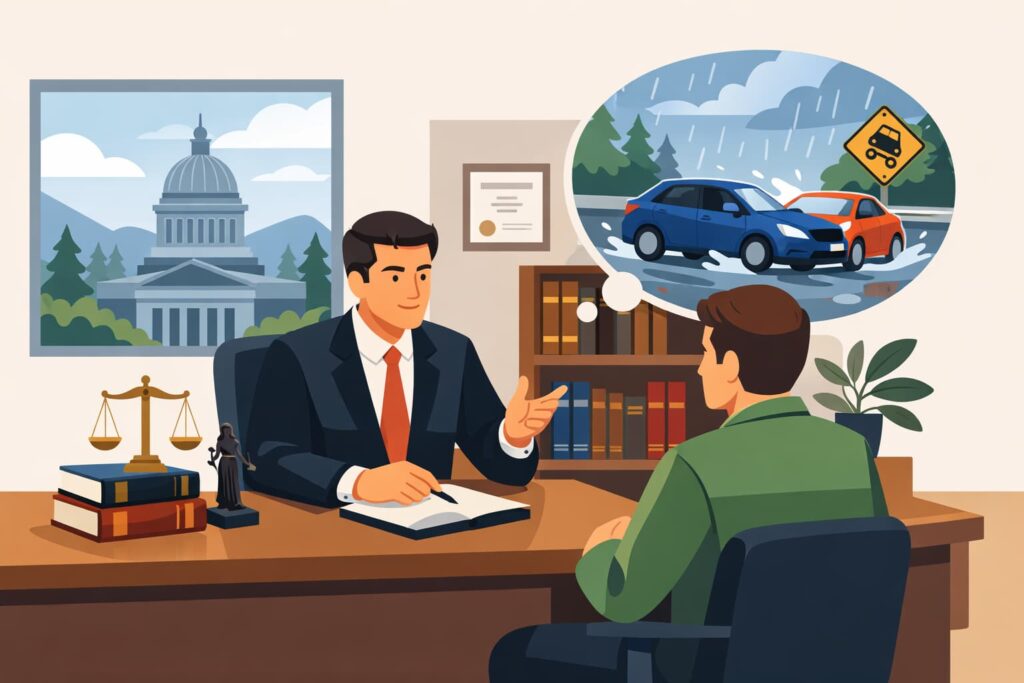
Client consulting with a lawyer in a modern office about a hydroplaning car accident in Olympia, illustrated in a clean flat vector style.

Trying to handle an injury claim on your own, especially after a serious crash, can be a difficult process. An Olympia personal injury attorney can manage the legal details so you can focus on your health and recovery. They can serve as your advocate, working to hold the responsible party accountable and secure the resources you need.

Investigating the Hydroplaning Car Accident

A key role of an attorney is to conduct an independent investigation into the crash. Proving that another driver’s negligence caused the hydroplaning requires more than just pointing to the wet road.

An investigation may involve:

  • Collecting Evidence: Gathering the police report, witness statements, photos of the scene, and vehicle damage assessments.
  • Consulting with Experts: Working with accident reconstruction specialists to analyze skid marks, vehicle positions, and other physical evidence to determine what happened.
  • Subpoenaing Records: Obtaining the other driver’s cell phone records to check for distracted driving or maintenance records for their vehicle to check the condition of their tires.
  • Analyzing Weather Data: Compiling official weather reports for the time of the accident to establish the conditions.

This detailed investigation is essential for building a persuasive case that demonstrates how the other party’s carelessness led to your injuries.

Calculating the Full Value of Your Claim

Insurance companies often try to settle claims for the lowest possible amount. An experienced attorney can help you calculate the true, long-term cost of your injuries to ensure you don’t accept an offer that leaves you with future expenses.

Damages in a personal injury claim can include:

  • Economic Damages: These are tangible financial losses, such as current and future medical bills, lost wages from time off work, and diminished earning capacity if you cannot return to your previous job.
  • Non-Economic Damages: These are intangible losses related to your quality of life, such as pain and suffering, emotional distress, and loss of enjoyment of life.

An attorney will carefully document all of your losses to present a comprehensive demand to the insurance company and will be prepared to argue for that full value in negotiations or in court if necessary.

Hydroplaning Car Accident FAQs

We understand you may have many questions after being involved in a wet-weather crash. Here are answers to some common concerns.

What should I do if the other driver blames the weather for the accident?

Blaming the rain is a common defense, but it is rarely a sufficient one. Drivers have a legal responsibility to adjust their driving for foreseeable conditions like rain. An investigation can help determine if the driver was speeding or acting carelessly, which would make them negligent despite the weather.

How can I prove the other driver’s tires were bald?

Evidence is key. Photos taken at the accident scene can be very valuable. Additionally, your attorney can request an inspection of the other vehicle or obtain its maintenance records as part of the legal discovery process to document the condition of the tires.

Can I file a claim against the city of Olympia for poor road conditions?

Filing a claim against a government entity is possible but involves a complex process with specific rules and shorter deadlines. If you believe a poorly maintained road caused your hydroplaning accident, it is crucial to contact an attorney promptly to explore your options and ensure all necessary legal notices are filed correctly.

How long do I have to file a personal injury lawsuit in Washington?

In Washington, the statute of limitations for most personal injury claims is three years from the date of the injury. If you do not file a lawsuit within this timeframe, you may lose your right to seek compensation.

Contact a Car Accident Lawyer at Boohoff Law, P.A. Today

If you were injured in a hydroplaning car accident, you don’t have to face the recovery process by yourself. The legal team at Boohoff Law, P.A. is here to help you understand your rights and options. We are committed to providing compassionate and determined advocacy for injury clients in Seattle, Olympia, and across Washington, as well as in Florida. As you focus on healing, we will focus on your case, taking on the insurance companies to pursue the outcome you deserve.

We offer a free, no-obligation consultation to discuss your case. And remember, we work on a contingency fee basis, which means you will never pay us any fees unless we win your case. Millions have been recovered for our clients. Contact us 24/7 at (877) 999-9999 or use our online form for your free consultation and find out what your case may be worth.
Get A Free Consultation

An adult and child holding hands cross a wide street, carrying a bag of red apples.

What Are Florida’s Current Car Seat Laws for Children?

If you live in Florida or travel with young passengers, knowing the state’s car seat laws isn’t just a good idea—it’s essential for your child’s safety—and avoiding fines. 

Florida law requires proper use of crash-tested, federally approved child restraint devices for every child ages 5 and under, regardless of where they are seated in the vehicle. But the details—like which seats are acceptable for different age groups, legal penalties, and exceptions—can be easy to miss.

This post breaks down the current Florida statute, explains the legal requirements by age, highlights penalties, and offers practical tips for compliance. While it’s not legal advice, it’s a guide to help you understand your obligations—and why these regulations exist for the safety of our littlest passengers.

Let’s start with the age-based requirements outlined in Florida Statute § 316.613.

Age-Based Requirements Under Florida Law

Florida law mandates that children age 5 or younger must be secured in a crash-tested, federally approved child restraint device whenever they ride in a vehicle. Breaking it down further:

  • Ages 0 to 3: Children must ride in either a separate carrier or a vehicle manufacturer’s integrated child seat.
  • Ages 4 to 5: Children must use a separate carrier, an integrated child seat, or a booster seat.

Florida law also allows a seat belt (without a child restraint) for children aged 4 to 5 only under specific conditions—such as when the driver is not immediate family, it’s an emergency, or the child has a documented medical exception.  An adult and child holding hands cross a wide street, carrying a bag of red apples.

Drivers are responsible for ensuring these requirements are met. Violations result in a fine of around $60 and three points against the driver’s license. In some cases, attending a safety program may exempt the violation and points.

Legal Penalties and Practical Implications

Failure to comply with Florida’s car seat laws isn’t just risky—it’s a moving violation. The base fine is $60, and if you accumulate points, that adds to insurance premiums and can affect your driving record.

Courts may waive the fine and points if the violator completes an approved child restraint safety program. It’s a reminder that these rules aim not to punish, but to promote safety.

Importantly, evidence of non-compliance cannot be used against you as comparative negligence in civil cases. This means your failure to buckle the child properly doesn’t automatically shift fault in the event of an accident.

While the law allows certain exceptions, they’re narrow and specific. For most everyday situations—including traveling with family—using a proper car seat remains your best option for both legal compliance and your child’s safety.

What Florida Experts and Safety Agencies Recommend

Florida law sets the minimum requirements—but recognized safety experts advise going beyond the baseline for optimal protection. 

Agencies like the Florida Department of Highway Safety and Motor Vehicles (FLHSMV) reference federal guidelines (FMVSS 213) and recommend using seats that fit your child’s size, are properly installed, and are used every time you drive.

Health organizations like the American Academy of Pediatrics (AAP) suggest keeping children in rear-facing seats as long as possible (often until at least age 2 or until they reach the seat’s height/weight limits), then moving to forward-facing with harness, and finally a booster until they fit a seat belt properly.

When your child outgrows a forward-facing seat, Florida law allows transition to a booster—but experts agree staying with the most protective option until they clearly outgrow it is safest.

Florida law doesn’t specify weight or height thresholds by name—but reputable car seat manufacturers do. Always follow the seat’s instructions over age-based limits. You’re prioritizing safety when you do.

Civil Liability in the Event of a Car Seat Violation

While Florida law explicitly states that failure to comply with child seat laws cannot be used as evidence of comparative negligence in civil court, that doesn’t mean car seat misuse is irrelevant in all legal contexts. 

If your child was injured in a crash—especially one involving another party’s negligence—a personal injury attorney can help you build a case for compensation regardless of whether a seat violation occurred.

More importantly, if another party or company contributed to a car seat malfunction or vehicle defect, product liability laws may apply. These cases are complex and often require expert evaluation, medical documentation, and evidence of product failure.

In serious injury claims, the legal process may involve multiple liable parties—another driver, a manufacturer, or even a rideshare company. This is where having legal guidance becomes invaluable. An attorney can help ensure that a car seat violation doesn’t overshadow the main issue: the harm caused by someone else’s negligence.

When Law Enforcement or CPS Gets Involved

If a child is found to be riding unrestrained or improperly secured—especially in repeat incidents—Florida law enforcement may escalate the issue. In rare but serious cases, Child Protective Services (CPS) may become involved, particularly if the violation is considered reckless or part of a pattern of neglect.

This type of legal scrutiny can carry long-term consequences beyond a traffic ticket. While a single citation may not raise red flags, multiple violations could affect custody rights or spark a broader investigation into parenting fitness. Legal representation may become necessary to protect your parental rights and respond appropriately to any inquiries.

An attorney familiar with family law and traffic regulations can offer guidance on how to respond, comply, and defend your conduct as a caregiver. Even if CPS is not involved, some insurance companies may scrutinize accident reports that mention unrestrained children. 

That’s another reason legal support is helpful—both for defense and potential injury claims.

Documentation Matters in Injury Claims Involving Children

In personal injury cases involving children, documentation is critical. When a crash occurs, having clear records of proper car seat use—photos, receipts, installation records—can support your claim and reduce any ambiguity. 

If the at-fault driver’s insurance company tries to minimize your damages or shift blame, your ability to show responsible restraint use can strengthen your legal position.

Even if the child was in a booster seat that met Florida’s basic requirement, the insurance company may still try to argue contributory negligence or claim the child would have fared better in a different restraint. 

While this may not hold legal water, it’s a common tactic in negotiations. An experienced attorney can counter these claims and keep the focus on the negligent party’s actions—not on arbitrary seat preferences.

If you’re unsure whether your claim is valid—or how to defend your actions as a parent—it’s best to speak with a personal injury lawyer. They can review your case, gather the right documentation, and advise you on the next steps without judgment or assumption.

Why Insurance Companies Try to Shift Blame to Parents

Insurance adjusters don’t always play fair—especially in cases involving injured children. One of their common tactics is to subtly place blame on the parent or guardian, implying the child’s injuries were due to improper car seat use or poor judgment. 

This often has little basis in fact, but it can create guilt or hesitation. Adjusters may even suggest that a different car seat or harness type would have prevented injury, ignoring the actual cause of the crash.

If you find yourself in this situation, it’s important to remember that Florida law recognizes comparative fault, but also protects parents who did their best under the circumstances. 

A lawyer can help push back against these deflections and keep the focus on the actual at-fault party, rather than letting the insurer unfairly reduce your payout through blame-shifting tactics.

How Insurers Use “Comparative Fault” to Reduce What They Owe

In cases involving serious injuries, Florida’s modified comparative negligence rule becomes a key issue. Insurance companies will often argue that you, the parent, were partially responsible—even if that’s not supported by the facts. They may cite things like an expired car seat, minor errors in installation, or a missing tether strap.Child Injury

Why does this matter? Because under state law, any share of fault assigned to you can reduce your recovery proportionally. A 20% share of fault means 20% less in damages. 

An experienced attorney knows how to combat these claims by working with safety experts, gathering witness testimony, and demonstrating that your actions were reasonable—even if they weren’t perfect. Legal support makes a big difference in preventing insurers from exploiting minor issues to dodge responsibility.

The Risks of Accepting an Early Settlement Too Soon

Soon after an accident, especially one involving children, insurance companies may contact you with a settlement offer. On the surface, it might look like a decent amount. But in many cases, it’s a lowball figure designed to close the case before the full extent of injuries, treatments, or therapy needs are understood.

Pediatric injuries can be especially deceptive. A child might appear fine at first but later show signs of concussion, emotional trauma, or orthopedic issues. If you accept the settlement, you typically give up your right to pursue more compensation—even if new symptoms arise. 

A personal injury lawyer helps you understand the long-term value of the claim and ensures you don’t sign away your rights prematurely. Don’t rush a decision that could affect your child’s future.

Why It Never Hurts to File a Claim — Even If You’re Unsure

After an accident, many parents feel hesitant about filing a claim—especially if their child’s injuries don’t seem severe at first. But Florida law doesn’t require you to be 100% certain before taking legal action. In fact, waiting too long or dismissing a valid concern could cost your family access to compensation down the line.

Children often experience delayed symptoms. Concussions, developmental issues, or emotional trauma may not appear for days or weeks. Filing a claim preserves your rights while giving your attorney time to investigate further. 

There’s no downside—consultations are free, and you’re under no obligation to proceed. A qualified lawyer can help determine if negligence or a defective child seat contributed to your situation, and if compensation is appropriate. Bottom line: it’s better to explore your options now than regret missing them later.

Call Boohoff Law for a Free Consultation Today

If your child was injured in a Florida car accident, it’s important to understand your legal options—and act quickly. 

Boohoff Law, P.A. helps families across the state navigate these emotional and legal challenges. With offices in Tampa, Brandon, and North Port, we offer compassionate guidance and aggressive advocacy when you need it most.

Call (813) 445-8161 in Tampa, (813) 321-7878 in Brandon, (941) 888-0848 in North Port, or (877) 999-9999 in Seattle. We’ll listen to your story, answer your questions, and help you decide what to do next.

Frequently Asked Questions (FAQs)

What type of car seat does Florida law require for toddlers?

Children under age 5 must be in a federally approved car seat. Ages 3 and under must be in a separate carrier or integrated seat. Ages 4–5 can use a booster seat if appropriate for their size.

Can I face penalties if I use the wrong car seat?

Yes. Florida law allows fines and points on your license for noncompliance. More importantly, using the wrong seat can jeopardize your child’s safety — and may affect liability in an accident claim.

Will insurance pay if my child was improperly restrained?

Possibly, but the insurer may try to reduce your payout by citing comparative fault. A lawyer can push back and show that the crash, not the seat usage, was the main cause of injury.

What if my rental car didn’t offer a proper child seat?

Rental companies aren’t strictly required to provide car seats unless requested. However, if they provided a faulty or unsafe one, you may have a legal claim for negligence or product liability.

How long do I have to file a claim for a child’s injury?

Florida’s statute of limitations is generally two years for personal injury. But when the injured party is a child, additional time may be granted. Speak with a lawyer as soon as possible to preserve your rights.


Heavy accident, Modern car accident involving many cars on the road

What Damages Can I Recover After a Highway Collision? 

Highway collisions can leave behind more than just wrecked vehicles—they can change the course of your life. At high speeds, these crashes often result in severe injuries, long-term disabilities, or even fatalities. 

Whether you’re dealing with broken bones, a totaled vehicle, or months of physical therapy, the aftermath of a highway crash can be overwhelming. And unfortunately, the bills don’t wait.

If another driver caused your accident, you have the right to seek compensation. But understanding what you can actually recover isn’t always straightforward. 

There are different types of damages, from medical costs and missed paychecks to less obvious losses like emotional distress or future care needs. And if your crash happened in Washington or Florida, your recovery process may look slightly different based on each state’s legal system.

This guide walks through the types of damages available after a highway collision, how they’re calculated, and what to expect when pursuing a personal injury claim. While every case is different, understanding your rights is a critical first step in holding the at-fault party accountable—and rebuilding your life after a serious crash.

Economic vs. Non-Economic Damages

When you’re hurt in a highway collision, the losses you face can fall into two main categories: economic and non-economic damages. Understanding this distinction helps clarify what types of compensation you may be entitled to pursue under Washington and Florida personal injury law.

Economic damages are your measurable, financial losses. These include medical bills, lost income, out-of-pocket costs, and property damage. If you had to rent a car, hire help around the house, or pay for physical therapy, these fall under this category. Because they can be backed up with receipts, pay stubs, and bills, these are typically easier to prove.Freight Truck Crash on Highway with Emergency Response

Non-economic damages, on the other hand, reflect the emotional and psychological toll of the accident. These are sometimes called “pain and suffering” damages and may include anxiety, depression, physical discomfort, reduced quality of life, and emotional trauma. 

Even if you’ve recovered physically, lingering mental or emotional injuries may still entitle you to compensation.

Both Florida and Washington allow injury victims to pursue both types of damages. However, the methods of calculating and awarding these vary by case. It’s important to speak with an attorney who can evaluate your situation and help you understand the full scope of your potential recovery.

Medical Expenses and Treatment Costs

Medical bills are often the most immediate and overwhelming cost following a highway crash. Even a single ambulance ride or emergency room visit can cost thousands of dollars. 

And if you suffered serious injuries—like broken bones, a traumatic brain injury, or spinal trauma—your bills may include weeks or months of treatment.

You may be able to recover compensation for:

  • Emergency room care
  • Hospital stays and surgeries
  • Doctor visits and specialist consultations
  • Prescription medications
  • Physical therapy or rehabilitation
  • Medical devices like crutches, braces, or wheelchairs
  • Mental health support or therapy

Florida operates under a no-fault system, meaning your own personal injury protection (PIP) insurance covers some of your initial medical costs, regardless of who caused the accident. But if your injuries are serious enough to exceed the PIP threshold, you can file a claim against the at-fault driver. In Washington, which uses a fault-based system, you may pursue a claim directly against the driver responsible from the outset.

No matter the state, it’s crucial to keep detailed records of every treatment and expense. These records will be used to demonstrate the financial impact of the crash and support your claim for full compensation.

Lost Wages and Loss of Earning Capacity

After a highway collision, many victims find themselves unable to work—sometimes for weeks, sometimes for months. In serious cases, they may never return to their previous job or earning level. That’s why lost wages and loss of future earning potential are essential components of any accident claim.

Lost wages refer to the income you’ve already missed out on due to your injuries. This includes hourly or salaried work, freelance or contract earnings, missed bonuses, and even the value of used sick or vacation time. If your injuries forced you to cancel work-related travel or projects, those losses may also be included.

Loss of earning capacity focuses on your future. If your injuries limit your ability to do your previous job or reduce your hours, you may be entitled to damages for the long-term financial impact. 

For example, someone who worked in construction but can no longer lift heavy objects might need to switch careers, take a pay cut, or leave the workforce entirely.

Both Washington and Florida allow injured parties to pursue these damages. Calculating them often requires input from financial professionals or vocational experts—another reason why having an attorney handle your case can make a major difference.

Property Damage and Vehicle Repair Costs

Beyond injuries and lost wages, highway accidents almost always result in some level of vehicle damage. Whether your car was totaled or just needed a few repairs, you may be eligible to receive compensation for all related expenses. 

These are considered property damage claims and can be filed separately or as part of your overall personal injury case.

Property damage may include:

  • Vehicle repairs or the fair market value if the car is totaled
  • Replacement of personal items lost or damaged in the crash (e.g., phone, laptop, child car seat)
  • Towing and storage fees
  • Rental car or transportation costs while your vehicle is being repaired

In Washington, the at-fault party’s insurance is typically responsible for these costs. In Florida, your own insurer may initially handle some of these expenses under your collision or PIP coverage, depending on the circumstances. However, pursuing a claim against the negligent driver may be necessary to recover the full cost of damages, especially in serious crashes.

It’s a good idea to get repair estimates, photos of the damage, and documentation of any out-of-pocket expenses. These can help strengthen your claim and demonstrate the actual financial impact of the crash.

Pain and Suffering Damages

While medical bills and car repairs are relatively straightforward to calculate, pain and suffering are more subjective. These damages aim to compensate you for the emotional and physical distress caused by the crash—things that can’t be easily measured but still have a real effect on your life.

Pain and suffering may include:

  • Chronic physical pain
  • Anxiety, depression, or PTSD
  • Emotional trauma or distress
  • Loss of enjoyment of life
  • Sleep disturbances
  • Physical limitations that affect daily activities

In both Florida and Washington, pain and suffering damages are available in personal injury claims, but only when you meet certain criteria. For example, Florida’s no-fault system restricts lawsuits for pain and suffering unless you suffer a serious or permanent injury.

Because these damages are subjective, insurance companies often try to minimize or deny them. They may argue your injuries weren’t severe or that you recovered quickly. That’s why documenting your symptoms, attending therapy, and maintaining a medical journal can be helpful. In some cases, testimony from friends, family, or mental health professionals may be used to show how your life has changed since the accident.

An attorney can work to ensure that your pain is taken seriously and appropriately valued during settlement negotiations.

Emotional Distress and Loss of Enjoyment of Life

In more severe collisions, victims may experience ongoing psychological harm that goes beyond immediate stress or inconvenience. Emotional distress damages are designed to compensate for the mental and emotional toll of the crash, while loss of enjoyment of life refers to how your ability to participate in daily or meaningful activities has changed.

Examples of emotional distress may include:

  • Panic attacks while driving
  • Fear of traveling or returning to work
  • Difficulty sleeping or concentrating
  • Relationship struggles due to mood changes or irritability

Loss of enjoyment might involve:

  • Being unable to return to a favorite sport or hobby
  • Missing out on family vacations or milestones
  • Losing independence due to mobility limitations

These damages are particularly relevant in high-speed highway collisions, where the physical and emotional consequences can be long-lasting. While not always awarded in every case, they are worth pursuing when your quality of life has taken a serious hit.Man sitting distressed by a damaged car, highlighting the importance of medical exams for insurance claims.

Florida and Washington courts recognize the legitimacy of these claims, but they must be backed by strong evidence. Consistent mental health care, honest self-reflection, and a willingness to document your experiences can help establish these damages in a claim or lawsuit.

The Insurance Company Is Not Your Advocate

It’s common to believe that insurance companies are there to help you, but this is rarely the case when serious injuries or large losses are involved. Insurance companies—whether your own or the other driver’s—are businesses first and foremost. Their goal is to reduce costs, not maximize your recovery.

Adjusters are trained to minimize payouts. They may:

  • Downplay the severity of your injuries
  • Question your need for certain treatments
  • Offer quick settlements before you understand the full extent of your damages
  • Use your own words or medical records against you

This is particularly true in highway accidents, which often involve higher speeds and more catastrophic injuries. If you’re unrepresented, you may not even know what types of damages you’re entitled to—or how much your case is truly worth.

You don’t need to navigate this alone. A personal injury attorney can manage the communication, advocate for a fair settlement, and guide you through your legal options. That way, you can focus on healing while someone protects your interests.

Most Claims Settle — But Only If You File

In both Florida and Washington, the majority of legitimate highway accident claims never reach the courtroom. Instead, they are resolved through settlement—often before a lawsuit is ever filed. 

This process can allow injured parties to recover compensation without the delays, stress, and uncertainty of trial.

However, just because settlements are common doesn’t mean they’re guaranteed. If you never file a claim or engage with an attorney, you risk walking away with:

  • A lowball insurance offer that doesn’t reflect your true losses
  • Out-of-pocket expenses for things like long-term care or missed wages
  • No compensation at all, especially if liability is contested or unclear

Having a personal injury lawyer on your side can make a substantial difference. Legal guidance helps ensure that you identify all possible damages, meet critical deadlines, and avoid common pitfalls. While no attorney can promise a specific outcome, experienced legal counsel increases the odds of reaching a fair settlement that reflects your actual losses.

There’s no upfront cost to talk to a lawyer, and most firms—including Boohoff Law—only collect a fee if they recover money for you. In other words, you have nothing to lose by getting a consultation—and potentially much to gain.

Call Boohoff Law for a Free Consultation

If you or a loved one were injured in a highway collision in Florida or Washington, the team at Boohoff Law, P.A. is ready to help. 

With experience handling serious personal injury claims, we can assess your situation and help you understand the types of compensation that may be available. You don’t have to accept the insurance company’s first offer—and you don’t have to do this alone.

Call (813) 445-8161 in Tampa, (813) 321-7878 in Brandon, (941) 888-0848 in North Port, or (877) 999-9999 in Seattle.

There’s no obligation, and we don’t charge unless we recover compensation for you.

Frequently Asked Questions (FAQs)

What’s the average settlement for a highway accident?
There is no universal “average,” as every case is different. Settlement amounts depend on factors like the severity of your injuries, medical expenses, lost wages, and pain and suffering.

Can I recover compensation if I was partially at fault?
Yes. Florida and Washington follow comparative fault rules, meaning your compensation may be reduced based on your share of fault—but you can still recover damages.

How long do I have to file a claim after a highway crash?
In Florida, the statute of limitations for personal injury claims is typically two years. In Washington, it is also generally three years. However, exceptions exist, so consult a lawyer promptly.

Will my case go to trial?
Most highway accident claims are resolved through settlement. However, if negotiations fail or liability is contested, your case may go to court.

What should I do right after a highway accident?
Seek medical attention, report the crash to the police, gather evidence if safe to do so, and avoid making statements to insurers before speaking with an attorney.


Heavy accident, Modern car accident involving many cars on the road

What Injuries Are Common in Head-On Collisions?

Head-on collisions are among the most devastating types of car accidents. When two vehicles traveling in opposite directions crash front-first into each other, the force of impact is often catastrophic. 

Even at moderate speeds, the combined energy involved can result in life-altering injuries—or worse. Whether it’s a rural highway in Florida or a busy intersection in Seattle, these crashes often leave victims with complex medical and legal challenges.

If you or someone close to you has been involved in a head-on crash, it’s important to understand just how serious these collisions can be. Injuries are often severe due to the frontal nature of the impact, and many victims require emergency care, surgery, and long-term rehabilitation. But beyond the physical pain, there are often emotional and financial consequences that make recovery even harder.

This blog will walk through the most common injuries seen in head-on collisions, why these types of injuries happen, and how victims can seek help. If you’re facing medical bills, missed time at work, or questions about what happens next, this information is meant to offer a starting point—not legal advice. 

Still, consulting a personal injury lawyer early on can help you better understand your options.

What Is a Head-On Collision?

A head-on collision happens when two vehicles traveling in opposite directions crash front-first into each other. These accidents usually occur when a driver crosses into oncoming traffic—whether by drifting out of their lane, traveling the wrong way on a one-way road, or attempting a risky passing maneuver. 

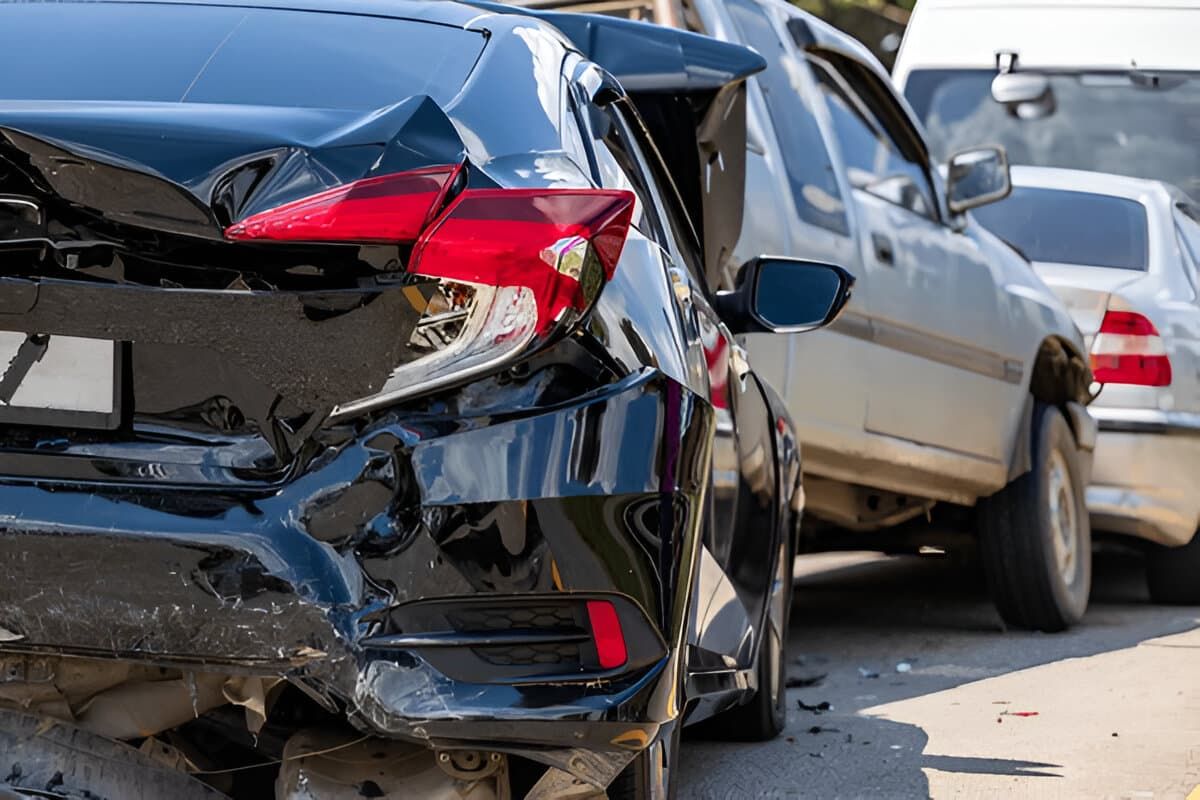
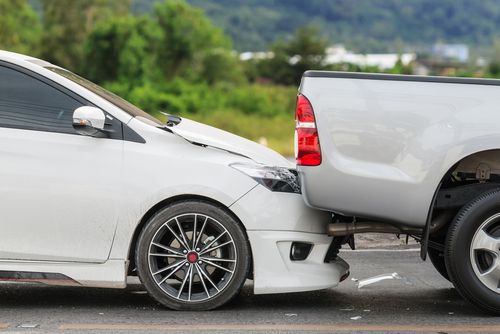
While less common than other accident types, head-on collisions are disproportionately dangerous. That’s because the combined speeds of both vehicles amplify the impact, even if each car is only traveling at 30 or 40 miles per hour. White sedan with front end damage after rear ending a gray pickup truck on a city street

In areas like I-275 near Tampa or major arteries around Seattle, these accidents are often linked to distracted driving, impaired driving, or confusion caused by poorly marked intersections. In rural parts of Florida or Washington, they may happen on two-lane roads with no center divider. The results can be catastrophic.

The direct frontal impact puts immense pressure on the human body—more than it’s built to endure. 

Drivers and passengers often have little time to react or brace for impact, and the force is typically absorbed by the chest, head, neck, and lower extremities. These collisions are among the most fatal on the road and often leave survivors with severe or disabling injuries.

The Most Common Types of Injuries in Head-On Collisions

Here are some of the most notable injuries that most victims sustain in head-on collisions:

Traumatic Brain Injuries (TBI)

Head-on crashes frequently lead to traumatic brain injuries (TBI), one of the most serious and life-altering outcomes a person can suffer in an accident. The sudden jolt of impact can cause the brain to slam against the skull—even if the head doesn’t physically hit an object. This motion can lead to concussions, brain bleeding (hematomas), or more diffuse injuries like axonal shearing.

Common symptoms of TBI include confusion, memory loss, mood changes, headaches, and sensory impairments. In more severe cases, victims may lose consciousness, fall into a coma, or suffer permanent cognitive deficits. Recovery timelines vary widely depending on the severity, with some people requiring lifelong care.

TBIs are difficult to diagnose right away. Symptoms might appear hours or even days after the accident. That’s why it’s crucial to seek immediate medical attention and continue monitoring your condition afterward.

Insurance companies may downplay these injuries or claim they’re unrelated to the crash, especially if symptoms are delayed. Having medical documentation and legal guidance can help you connect your injuries to the crash. If you’re dealing with a TBI after a head-on accident, consulting an experienced attorney can ensure you don’t miss your opportunity to seek compensation for both short- and long-term impacts.

Chest and Rib Injuries

In a head-on collision, the driver’s and front passenger’s bodies are often thrown forward violently. Even with seat belts and airbags, the force can cause significant trauma to the chest and ribcage area. These injuries are not only painful—they can also be life-threatening.

Common chest injuries include fractured ribs, collapsed lungs (pneumothorax), and bruising to the heart or lungs (myocardial contusion or pulmonary contusion). When the ribs break, they can puncture internal organs or blood vessels, increasing the risk of complications. Seat belt trauma, while it saves lives, can also contribute to chest bruising or soft tissue damage.

Victims often experience sharp pain while breathing, coughing, or moving. Medical evaluation is essential to rule out internal bleeding or organ damage. In severe cases, hospitalization and surgical intervention may be required.

Insurance companies sometimes argue that chest injuries are “minor” or claim they don’t warrant significant compensation. 

That’s why documenting your symptoms, following through on all treatment, and getting legal guidance can help you avoid being shortchanged. These injuries can linger for weeks or even months, and the costs of treatment and time off work can add up quickly without support.

Spinal Cord Injuries

Head-on collisions often involve a violent force that compresses or twists the spine. As a result, spinal cord injuries (SCIs) are frequently seen in these types of crashes, and the effects can be devastating. These injuries may range from minor herniated discs to complete spinal cord damage, which can lead to partial or full paralysis.

Many victims experience symptoms such as numbness, tingling, severe back pain, or difficulty moving their limbs. In some cases, there may be a complete loss of motor function or sensation below the injury site. These conditions are typically permanent and require lifelong medical care, rehabilitation, and assistance with daily tasks.

Recovery from a spinal injury is often slow and expensive. Even with the best treatment, most people face months of physical therapy, and some may never return to work or their previous quality of life. Insurance companies may try to undervalue these claims, despite the lifelong costs involved.

That’s why it’s important to work with a personal injury lawyer who understands the complex nature of SCIs. Whether you’re in Florida or Washington, a legal team with experience handling serious injury claims can help you pursue compensation for medical expenses, pain and suffering, and long-term care needs.

Lower Body Injuries

While the upper body often takes the brunt of a head-on collision, the lower body is not spared—especially for drivers and front-seat passengers. The confined space between the dashboard and the legs means that any forward momentum caused by the crash can result in serious leg, hip, and pelvic injuries.

Common lower body injuries include:

  • Fractured femurs, knees, or ankles
  • Dislocated hips
  • Pelvic fractures
  • Ligament or tendon damage

These injuries can make it difficult or impossible to walk, stand, or bear weight. Victims may need orthopedic surgery, extensive rehabilitation, and assistive devices like crutches, braces, or wheelchairs. Even after recovery, some people deal with permanent mobility issues, chronic pain, or limited range of motion.

Lower body trauma often leads to significant time off work or changes in lifestyle. For example, someone with a physically demanding job may be forced to switch careers or stop working altogether. This financial disruption should be taken seriously when calculating damages in a legal claim.

If you’ve suffered leg or pelvic injuries in a head-on crash, speaking with a lawyer can help you understand your options for seeking full and fair compensation.

Internal Organ Damage

One of the most dangerous outcomes of a head-on collision is internal organ damage. These injuries aren’t always visible at first, but they can quickly turn fatal if left untreated. The sheer force of a frontal impact can cause blunt trauma to vital organs such as the liver, kidneys, spleen, lungs, or heart.

Symptoms may include abdominal pain, dizziness, fainting, internal bleeding, or difficulty breathing. Because many of these signs can be delayed, emergency room visits after a crash are essential—even if you feel “okay” in the moment. Taxi cab driver

Doctors may use CT scans, MRIs, or ultrasounds to detect internal bleeding or damage. In some cases, emergency surgery is needed to stop the bleeding or repair torn tissue. Recovery can be long and uncertain, especially if complications arise.

Internal injuries often become a point of dispute in insurance claims. An adjuster might argue that your pain is from a preexisting condition or that the crash wasn’t severe enough to cause such harm. Legal representation can help ensure that these injuries are documented correctly and that your claim is taken seriously.

Don’t underestimate what you can’t see. If you’ve been in a head-on crash, seek medical care immediately and consider speaking with a lawyer afterward.

Why Most Victims Should Consider Legal Help

The nature of head-on collisions makes the resulting injuries more complex than in other types of crashes. You’re not just dealing with a sore neck or some bruises — you’re often facing permanent damage, loss of mobility, or a completely changed future.

Even though it’s impossible to predict outcomes in every case, one common theme is clear: most legitimate personal injury claims involving severe head-on accidents result in some kind of settlement. 

That’s not a guarantee, but a pattern. With an experienced lawyer guiding the process, victims tend to receive more appropriate compensation than if they handled the claim alone.

Without representation, you might accept a lowball offer — or worse, not file a claim at all. Insurance companies count on your lack of experience, and they are not obligated to look out for your long-term well-being. Filing a claim is not just about compensation; it’s about making sure you don’t walk away empty-handed when the accident has cost you so much.

Hiring a lawyer doesn’t cost anything upfront, and you risk nothing by learning your options. It’s a practical step toward protecting your rights and financial future.

Call the Law for a Free Consultation

If you or a loved one has been hurt in a head-on collision in Seattle, Tampa, Brandon, or North Port, Boohoff Law is here to help. 

These accidents can turn your life upside down, but you don’t have to figure things out alone. Our experienced team can help you navigate the legal system, communicate with insurance companies, and pursue the compensation you deserve.

We offer free consultations — by phone, video, or in person — and we’re available to travel to you if you can’t make it to the office. Call (813) 445-8161 in Tampa, (813) 321-7878 in Brandon, (941) 888-0848 in North Port, or (877) 999-9999 in Seattle.

No promises, no pressure. Just straightforward legal support when you need it most. Let’s talk.

Frequently Asked Questions (FAQs)

What should I do immediately after a head-on collision?

Seek emergency medical attention, even if injuries aren’t obvious. Call the police, document the scene, and avoid admitting fault. Then, consider speaking to a lawyer to protect your rights.

Can I still file a claim if I was partially at fault?

Yes. Both Washington and Florida follow comparative fault rules, which means your compensation can be reduced based on your share of responsibility — but you can still recover damages.

How long do I have to file a lawsuit?

In Florida, the statute of limitations for personal injury cases is generally two years. In Washington, it’s three years. It’s important to act quickly so you don’t lose your right to recover.

Will insurance cover all of my medical bills?

It depends. Basic coverage might not fully account for long-term treatment, surgeries, or rehabilitation. A legal claim can help you pursue full compensation beyond what insurance offers.

What if the other driver died in the crash?

You may still have a valid claim against their estate or insurance provider. These cases can be more complicated, but a lawyer can guide you through the legal process.

Heavy accident, Modern car accident involving many cars on the road

Are Intersection Accidents Always Caused by Running Red Lights?

It’s easy to assume that intersection accidents are always the result of someone running a red light, but that’s far from the full picture. While red-light violations certainly account for a fair share of these collisions, they’re just one piece of a much larger puzzle. The truth is, intersection crashes can be caused by a wide range of driver behaviors, visibility issues, traffic signal malfunctions, and even poor road design.

In cities like Tampa, Seattle, and North Port, where traffic congestion, unpredictable weather, and complex intersections are common, accidents can occur even when all signals appear to be functioning correctly. Left turns against oncoming traffic, misjudged yields, distracted drivers, and confusing signage all contribute to the high number of intersection-related crashes each year.

This article breaks down the many reasons why these collisions happen and why it’s important not to jump to conclusions about who’s at fault. Understanding the root causes can help you respond appropriately after a crash, especially when dealing with insurance claims or seeking legal help.

Let’s explore the factors that influence intersection accidents — and how legal experience can help clarify fault when things aren’t as straightforward as they seem.

Red Light Running: A Major Cause, But Not the Only One

There’s no doubt that running a red light is one of the most dangerous actions a driver can take. According to national crash data, thousands of intersection collisions each year are caused by drivers who ignore traffic signals. In busy areas like Seattle or Tampa, red-light running is especially risky due to high traffic volume and pedestrian activity.

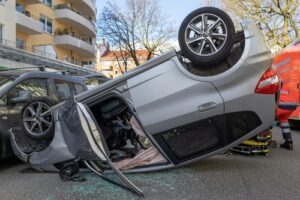
However, despite how common this behavior is, it only tells part of the story. Many intersection accidents occur even when both drivers claim to have had a green light. Disputes often arise, and without clear evidence like traffic camera footage, fault can become a matter of interpretation or testimony.Wreckage from a multi-vehicle truck crash shows crushed cars and emergency responders assessing the scene.

In some cases, a driver may roll through a right turn on red without checking for oncoming vehicles. Others may accelerate on a stale yellow light, trying to beat the red. These situations blur the lines between a clear violation and aggressive or impatient driving.

The assumption that all intersection crashes stem from red-light running is not only inaccurate — it can also affect how insurance companies handle claims and liability. A thorough investigation is often required to determine the real cause, which is why legal guidance can be so valuable.

Left-Turn Accidents and Misjudged Gaps

Not all intersection crashes happen due to traffic signal violations. In fact, one of the most common — and dangerous — types of intersection collisions involves left-turning vehicles. These accidents often occur when a driver turns left at a green light or flashing yellow, believing they have enough time to safely cross in front of oncoming traffic.

Unfortunately, misjudging speed or distance can lead to a devastating crash. These types of accidents are frequently referred to as “T-bone” or broadside collisions, and they carry a high risk of serious injury. Unlike a rear-end crash, the side of a vehicle typically offers little protection, which puts drivers and passengers in greater danger.

These collisions often spark disputes about fault. The turning driver is typically considered at fault for failing to yield, but not always. If the oncoming driver was speeding, distracted, or ran a light, that can shift or share the liability.

In areas with high traffic congestion like North Port or Brandon, these left-turn crashes are all too common. Whether due to impatience, poor visibility, or signal confusion, they remain a significant contributor to intersection accident statistics — and should be taken just as seriously as red-light crashes.

Distracted Driving and Intersection Confusion

Modern intersections are complex, with dedicated turn lanes, bike boxes, pedestrian signals, and countdown timers. While these systems are designed to improve safety, they can also overwhelm drivers — especially those who are distracted. In fact, distracted driving is a leading contributor to intersection crashes, and it doesn’t always involve someone running a red.

A driver looking down at their phone, fiddling with the radio, or checking GPS may not see a light change, a stop sign, or even another car already entering the intersection. These split-second lapses in attention can cause broadside or rear-end collisions that are wrongly blamed on signal timing or road conditions.

In some cases, both drivers may be partially distracted, leading to confusion about who had the right of way. That can complicate claims and make it difficult to determine fault. In Washington and Florida — two states where comparative fault is recognized — even small errors in judgment can impact how much compensation a driver receives after a crash.

If a driver was even momentarily distracted, it could be the real reason behind an intersection accident — not the color of the traffic light. This is why proving distraction and gathering evidence early matters so much.

Unclear Signage and Poor Road Design

Not all intersection crashes are the result of driver error. In some cases, poor road design or confusing signage plays a major role. Drivers unfamiliar with an area might encounter oddly placed signs, poorly marked turn lanes, or signals obstructed by tree branches or faded paint — all of which can lead to hesitation or sudden moves at intersections.

In areas like Seattle and Tampa, older roads often haven’t been updated to handle current traffic volumes. Intersections might be too narrow, missing left-turn signals, or have limited visibility due to parked vehicles or poor lighting. In North Port or Brandon, where rapid growth has increased congestion, traffic infrastructure doesn’t always keep up.

When signage is inconsistent — for example, a missing yield sign or a signal that malfunctions — drivers can easily misinterpret who has the right of way. This often leads to side-impact or rear-end crashes that, at first glance, might look like a case of running a red light.

These types of factors can affect how liability is determined in an accident. If the city or county responsible for road maintenance failed to fix known issues, that could become a key part of a legal claim. These cases can be more complex, requiring legal support.

Weather Conditions and Reduced Visibility

Bad weather plays a major role in many intersection accidents — even when no traffic laws are broken. In heavy rain, fog, or nighttime conditions, visibility can be drastically reduced. A driver might fail to see a stoplight in time or misjudge another vehicle’s distance, leading to a collision despite otherwise careful driving.

In Florida, rainstorms can quickly turn a routine drive into a dangerous one. Slick roads increase stopping distances, and headlights reflecting off wet pavement can obscure road markings or traffic signals. In Washington, heavy fog or early sunsets during winter months often reduce visibility at intersections, especially in areas with few streetlights or aging traffic signals.

Drivers are expected to adjust their behavior to match the conditions — meaning slower speeds, longer following distances, and more caution at intersections. When someone fails to drive responsibly for the weather, they could still be found at fault, even if they didn’t technically break a traffic law.

Crashes that happen in poor weather are not always open-and-shut cases. Proving negligence may require photos, weather reports, and testimony. These are not situations where you can rely on assumptions — especially if you’re trying to recover compensation for injuries or damages.

Multiple Drivers May Share Fault

One of the more complicated aspects of intersection crashes is that more than one driver can be partially at fault. Not every accident is caused by a single, obvious mistake. In many cases, a combination of poor judgment, distraction, or speed from both drivers results in a collision.Severely damaged black car after a crash, showing why insurers may lowball your totaled car’s value.

For example, a driver may run a yellow light at the same moment another vehicle turns left into the intersection. One might argue that the yellow-light driver was speeding, while the other didn’t yield appropriately. In states like Florida and Washington, this becomes a matter of comparative fault — meaning each driver’s percentage of responsibility is calculated, and any compensation awarded may be reduced accordingly.

Insurers are quick to argue that their policyholder wasn’t entirely to blame. They may claim the injured party contributed to the crash, even if that contribution was small. This is especially common in intersection collisions where both vehicles are moving and witnesses give conflicting stories.

Because multiple drivers may share fault, it’s important to document the scene as thoroughly as possible — take photos, speak to witnesses, and consult with an attorney. Your version of the story matters, and proving it could make all the difference in how your claim is resolved.

Common Injuries From Intersection Accidents

Intersection crashes — especially those involving side impacts — can lead to serious injuries, even at moderate speeds. T-bone accidents, for example, offer little protection for drivers or passengers on the side of impact. The force often transfers directly to the person’s body, increasing the risk of trauma.

Some of the most common injuries include:

  • Whiplash and soft tissue damage
  • Broken bones, particularly in the arms, ribs, or hips
  • Head injuries, including concussions or traumatic brain injury (TBI)
  • Spinal injuries, which may lead to long-term complications or paralysis
  • Internal bleeding or damage to organs

Injuries like these aren’t always obvious at the scene. Adrenaline can mask pain, and some symptoms don’t show up for days. Even if you feel “fine,” it’s wise to get medical attention after a crash — not just for your health, but to document your condition.

Severe injuries can impact your ability to work, care for loved ones, or maintain your lifestyle. Medical records, witness statements, and crash reports all contribute to the strength of your legal claim. If someone else caused your injuries, you may be entitled to compensation. Legal help can ensure you’re not left to handle it alone.

Call Boohoff Law for a Free Consultation

If you were injured in an intersection accident — whether or not a red light was involved — you deserve to understand your options. Boohoff Law, P.A. has helped many injury victims in Washington and Florida recover the compensation they need to move forward.

Our team has the experience to handle intersection crash cases involving complex liability, disputed fault, or serious injuries. We’ll listen to your story, review the facts, and give you honest guidance on what to expect. If your case has merit, we’re prepared to stand by you and pursue fair compensation.

We offer free consultations, and you don’t pay unless we win. We’re available to talk by phone, video, or in person — and we can even come to you if needed.

Call (813) 445-8161 in Tampa, (813) 321-7878 in Brandon, (941) 888-0848 in North Port, or (877) 999-9999 in Seattle.

Frequently Asked Questions (FAQs)

What if both drivers blame each other in an intersection accident?

When fault is disputed, evidence becomes crucial — things like traffic cam footage, eyewitnesses, or black box data can help clarify what really happened. An attorney can help gather this information and negotiate with insurers.

Do I need to report the crash to the police if no one is injured?

Even in minor accidents, reporting is usually required by law if there’s significant property damage. A police report also serves as an objective account of the crash, which can support your claim later.

Can I still recover compensation if I was partially at fault?

In both Florida and Washington, you may still be eligible for compensation even if you shared some fault. The amount may be reduced based on your percentage of responsibility.

What if the traffic light was broken or missing?

Malfunctioning or missing traffic signals can shift liability to the local municipality or another third party. These cases are complex and require investigation to determine whether negligence played a role.

How long do I have to file a claim after an intersection crash?

Each state has its own statute of limitations. In Florida, you generally have two years from the date of the crash. In Washington, it’s three years. However, it’s best to act sooner while evidence is still fresh.

pedestrian crossing sign against blue sky

Can Traffic Signal Malfunctions Cause Left-Turn Accidents?

Left-turn accidents are among the most dangerous types of traffic collisions, especially when they occur at intersections. These crashes often involve high-speed, head-on, or T-bone impacts that can result in devastating injuries. 

While many assume that driver error is the only cause of these crashes, that isn’t always the case. In fact, malfunctioning traffic lights can be a major contributor—especially when drivers are relying on signals to navigate complex intersections safely.

When a signal fails to change, blinks incorrectly, or displays contradictory cues to opposing lanes, chaos can ensue. A driver making a legal left turn on a green arrow may suddenly find themselves facing oncoming traffic that also has a green light. In these moments, it becomes nearly impossible to avoid a collision.

Understanding how these malfunctions happen—and how fault is determined—can help you make informed decisions if you’ve been involved in a crash. 

This blog breaks down the relationship between traffic signal malfunctions and left-turn accidents, including how to protect your rights and when to consider seeking legal help.

When Traffic Signals Don’t Work the Way They Should

Intersections rely heavily on functioning traffic signals to keep vehicles moving safely. When a signal malfunctions—whether it’s stuck on red, skips phases, or shows conflicting greens—it can immediately put drivers at risk. This is especially dangerous for those making left turns, which already involve judging speed and distance of oncoming traffic. Malfunctions reduce visibility into right-of-way, which is crucial during such maneuvers.pedestrian crossing sign against blue sky

In Seattle or cities like Tampa and Brandon, local Departments of Transportation oversee traffic light maintenance. However, inclement weather, electrical surges, and routine wear and tear can lead to signal failure. When this happens at an intersection with heavy volume, it can result in confusion and catastrophic crashes.

Left-turn collisions caused by signal errors are difficult to predict and can happen even when a driver believes they are obeying the law. A green arrow may vanish mid-turn, or conflicting lights may trick two drivers into proceeding simultaneously. The chaos of these moments can make it difficult to determine fault and create complications when seeking compensation for injuries. It’s critical to document the scene as best as possible and consider the role that a faulty light may have played.

Why Left Turns Are Already High-Risk

Even under normal conditions, left turns at intersections are one of the most dangerous driving maneuvers. Unlike right turns, left-turning drivers must often cross multiple lanes of oncoming traffic. This requires precise timing, sound judgment, and a clear understanding of who has the right-of-way. Unfortunately, these conditions are rarely perfect.

Studies have shown that a significant number of intersection-related crashes involve left turns. Drivers may misjudge the speed of oncoming vehicles or become distracted by pedestrian movement, changing lights, or nearby turning lanes. These hazards become worse when signals malfunction or fail to display the correct indicators.

Cities like Seattle and North Port are densely populated and heavily trafficked, with complex intersection designs. A faulty green arrow or missing yellow phase can make a high-risk turn even more dangerous. When a driver thinks they have the right-of-way due to a malfunctioning signal, they may proceed into a collision without warning.

In these cases, determining who is at fault can be incredibly difficult, especially if the malfunction isn’t immediately obvious. This is why investigating the cause of a left-turn crash often requires legal and technical insight—something that a lawyer familiar with personal injury claims can help provide.

Who May Be Liable for a Malfunctioning Traffic Signal?

When a traffic signal is to blame for an accident, liability doesn’t always fall on the drivers involved. In some cases, a local government agency or private contractor may be responsible for failing to inspect, maintain, or repair the signal in question. If it’s found that poor maintenance or outdated equipment contributed to a malfunction, the city or county could be held accountable.

In Seattle, for example, traffic control devices are overseen by the Seattle Department of Transportation (SDOT), while in Florida, agencies like the Florida Department of Transportation (FDOT) play that role. These organizations have a duty to ensure signals function properly and are regularly inspected.

Proving that a government entity is at fault, however, can be complex. There are often strict rules regarding notice of claims and reduced timelines for filing against public entities. Evidence such as traffic signal data logs, surveillance footage, or witness statements may be necessary to establish liability.

Working with a legal team experienced in these cases is often essential. They can help determine whether the malfunction was documented, whether the city was aware of prior issues, and whether other drivers have experienced similar problems at the same intersection.

Proving That the Traffic Signal Malfunctioned

One of the biggest challenges in left-turn crash cases involving traffic signal issues is proving that the signal truly malfunctioned. Without clear, convincing evidence, insurance adjusters or opposing parties may simply place blame on the driver. That’s why documentation is key.

After a crash, it’s important to gather as much information as possible. This includes taking photos or videos of the traffic light, asking nearby drivers or pedestrians if they noticed anything unusual, and locating nearby surveillance or traffic cameras. If available, dash cam footage may also help.

In cities like Tampa or Seattle, requesting traffic signal logs through public records can sometimes reveal if there were prior issues or complaints filed. Maintenance records and service reports may show whether the signal had been inspected or repaired recently.

However, time is of the essence. Signals are often reset or repaired quickly, and some data may be deleted after a short retention window. Getting help from a lawyer early on can help preserve this evidence and guide you through the process of identifying the true cause of the crash. This kind of investigation is often necessary to uncover malfunctions that might not be obvious at first glance.

How Signal Timing Errors Contribute to Collisions

Not all traffic signal malfunctions are as obvious as a light going dark or flashing red. In many cases, it’s the timing of the lights that leads to dangerous situations. If the green light is too short, or if the yellow phase doesn’t last long enough, drivers may find themselves in unsafe positions—especially during a left turn.

For example, a poorly timed green arrow may not give enough time for multiple vehicles to complete their turn, leaving some stuck in the intersection. If the opposing traffic receives a green signal too quickly, collisions can happen even when drivers believe they acted legally. These are referred to as “split-phase timing errors.”

Municipal agencies in Florida and Washington use software to control traffic light cycles, but the systems aren’t perfect. Weather events, power interruptions, or programming errors can all interfere with proper operation. Unfortunately, most drivers aren’t aware that a timing error even occurred.

When crashes happen under these circumstances, you may need an engineer or crash reconstruction expert to analyze the timing sequence and determine whether it played a role. An attorney can help coordinate this analysis and interpret the findings to support your injury claim.

How These Cases Differ from Standard Left-Turn Crashes

When a traffic signal is functioning correctly, fault in a left-turn accident often comes down to a dispute between two drivers. But when a signal malfunctions, the case takes on an entirely different complexity. Liability may be shared between more than one party, and proving fault may require data analysis, expert witnesses, and detailed evidence.

In typical left-turn collisions, insurance companies might argue that the turning driver didn’t yield. But if the signal gave a green arrow too early—or conflicted with another green—the driver may have had no way of knowing danger was imminent. In these cases, the fault may rest with the city or maintenance contractor.

Moreover, injured drivers may not realize a malfunction occurred until it’s too late to gather evidence. This is why time-sensitive action is essential. A legal team can request public records, secure witness statements, and bring in experts to analyze signal programming and timing.Lawyer and client negotiation in legal judgement consulting.

In Washington or Florida, claims involving government entities have shorter filing deadlines and special procedures. These differences make it vital to have guidance early on. If you’ve been in a left-turn crash and something felt “off” about the light, don’t assume it was your fault—investigate the possibility of a malfunction.

Dealing with Insurance After a Malfunction-Related Crash

Insurance companies are rarely quick to accept that a traffic signal malfunction was responsible for an accident. Their default approach is to assume one of the drivers made a poor decision, especially in left-turn collisions. Even if you believe the signal contributed to the crash, the adjuster may downplay this claim unless you present clear, documented evidence.

If your case involves a public agency or a traffic maintenance contractor, insurers may point fingers at each other to avoid liability. This can create long delays and disputes over who should pay. In Florida and Washington, public entities often have legal protections that make filing a claim against them more complicated.

Even in no-fault states or situations where you’re relying on your own policy, proving the role of a signal failure may affect how much compensation you’re offered. Your settlement could depend on showing how the malfunction increased your injuries or caused your vehicle to be struck.

That’s why working with an experienced injury attorney matters. They can help you avoid early settlement traps and gather the evidence needed to challenge an insurance company’s assumptions. A detailed investigation is often your strongest weapon in these cases.

Common Injuries in Left-Turn Crashes Involving Signal Errors

Left-turn collisions are often severe, especially when one driver is caught off guard by an unexpected green light or conflicting signals. When these crashes are caused by signal malfunctions, the angle and speed of impact can result in devastating injuries.

Some of the most common injuries in these scenarios include:

  • Whiplash and neck injuries from sudden impact
  • Broken bones, particularly in the arms, legs, or ribs
  • Spinal cord injuries or disc herniations
  • Head trauma or concussions from side airbag deployment
  • Internal injuries due to seatbelt force or crushed panels

Unfortunately, the injured driver may face skepticism from insurers, especially if they are the one who made the left turn. They may try to blame the driver for misjudging the light—even when a timing error was to blame. This can lead to underpayment or denial of claims.

If you’re recovering from any serious injuries after a left-turn crash, don’t wait to speak with a lawyer. A medical expert can document your injuries, but a legal professional can help ensure your full story is heard. Without advocacy, you may face financial pressure to settle too soon or accept less than you deserve.

Call Boohoff Law for a Free Consultation

If you were injured in a left-turn accident and suspect a traffic light malfunction played a role, you don’t have to face the legal system alone. These cases often require detailed investigations, fast evidence preservation, and guidance through a complicated claims process.

At Boohoff Law, we help injury victims in Florida and Washington understand their rights and pursue fair compensation. Our team is experienced in handling collisions involving traffic signal issues, government entities, and reluctant insurers.

We’ll take the time to understand your unique situation and explore every angle of liability. If a signal error or poor maintenance contributed to your crash, we’re ready to help you prove it.

Call (813) 445-8161 in Tampa, (813) 321-7878 in Brandon, (941) 888-0848 in North Port, or (877) 999-9999 in Seattle. If you’re in Washington, contact our Seattle office at (877) 999-9999. The consultation is free, and we only get paid if we help you recover compensation.


Who Is at Fault in a T-bone Car Accident Boohoff Law

Can Both Drivers Share Fault in a T-Bone Collision?

T-bone collisions—also known as side-impact or broadside crashes—are some of the most dangerous types of motor vehicle accidents. They often occur at intersections when one driver fails to yield, runs a red light, or misjudges the flow of traffic. 

However, both drivers may share fault, especially in states like Florida and Washington, where comparative negligence laws apply. Whether you’re dealing with the aftermath of a crash in Seattle or Tampa, understanding how fault is determined and how it may affect your claim is crucial. 

This blog explores the legal standards around shared liability in T-bone crashes, how comparative fault works, and what injured drivers should know before taking legal action.

Key Takeaways About T-Bone Collisions

  • In a T-bone collision, both drivers may share legal responsibility for the crash.
  • States like Florida and Washington use a “comparative negligence” system to assign a percentage of fault to each driver.Who Is at Fault in a T-bone Car Accident Boohoff Law
  • Your final compensation amount decreases by your percentage of fault. In Florida, you cannot recover damages if a court finds you more than 50% at fault.
  • Insurance companies investigate accidents to assign fault, but their conclusions often serve their own financial interests.
  • An attorney helps gather crucial evidence, challenges unfair blame assigned by insurers, and protects your right to fair compensation.

How Fault Is Determined in a T-Bone Accident

Determining fault in a T-bone collision often requires a detailed look at traffic signals, right-of-way rules, and eyewitness accounts. In cities like Tampa or Seattle, these accidents frequently happen at intersections where one driver may run a red light or fail to yield during a left-hand turn.

Police reports, dashcam footage, and even surveillance video from nearby businesses can all play a role in establishing what happened.

Fault isn’t always cut and dry. For example, if one driver broke the speed limit but the other made an illegal turn, both could share blame. Insurance companies and legal teams will evaluate this evidence to assess liability. In some cases, accident reconstruction experts may be brought in to provide a clearer picture.

Florida and Washington both operate under comparative fault systems, which means even if you were partially responsible, you may still recover compensation. However, your percentage of fault will reduce your total damages. 

That’s why working with an experienced attorney matters—they can help gather the right evidence, advocate for your side of the story, and minimize the percentage of fault assigned to you.

Florida and Washington’s Comparative Negligence Laws

Both Florida and Washington use versions of comparative negligence to resolve personal injury claims. In Florida, the system is known as modified comparative negligence, which allows a party to recover damages as long as they are not more than 50% at fault. 

In Washington, a pure comparative negligence rule applies, which gives you more latitude than Florida does to seek compensation, at least in theory.

This becomes important in T-bone crashes because multiple variables can influence how fault is distributed: traffic light status, visibility, distractions, and more. Both states allow juries and insurers to assign a percentage of fault to each party based on available evidence. 

Because of this, even if you think you’re partially to blame, call a lawyer. These laws require a solid legal argument backed by evidence.

Examples of Shared Fault in T-Bone Accidents

T-bone collisions aren’t always caused by just one bad decision. There are many scenarios where both drivers made errors that contributed to the crash. Understanding these examples can clarify how shared fault may apply to your situation.

Here are a few common situations:

  • Driver A runs a red light, while Driver B is speeding through an intersection. Even though Driver A technically violated the traffic signal, Driver B’s speed may have made the crash more severe.
  • Driver A turns left at a flashing yellow, thinking they have enough time, while Driver B is texting and doesn’t see the car turning.
  • Both drivers are trying to beat a yellow light, resulting in neither having the legal right-of-way when they collide.

In these cases, fault may be split 50/50 or distributed in another ratio depending on the circumstances and evidence. 

In both Florida and Washington, this shared liability affects how much compensation each party can recover. That’s why legal support is critical—to help build the strongest possible case even when fault is murky.

How Insurance Companies Assign Fault in T-Bone Crashes

After a T-bone accident, insurance companies begin their own investigation to determine who was at fault and to what degree. In both Florida and Washington, insurance adjusters look at police reports, photos, medical records, and witness statements. If either driver admitted fault at the scene—or if there’s video evidence—those details can weigh heavily.

However, it’s not uncommon for both drivers to blame the other. In these cases, insurers use whatever evidence they can find to assign a percentage of fault to each party. This is especially important in states like Florida, where being more than 50% at fault could bar you from recovering compensation under modified comparative negligence laws.

Insurance companies aren’t neutral—they’re financially motivated to pay as little as possible. If they believe you were partially responsible, they may reduce or deny your claim. 

That’s why it’s risky to handle these cases alone. A lawyer can step in to ensure the insurer doesn’t assign you an unfair portion of blame. They’ll work to gather evidence and negotiate a settlement that accurately reflects what really happened.

What to Do If You’re Partially at Fault

Being partially at fault for a T-bone accident doesn’t mean you’re out of options. In fact, both Florida and Washington allow partially responsible drivers to still recover damages. The key is to take the right steps early to protect your case.

Here’s what you should do:

  • Don’t admit fault at the scene, even casually.
  • Call the police so there’s an official report.
  • Take photos of the accident scene, including all vehicles, traffic lights, and signs.
  • Get medical attention, even if injuries seem minor.
  • Avoid giving detailed statements to insurance adjusters without legal advice.

If you’re found 20% at fault, for example, and your total damages are $100,000, you may still recover $80,000. But insurance companies will often try to increase your share of the blame. An attorney can help keep things fair and fight for your best possible outcome.

Don’t assume partial fault means no case—it’s often still worth pursuing a claim, especially if your injuries are significant.

Why Legal Representation Is Crucial in Shared Fault Cases

When both drivers may share fault, legal representation becomes more than just helpful—it’s essential. These cases are often more complicated, involving conflicting statements, interpretation of traffic laws, and technical accident reconstruction. A qualified attorney can dig into the details and ensure that your side of the story isThe Basics of T-bone Truck Accidents heard.

In shared fault situations, insurers are more aggressive in shifting blame to reduce their payout. Without a legal advocate, you might find yourself assigned more fault than you deserve. That could reduce or eliminate your ability to recover compensation, especially in Florida.

A lawyer brings valuable tools to the table:

  • Access to accident reconstruction specialists
  • Knowledge of local traffic statutes
  • Experience negotiating with insurance adjusters
  • The ability to file a lawsuit if necessary

Additionally, attorneys familiar with Florida and Washington’s comparative negligence laws know how to build a strategy around your specific level of fault. Whether it’s 10% or 40%, they’ll work to limit your liability and maximize your recovery. This kind of guidance can make a meaningful difference in the outcome of your case.

Evidence That Can Help Prove Partial Fault or Reduce It

If you’re involved in a T-bone accident and worried about being partially blamed, gathering the right evidence is essential. Even a small shift in fault percentage can impact your compensation under comparative negligence laws.

Useful forms of evidence include:

  • Traffic camera footage to verify light changes and driver speed
  • Dashcam recordings from your car or witnesses
  • Eyewitness statements supporting your version of events
  • Expert accident reconstruction to determine angles and speeds
  • Photos of vehicle damage and road conditions
  • Phone records to show if distracted driving played a role

Police reports also carry weight, but they’re not the final say. Officers might make assumptions at the scene, especially if there are no witnesses. That’s why it’s crucial to collect independent evidence quickly—before the scene changes or memories fade.

An attorney can help secure this evidence and may work with professionals like accident reconstructionists or traffic engineers to build a clearer picture of what really happened.

What Happens If Both Parties File Claims?

It’s not uncommon for both drivers in a T-bone collision to file claims against each other, especially if they both believe the other was more at fault. This can lead to a back-and-forth process where insurance companies battle over liability percentages.

When both parties file, each insurer investigates and may reach different conclusions. If Driver A’s insurer finds Driver B 60% at fault, and Driver B’s insurer finds Driver A 70% at fault, a stalemate may occur. At this point, legal action becomes more likely.

This scenario underscores the importance of legal representation. Your attorney will work to present strong evidence, challenge opposing claims, and protect your interests throughout negotiations or litigation. Without representation, you risk having your claim denied entirely—or being held more at fault than is fair.

Additionally, filing your own claim doesn’t prevent the other driver from filing theirs. You need to be prepared not only to pursue compensation but to defend yourself from an incoming counterclaim. A lawyer will handle both angles and aim for the best possible resolution in a shared fault scenario.

Common Injuries From T-Bone Collisions and Why Legal Help Matters

T-bone collisions are among the most dangerous types of crashes because the sides of vehicles offer far less protection than the front or rear. In these accidents, injuries are often severe—even when vehicles aren’t moving at high speeds. Victims may suffer:

  • Broken bones, particularly in the ribs, pelvis, arms, or legs
  • Whiplash and other neck injuries from the forceful jolt
  • Spinal cord injuries that can lead to long-term disability
  • Traumatic brain injuries (TBI) from side head impacts
  • Internal bleeding or organ damage, especially when struck near the torso

Even if you feel fine at the scene, some injuries—like concussions or internal trauma—don’t show symptoms right away. You should always seek immediate medical care, and then contact a personal injury lawyer.

When fault is disputed, the insurance company may use any gap in treatment or unclear medical records to argue against your claim. An experienced attorney can coordinate with medical professionals, preserve your records, and fight to make sure your injuries are taken seriously when pursuing compensation.

Call Boohoff Law for Your Free Consultation

If you were injured in a T-bone collision and think both drivers may share fault, don’t wait to get help. These cases are complicated, and how liability is divided can drastically affect your compensation. Even if you’re partially to blame, you may still be entitled to financial recovery.

At Boohoff Law, P.A., our team has experience helping injured drivers and passengers navigate the complex legal and insurance systems in Florida and Washington. We’ll evaluate your case, explain your options, and guide you through every step—without charging anything upfront.

We offer free consultations and are available by phone, video, or in-person appointments depending on your location and preference. Our offices serve Tampa, Brandon, North Port, and Seattle, and we’re committed to helping real people get the support they need.

Call (813) 445-8161 in Tampa, (813) 321-7878 in Brandon, (941) 888-0848 in North Port, or (877) 999-9999 in Seattle.

Let’s talk about what happened, and see how we can help you move forward.

Frequently Asked Questions (FAQs)

What if there were no witnesses to the crash?

Your case can still succeed. Dashcam footage, vehicle damage analysis, traffic light data, and accident reconstruction experts can all help prove what happened.

Should I talk to the other driver’s insurance company?

Not without legal advice. Insurance companies may try to get you to admit partial fault or downplay your injuries. Speak with an attorney before providing statements.

How long do I have to file a claim?

In Florida, the statute of limitations for personal injury is generally two years. In Washington, it’s three years. However, early investigation is key, so don’t delay.

What if the police report says I was at fault for the T-bone accident?

A police report documents important evidence, but it is not the final word on liability. The officer’s conclusion is often based on incomplete evidence available at the scene.

An attorney can investigate further, uncover new evidence like surveillance video or witness testimony, and challenge the report’s findings.

A court or jury makes the final legal determination of fault.

How does my own car insurance coverage work if I share fault?

Your own insurance policies may provide benefits regardless of fault. For example, Personal Injury Protection (PIP) or Medical Payments (MedPay) coverage helps pay for your initial medical bills no matter who caused the crash. So does uninsured/underinsured motorist insurance (UM/UIM) insurance.

Using these benefits does not prevent you from filing a liability claim against the other driver. An attorney can help you coordinate all available insurance benefits to your advantage.

Does it matter where the other car hit my vehicle in a T-bone crash?

Yes, the point of impact provides crucial information for accident reconstruction experts. For example, an impact on a rear passenger door versus the driver’s door can help determine vehicle speeds, angles of approach, and which driver likely had the right-of-way.

This physical evidence often helps prove that one driver entered the intersection earlier or later than the other, which is a key factor in assigning fault.

White sedan with front end damage after rear ending a gray pickup truck on a city street

I Was Partially At-Fault in a Rear-End Crash. Can I Still Get Compensation in Florida?

Yes. Florida law allows you to recover damages even if you were partly at fault for a rear-end accident. Our state’s law allows you to seek compensation as long as you are not found to be more than 50% responsible for the crash. 

This legal concept is called “modified comparative negligence.” Simply put, your final compensation award is reduced by your percentage of fault. For example, if you are found 10% at fault, your total damage recovery is reduced by 10%.

Fault in these situations is complicated, especially because there’s a common belief that the rear driver is always to blame. This is not always the case, and there are specific situations where the lead driver shares the blame, and a Tampa car accident lawyer can investigate the details and help you pursue fair compensation.

If you have questions about your specific rear-end accident, call us at (813) 445-8161.

Get A Free Consultation

Key Takeaways for Partial Fault in Florida Rear-End Accidents

  1. You can still recover compensation if you’re less than 51% at fault. Florida uses a modified comparative negligence rule, which reduces your payout by your percentage of fault but doesn’t bar recovery unless you’re mostly responsible.
  2. Rear drivers aren’t always automatically to blame. While there’s a presumption that the back driver is at fault, exceptions apply, like brake-checking, faulty brake lights, or unsafe lane changes by the front driver.
  3. Evidence determines how fault is divided. Police reports, witness statements, black box data, and video footage all help decide who caused the crash and how much each party is responsible.

How Florida’s “Modified Comparative Negligence” Law Actually Works

White sedan with front end damage after rear ending a gray pickup truck on a city streetYou’re worried that because you might have done something wrong, maybe you were following a bit too closely, or looked away for a second, you’ve lost your right to any compensation. This is a common and understandable fear after any car accident, and it’s a feeling that keeps many people from exploring their options, which is why you need a car accident lawyer to review the facts and protect your ability to recover damages.

In some states, that fear would be completely justified. States with strict “contributory negligence” rules, like Virginia or North Carolina, bar you from recovering anything if you are found to be even 1% at fault. A single mistake, no matter how small, could mean you are left to handle all the medical bills and lost income on your own. 

Florida’s system is different, and it’s designed for shared responsibility. The law that governs this is Florida Statutes § 768.81, which establishes our state’s “modified comparative negligence” standard. This approach acknowledges that few accidents are truly 100% one person’s fault. 

The 51% Bar

A key component of this law is the 51% bar. You are eligible to recover damages as long as you are not found to be 51% or more at fault for the accident. If your portion of the blame is determined to be over 50%, you are barred from recovering any damages from the other party.

Our firm, Boohoff Law, P.A, manages these fault-sharing situations. We work to ensure that no more blame is placed on you than is fair, protecting your ability to claim compensation. We understand how to present evidence and argue against unfair allocations of fault.

The “Rear-End Presumption”: Is the Back Driver Always at Fault?

In Florida, there is a legal shortcut known as a “rebuttable presumption of negligence,” which assumes the rear driver is at fault in a rear-end collision. The law presumes the rear driver wasn’t following at a safe distance or paying proper attention. This is why so many people believe that if you hit someone from behind, you are automatically to blame, no questions asked.

Successfully challenging this presumption is key to establishing shared fault and being able to recover damages. There are several recognized exceptions that shift a portion of the blame, or sometimes all of it, to the front driver. Some of the most common exceptions include:

  • An Abrupt and Unexpected Stop: The lead driver slammed on the brakes for no logical reason in a place where it would not be expected (e.g., on an open highway with no traffic).
  • Illegal or Improper Stop: The lead vehicle was illegally stopped on the roadway, creating a hazard.
  • Faulty Equipment: The lead driver’s brake lights or taillights were not working, making it impossible for you to know they were stopping.
  • Unsafe Lane Change: The lead driver cut you off without enough room for you to safely slow down.

Our role is to find evidence that supports one of these exceptions. At Boohoff Law, P.A., we review traffic camera footage, interview witnesses, and examine the police report to build a full picture of what happened. 

What Actions by the Front Driver Could Make Them Partially At Fault?

Many rear-end accidents are not as straightforward as they seem. While the rear driver typically holds some responsibility, the actions of the lead driver play a large part in causing the crash. Here are some concrete examples of situations where the front driver is found partially at fault, and knowing what to do after a car accident injury can help you protect your rights and build a strong claim.

Brake Checking

Brake checking is the act of intentionally and aggressively braking hard in front of another vehicle, often out of frustration or road rage. This is an act of aggressive driving. If a driver brake-checks you and causes a collision, they are held significantly at fault for creating a sudden and unnecessary hazard.

Driving with Inoperable Brake Lights

Florida law requires all vehicles to have functioning brake lights. These lights are the primary way you communicate your intention to slow down or stop to the driver behind you. If the driver in front of you had broken or non-functional lights, you had no visual warning. This is a clear and compelling reason for the lead driver to share in the fault.

Making a Sudden Turn Without Signaling

Turn signals are another form of communication on the road. If a driver slows down abruptly to make a turn but fails to use their turn signal, they create a dangerous and unpredictable situation. Their failure to signal their intention directly contributes to a rear-end crash, and they may be held partially responsible.

Reversing Suddenly

In some situations, a lead driver might unexpectedly put their car in reverse. This happens at a traffic light if they’ve overshot the line, or more commonly in parking lots and driveways. If a driver reverses without warning and you do not have time to react, they would likely bear a significant portion of the fault for the collision, and getting a lawyer for a car accident can help you prove responsibility and pursue fair compensation.

Pulling Out in Front of You

When a driver pulls out from a side street, parking lot, or driveway directly into your path without leaving enough space for you to safely slow down, they create an immediate danger. Even though the impact may be to the rear of their vehicle, their unsafe entry into traffic is the root cause of the crash, and they are held partially or even fully responsible.

Distracted Driving

Distracted driving is a danger to all drivers on the road. If the lead driver was texting, eating, or otherwise not paying attention to the road, it may have caused them to stop erratically, drift, or make other unpredictable movements. Evidence of their distraction is used to argue that their negligence contributed to the accident.

How Do Insurance Companies and Juries Decide the Percentage of Fault?

After an accident, insurance adjusters and, if your case goes to trial, a jury will review all available evidence to piece together exactly how the accident happened. Their goal is to create a clear timeline of events and determine how the actions of each driver contributed to the outcome.

The evidence they rely on includes a variety of sources, each providing a different piece of the puzzle:

  • Police Report: This is typically the first piece of evidence reviewed. It contains the officer’s on-scene observations, measurements, diagrams, witness statements, and sometimes a preliminary opinion on who was at fault.
  • Photos and Videos: Nothing tells a story quite like visual evidence. Pictures of the vehicle damage, skid marks on the road, debris fields, and the overall scene are incredibly helpful. Dashboard camera footage from your vehicle, another vehicle, or surveillance video from a nearby business is definitive.
  • Witness Statements: Independent witnesses who saw the crash provide an unbiased account of what happened. Their testimony confirms or contradicts the stories of the drivers involved.
  • Vehicle “Black Box” Data: Many modern cars are equipped with event data recorders (EDRs). These devices record information like speed, braking, acceleration, and steering angles in the moments just before an impact.
  • Expert Testimony: In more complex cases, we may bring in accident reconstruction experts. These professionals use physics and engineering principles to analyze the physical evidence and create a scientific model of how the crash occurred.

An insurance company’s goal is to protect its business interests. Their adjusters will conduct a thorough investigation, and they will look for any evidence that suggests you were partially to blame, as this reduces the amount they may have to pay, so contact a lawyer to protect your rights and fight for the full compensation you deserve.

Get A Free Consultation

What Damages May I Still Recover If I’m Partially At Fault?

Close up of a judge gavel resting on US dollar bills next to a small red car model representing car accident settlement or legal costsEven with a percentage of fault assigned to you, you may still pursue the exact same types of damages as any other accident victim. The only difference is that the final monetary award will be reduced by your percentage of fault. Your right to be compensated for your losses remains intact, and strong evidence might help my car accident case by proving the full extent of those losses.

The damages available are typically broken down into two main categories:

Economic Damages (Tangible Financial Losses)

These are the straightforward, calculable costs that have resulted from your accident. They include:

  • Medical Bills: All costs related to your injuries, from the initial emergency room visit and ambulance ride to surgeries, hospital stays, physical therapy, medication, and any future medical care you may need.
  • Lost Wages: The income you lost because you were unable to work while recovering from your injuries.
  • Loss of Earning Capacity: If your injuries are permanent and prevent you from returning to your previous job or earning the same amount of money in the future, you are compensated for this long-term financial loss.
  • Property Damage: The costs to repair or replace your vehicle and any other personal property that was damaged in the crash.

Non-Economic Damages (Intangible Losses)

These damages are meant to compensate you for the non-financial ways the accident has affected your life. They are more subjective but just as real:

  • Pain and Suffering: Compensation for the physical pain, emotional distress, anxiety, and trauma caused by the accident and your injuries.
  • Loss of Enjoyment of Life: If your injuries prevent you from participating in hobbies, activities, and social events that you once enjoyed, you are compensated for this loss.

Frequently Asked Questions About Shared Fault in Florida Rear-End Accidents

What if the other driver and I are found to be 50/50 at fault?

If you are found to be exactly 50% at fault, you may still recover 50% of your damages under Florida law. The 51% bar rule means you are only prevented from recovery if you are found to be more than 50% responsible for the accident.

Do I have to tell my insurance company I think I might be partly to blame?

You should report the accident to your insurance company factually and honestly, but you should avoid admitting fault or speculating about who is to blame. Stick to the known facts of what happened. An admission of fault is used against you, even if an investigation later shows the other driver was primarily responsible. Let the investigation process play out.

How long do I have to file a lawsuit for a rear-end accident in Florida?

The statute of limitations for a general negligence claim, such as a car accident, is now two years from the date of the crash in Florida. This deadline was changed from four years in March 2023, which makes it urgent to speak with an attorney and act promptly to protect your rights.

What if I was rear-ended in a company vehicle while working in the Tampa Bay area?

This situation involves both a personal injury claim against the at-fault driver and a workers’ compensation claim through your employer. The process is more complex, as these two types of claims have different rules and procedures. Legal guidance is necessary to manage both claims properly and ensure they work together for your benefit.

Does Florida’s “no-fault” law affect my ability to sue if I’m partially at fault?

Florida’s no-fault system means your own Personal Injury Protection (PIP) coverage is your first source of payment for medical bills (up to $10,000), regardless of who was at fault. 

To step outside the no-fault system and file a lawsuit against the other driver for further damages, such as pain and suffering, your injuries must meet a certain “serious injury” threshold. Once you meet that threshold, your percentage of fault will be applied to the damages you recover in that lawsuit as described above.

Let Boohoff Law, P.A. Clarify Your Claim

Boohoff Law, P.A. - Auto Accident LawyersThe laws around shared fault are complicated, but getting answers shouldn’t be. One phone call is enough to get started. We handle cases like yours throughout Florida and are ready to help. 
If you’re ready to take the next step, call us for a free consultation at (813) 445-8161.

Get A Free Consultation

Injured driver in pain after airbag deployment in a car crash

What Types of Injuries Are Caused by Airbags?

Airbags deploy with incredible force, and while they are credited with saving tens of thousands of lives, they are also the direct cause of significant injuries. These injuries commonly include facial fractures, severe burns from the chemicals used for inflation, and chest trauma from the impact, and a Tampa car accident lawyer can help you pursue compensation if you were hurt in such a crash.

In some cases, particularly involving defective airbags like those in the massive Takata recall, deployment sends metal shrapnel into the vehicle, causing catastrophic or fatal wounds. 

If a faulty airbag harmed you or a loved one, you may have a right to pursue compensation from the manufacturer.

Call us at (813) 445-8161. The team at Boohoff Law, P.A. is here to help.

Get A Free Consultation

Key Takeaways for Airbag Injuries in Florida

  1. Airbags save lives but they can also cause serious harm. Injuries include facial fractures, burns, internal trauma, and in defective cases like Takata airbags, even fatal shrapnel wounds. Deployment force and chemical burns are common even when airbags function properly.
  2. You may have a product liability claim if the airbag was defective. If your injury was caused by an airbag that deployed too late, too aggressively, or exploded, you can seek compensation from the manufacturer without proving negligence.
  3. Preserve the vehicle and speak to a lawyer before it’s repaired. The airbag system must be inspected to determine if a defect caused your injury. If the vehicle is altered or destroyed, vital evidence may be lost.

The Force of “Safety”: Common Injuries from Airbag Deployment

Injured driver in pain after airbag deployment in a car crashYou were in a crash, and the device meant to protect you may have been the very thing that caused your most serious injury. The sudden, violent inflation of an airbag is jarring and leaves you with unexpected pain and questions about what happened, and this is where having a lawyer for a car accident can make a difference in helping you understand your options and pursue compensation.

The injuries from an airbag are distinct and severe.

  • Facial Trauma and Eye Injuries: Your head and face are directly in the airbag’s deployment path. The force is strong enough to fracture your nose, cheekbones, or jaw. The rapid expansion also causes serious eye injuries, including corneal abrasions, hyphemas (bleeding in the eye), or even retinal detachment.
  • Burns and Abrasions: Airbags inflate using a chemical reaction that produces hot nitrogen gas. This heat, combined with the friction of the bag against your skin, causes first or second-degree burns, particularly on your face, arms, and chest. The chemicals themselves, such as sodium hydroxide, also cause chemical burns upon contact with your skin.
  • Chest, Neck, and Spinal Injuries: The impact of the airbag against your chest feels like a powerful punch, leading to fractured ribs, a bruised sternum, or internal injuries to the heart and lungs. The force also violently snaps your head back, causing whiplash or other serious neck and spinal trauma.
  • Internal Injuries: The blunt force of a deploying airbag exerts extreme pressure on your abdomen, potentially causing lacerations or bruising to internal organs like the spleen, liver, or lungs.
  • Shrapnel Wounds from Defective Airbags: In the most dangerous cases, a defective inflator explodes, spraying metal fragments throughout the car. These injuries are compared to gunshot or stab wounds and have been linked to numerous deaths and severe trauma. The U.S. has seen at least 28 confirmed deaths and hundreds of injuries from this specific defect.

If you suspect the airbag, not the crash, was the primary cause of your harm, understand that you may have a product liability claim. This is a legal concept that allows you to seek compensation from the manufacturer for a defective product.

Did the Airbag Work Correctly? Identifying a Potential Malfunction

Do you have a nagging feeling that the airbag in your accident didn’t perform as it should have? That feeling is worth exploring, as millions of vehicles have been recalled for dangerous airbag defects, and you may have grounds to sue after a car accident if a defective airbag caused your injuries.

An airbag malfunction isn’t always obvious. A defect presents in several ways, each posing a unique danger.

  • Failure to Deploy: Sometimes the most dangerous airbag is the one that doesn’t deploy at all, leaving you unprotected in a serious collision. This is caused by faulty sensors, defective wiring, or other internal failures.
  • Unexpected or Late Deployment: An airbag might deploy without a crash, perhaps from hitting a pothole, causing a driver to lose control. It could also deploy a fraction of a second too late, meeting your body as it’s already moving forward and increasing the force of impact.
  • Overly Aggressive Deployment: The force of deployment is precisely calculated. However, some airbags deploy with too much force, causing injuries that are far more severe than what would be expected from the crash itself.
  • Exploding Inflators (The Takata Issue): The most well-known defect involves inflators, particularly from manufacturer Takata, that rupture upon deployment. Long-term exposure to heat and humidity—a significant factor here in Florida—destabilizes the chemical propellant, causing the metal canister to explode.

Proving that one of these malfunctions occurred requires a detailed investigation into the vehicle’s history, the airbag’s components, and the specifics of the accident. Having a clear answer about whether the device was faulty provides a path toward holding the manufacturer accountable for the harm you’ve suffered.

Do not let the insurance company take the car to be repaired or scrapped before it is inspected. Contacting a law firm that handles product liability cases ensures this evidence is preserved and analyzed correctly, which can be critical if you need to pursue a car accident lawsuit.

Who Is Held Responsible for an Airbag Injury in Florida?

In Florida, the law provides a way to hold companies responsible for unsafe products through what is known as “product liability.” This means you may be able to file a claim against several different parties.

  • The Vehicle Manufacturer: The car company is ultimately responsible for the safety of the final product they sell. If they designed the car with a faulty airbag system or failed to issue a timely recall for a known defect, they are held liable.
  • The Airbag Manufacturer: Companies like Takata that produce the airbag components are held directly responsible if their product was defectively designed or manufactured. Under Florida’s strict liability laws, you don’t have to prove the manufacturer was careless—only that their product was defective and caused your injury.
  • A Repair Shop or Dealership: In some situations, a mechanic or dealership could be at fault. This might happen if they improperly installed a replacement airbag or used a counterfeit part that failed to perform safely.

Simply put, a product liability claim argues that a product you used was unreasonably dangerous. There are three main types of defects that support such a claim:

  1. Design Defect: The airbag’s design was inherently unsafe from the beginning, affecting an entire product line (e.g., the choice of chemical propellant in Takata airbags).
  2. Manufacturing Defect: A mistake during the production process made your specific airbag unsafe, even if the overall design was sound.
  3. Failure to Warn: The manufacturer knew about a potential danger but failed to provide adequate warnings or instructions to consumers.

Our team has years of experience investigating these claims to identify every party that may bear responsibility for your injuries.

What Does a Claim for an Airbag Injury Involve?

Here are the general steps we take on your behalf:

  • Investigating the Incident: Our first priority is to preserve the vehicle so it is inspected by automotive and engineering professionals. We gather police reports, witness statements, and medical records to build a complete picture of what happened.
  • Identifying the Defect: We work with specialists to analyze the airbag’s components, sensors, and deployment data to pinpoint the failure. This technical evidence is the foundation of a product liability claim.
  • Calculating Your Damages: We meticulously document all of your losses. This includes not just your current medical bills and lost wages, but also future medical needs, diminished earning capacity, and the pain and suffering you’ve endured.
  • Pursuing Your Claim: We handle all communications and negotiations with the manufacturers’ legal teams and their insurance companies. While many cases are resolved through a settlement, we prepare every case as if it will go to trial to ensure we are negotiating from a position of strength.

In Florida, you generally have a limited time to file a product liability lawsuit, so you must act. According to Florida Statutes § 95.11, the time limit is now two years from the date of the injury. 

Get A Free Consultation

How Do Airbag Injuries Interact with Other Types of Claims?

Insurance adjuster taking notes beside a damaged carIf you’re dealing with an airbag injury, there’s a good chance it’s not the only legal or insurance issue you’re facing. Between auto insurance, health coverage, and possibly workers’ comp, you’re now in a multi-claim situation. Each one follows a different set of rules, and they don’t always play nicely together, which is why having a car accident lawyer help me handle these overlapping claims can make the process less overwhelming.
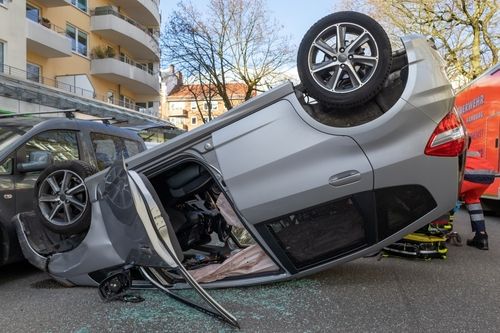
What if Workers’ Comp Is Involved?

If the crash happened while you were driving for work—delivering packages, heading to a job site, or even running an errand for your boss—you might be covered by workers’ compensation. This is a no-fault system, which means you don’t have to prove your employer did anything wrong. But it also means you don’t get pain and suffering damages.

If you pursue a product liability claim against the airbag manufacturer, workers’ comp will expect to be reimbursed for what they paid out. This is called a subrogation lien. Florida law allows your employer’s insurer to claim back part of your settlement or verdict, but not all of it. We make sure that amount is negotiated properly, so you aren’t left with less than what’s fair.

Will My Health Insurance Be Reimbursed Too?

Yes, most likely. Health insurance works under the same principle. If your plan covered your ER visit, surgery, or rehab, it has the right to seek repayment once you recover compensation from a third party, like the airbag manufacturer. This also applies to Medicaid and Medicare, which have their own rules and strict timelines.

You won’t have to handle that paperwork yourself. We identify all liens early and work to reduce them as much as possible. These negotiations affect how much money you keep after your case resolves.

What About the At-Fault Driver’s Insurance?

Even though your injuries came from the airbag, the crash still matters. You may have a separate claim against the other driver for causing the accident. That claim would cover things like property damage and additional medical costs.

But here’s the catch: the at-fault driver’s policy won’t cover the injuries caused by a defective airbag. That’s why these cases usually involve two separate claims—one for the crash, one for the product defect.

Each claim has different legal standards, insurance carriers, and negotiation strategies. Our job is to keep them straight, time them correctly, and coordinate everything so nothing gets missed. The goal is to make sure one claim doesn’t undercut the other, which can directly affect the outcome of your car accident settlement.

Frequently Asked Questions About Airbag Injuries

Can I still have a claim if the airbag saved my life?

Yes. An airbag performs its primary function of preventing a fatal impact while still being defective and causing a separate, severe injury. For example, it might prevent your head from hitting the steering wheel but shatter and send shrapnel into your chest. You may pursue compensation for the injuries the defect caused.

What if my car was part of a recall but I never got it fixed?

This complicates a case, but it doesn’t necessarily prevent you from having one. The manufacturer may argue you share some responsibility. However, the core of the case is that they produced a dangerous product in the first place. This is a situation where speaking with a lawyer is particularly important.

How much does it cost to hire Boohoff Law for an airbag injury case?

We handle these cases on a contingency fee basis. This means you pay no upfront fees. We only get paid if we successfully recover compensation for you.

My accident was in Tampa. Does that matter for my case?

Yes. Having a local attorney is beneficial. We are familiar with the court systems in Hillsborough County and the surrounding Tampa Bay area. Furthermore, the high heat and humidity in Florida are known factors in the degradation of certain airbag inflators, which is a key point in your case.

The insurance company for the at-fault driver already offered me a settlement. Should I take it?

You should not accept any settlement offer without first speaking to an attorney, especially in a potential product liability case. The at-fault driver’s insurance will only cover damages related to the crash itself, not the separate harm caused by a defective product from a manufacturer.

Let Us Uncover the Truth Behind Your Injury

Boohoff Law, P.A. - Auto Accident LawyersYou are focused on recovery; let us focus on accountability. We regularly help families in Tampa and the surrounding communities hold manufacturers responsible. 

If you’re ready to learn more, we’re here to listen. Call Boohoff Law, P.A. today at (813) 445-8161.

Get A Free Consultation

Silver car flipped upside down on a city street after a rollover crash with shattered glass and emergency crew nearby.

How Much Is a Rollover Car Accident Claim Worth in Florida?

You might Google “average rollover accident settlement” and see numbers all over the map: $100,000, $500,000, or more. But these averages don’t tell you much about your case. 

Why? Because payouts vary wildly based on your injuries, lost income, long-term impact, and the insurance policies in play. One crazy high payout will skew the average up, giving you a misleading figure that doesn’t reflect the facts of your case. Most online figures ignore the real drivers: the seriousness of your injuries, how much coverage is available, and how thoroughly your losses are documented, which is why speaking with a Tampa car accident lawyer can give you a clearer picture of what your claim may be worth.

If you want to know what your rollover claim could actually be worth, talk to someone who will look at the facts, not just the averages. Call us at (813) 445-8161.

Get A Free Consultation

Key Takeaways for Rollover Accident Claim Values in Florida

  • Averages are misleading—your injuries and coverage determine value. Online estimates don’t account for your specific injuries, lost income, or available insurance. Two people in similar crashes can end up with vastly different payouts.
  • Serious injuries and permanent impact drive higher settlements. The more severe and long-lasting your injuries, the more your claim is worth. Spinal injuries, brain trauma, and long recoveries increase both economic and non-economic damages.
  • Multiple factors influence value: insurance limits, fault, and documentation matter. The strength of your medical records, fault evidence, and insurance coverage available are just as important as the injury itself. Credibility and jurisdiction also affect the outcome.

The Two Core Components of Your Claim’s Value

Your compensation is built from two foundational blocks: economic damages and non-economic damages, and you need a car accident lawyer to make sure both are fully evaluated and pursued.

What Are Economic Damages? The Tangible, Billable Losses.

Silver car flipped upside down on a city street after a rollover crash with shattered glass and emergency crew nearby.

Think of these as anything you have a receipt for. They are the most straightforward part of your claim to calculate.

  • Medical Expenses (Past and Future): This includes everything from the initial ambulance ride and emergency room visit to ongoing physical therapy, surgeries, medications, and any anticipated future medical needs. We work with medical and life-care planning professionals to project these costs accurately.
  • Lost Wages: This is the income you’ve already lost from being unable to work.
  • Loss of Future Earning Capacity: If your injuries prevent you from returning to your previous job or limit your ability to earn a living in the future, this calculates the income you will lose over your lifetime.
  • Property Damage: The cost to repair or replace your vehicle and any other personal property damaged in the crash.
  • Out-of-Pocket Expenses: This covers smaller costs like transportation to doctor’s appointments, home modifications (like a wheelchair ramp), and childcare costs you incurred because of your injuries.

What Are Non-Economic Damages? The Human Cost of the Crash.

These damages compensate you for the intangible ways the accident has rewritten your life. Because there is no bill or invoice for this kind of suffering, it is the most contentious part of a claim.

  • Pain and Suffering: This accounts for the physical pain and emotional distress you have endured.
  • Mental Anguish: This includes anxiety, depression, post-traumatic stress disorder (PTSD), or a new fear of driving.
  • Loss of Enjoyment of Life: This addresses your inability to participate in hobbies, activities, or life events that once brought you joy.
  • Permanent Scarring or Disfigurement: Compensation for the physical reminders of the accident.

9 Key Factors That Drive the Value of a Rollover Claim

Two people in similar rollover accidents may end up with vastly different settlement amounts.

This uncertainty is frustrating. You might worry that a single detail could unfairly reduce what you are owed. The insurance company’s investigation will look for any evidence to argue for a lower payout.

Our role at Boohoff Law, P.A. is to identify and document every factor that strengthens your claim’s value, ensuring the final figure reflects the full scope of your losses. Here is what we analyze:

How Severe Are Your Injuries?

The nature and severity of your injuries are the primary drivers of value. A claim involving a traumatic brain injury or spinal cord damage will be valued much higher than one with broken bones, because the long-term medical needs and impact on your life are far greater.

What Do Your Medical Records Show?

Clear, consistent, and thorough medical documentation is the evidence that proves the extent of your injuries. Gaps in treatment or downplaying your pain to a doctor may be used by an insurer to argue your injuries aren’t as serious as you claim, which can make a big difference after a car accident injury.

Will You Make a Full Recovery?

A permanent disability or impairment significantly increases a claim’s value. The difference between a temporary and a permanent inability to work translates to hundreds of thousands of dollars in a settlement.

How Strong is the Evidence of Fault?

Clear evidence—like a police report, witness statements, or traffic camera footage—that shows the other driver was negligent strengthens your position.

Does Florida’s Comparative Negligence Rule Apply?

Florida follows a modified comparative negligence rule. This means your compensation may be reduced by your percentage of fault. For example, if you are found to be 10% at fault, your final award is reduced by 10%. If you are found to be 51% or more at fault, you cannot recover any damages. Our job is to ensure no amount of blame is unjustly placed on you.

What Are the At-Fault Driver’s Insurance Policy Limits?

You may only recover up to the limits of the available insurance policies. We investigate all potential sources of coverage, including the at-fault driver’s policy, umbrella policies, and your own Uninsured/Underinsured Motorist (UIM) coverage.

Was There a Vehicle Defect?

Rollovers sometimes happen because of a vehicle design flaw, like a weak roof structure or a faulty electronic stability control system. If this is the case, a product liability claim may be filed against the vehicle manufacturer, opening up another avenue for compensation, and the type of compensation can you claim will depend on your injuries, losses, and the circumstances of the crash.

Where Did the Accident Happen?

The jurisdiction where the claim is filed matters. Some counties in Florida have a history of juries awarding higher damages than others.

How Credible Are You?

Your credibility as a witness is important. Being perceived as honest and consistent in your telling of events has a positive impact on your claim.

Get A Free Consultation

Why Are Rollover Accidents So Different?

Close up of a wooden gavel with two toy cars beside it representing a car accident lawsuit.The physics involved in a rollover create a uniquely dangerous and destructive event.

In one recent year, rollovers were involved in 20% of all passenger vehicle occupant deaths, a disproportionately high number that speaks to their severity. The risk of catastrophic injury or death is substantially higher than in other types of collisions.

Because of this heightened risk, the investigation into a rollover claim goes deeper, and the potential value is higher. Here’s why:

The Sheer Violence of the Crash

The multiple impacts in a rollover (as the vehicle tumbles) mean your body is subjected to violent forces from many directions. The severity of injuries increases sharply with each roof-to-ground impact. This leads to severe injuries affecting multiple parts of the body.

The High Likelihood of Ejection

Being thrown from the vehicle is a common and frequently fatal event in rollovers. Even when restrained, the forces are enough to cause severe head, neck, and spinal trauma.

The Question of Vehicle Performance

Many modern vehicles, especially SUVs and trucks, are marketed for their safety features. A rollover crash puts those features to the ultimate test. We investigate whether the vehicle’s roof strength, airbags, and seatbelts performed as they should have. A failure in any of these systems could point to a product liability issue, which is often central in car accident cases.

How Do You Put a Number on Pain and Suffering?

This is one of the most common questions we hear. While it feels impossible to assign a dollar amount to human suffering, the legal system has methods for doing so.

The most common approach is the “multiplier method.”

How the Multiplier Method Works

First, we calculate the total of your economic damages (medical bills, lost wages).

Then, that total is multiplied by a number, typically between 1.5 and 5.

The multiplier is chosen based on the severity of your injuries, the length of your recovery, and the long-term impact on your life.

Example: If you have $50,000 in economic damages and your injuries were moderately severe with a long recovery, a multiplier of 3 might be used. This would result in $150,000 for non-economic damages, for a total claim value of $200,000.

What Factors Influence the Multiplier?

  • Severe, painful injuries that result in permanent limitations will command a higher multiplier (4 or 5).
  • A shorter recovery with no lasting effects will result in a lower multiplier (1.5 or 2).
  • Disruptive, life-altering changes—like being unable to care for your children or return to a beloved career—justify a higher multiplier.

An insurance company will almost always argue for a lower multiplier. Our work involves telling the story of your life after the accident, using evidence from your doctors, family, and friends to justify the highest multiplier possible, especially when an insurance company offers a settlement that undervalues your losses.

Frequently Asked Questions About Rollover Accident Claims

How long do I have to file a rollover accident claim in Florida?

In Florida, the statute of limitations for a personal injury claim based on negligence was recently changed. For accidents occurring on or after March 24, 2023, you have two years from the date of the crash to file a lawsuit. You must act well before this deadline.

What if the other driver had no insurance or not enough?

This is where your own Uninsured/Underinsured Motorist (UIM) coverage becomes important. We help you file a claim with your own insurance company under this part of your policy.

Will I have to go to court?

Most personal injury cases are settled out of court through negotiations. However, we prepare every case as if it will go to trial. This shows the insurance company we are serious, which leads to a better settlement offer.

How much does it cost to hire Boohoff Law?

We handle personal injury cases on a contingency fee basis. This means you pay us nothing upfront. Our fee is a percentage of the settlement or verdict we obtain for you. If we don’t secure compensation for you, you owe us nothing.

The insurance adjuster seems friendly. Should I just talk to them?

It is best not to give a recorded statement to the other party’s insurance company without speaking to a lawyer first. Their business model requires them to balance paying claims with making a profit, and their adjusters are trained to ask questions that may be used to limit the value of your claim.

Your Next Step Is a Simple Conversation

Boohoff Law, P.A. - Auto Accident LawyersYou are dealing with enough right now. You don’t have to figure out the legal process alone. The team at Boohoff Law, P.A. regularly helps families across Florida who are facing the challenges that come after a serious crash.

The sooner we begin preserving evidence, speaking with witnesses, and handling communication with the insurance companies, the stronger your case will be.

You don’t need to have all the paperwork or know all the answers. One phone call is all it takes to get started.

Let us provide the clarity and guidance you need. Call Boohoff Law, P.A. today for a free, no-obligation consultation at (813) 445-8161.


Get A Free Consultation

Silver car flipped upside down on a city street after a rollover crash with shattered glass and emergency crew nearby.

What Should I Do If I Suspect My Car Malfunctioned Before a Crash?

Car crashes happen fast. But sometimes, in the moments just before impact, you may feel something wasn’t right—maybe the brakes didn’t respond, the steering locked up, or the engine suddenly cut off. When a mechanical or electronic failure is suspected, the question becomes more than just who caused the accident. You now have to ask: did your vehicle fail you?

In both Florida and Washington, proving that a car malfunction contributed to a crash can drastically change how liability is assigned. It may involve product liability laws, manufacturer recalls, or even negligence by a repair shop. These cases often require a deep investigation, sometimes involving engineers or auto industry experts.

If you believe your vehicle malfunctioned, knowing what to do next can help preserve evidence, protect your rights, and strengthen your personal injury claim. Whether you’re in Tampa, Seattle, or another city Boohoff Law serves, you don’t have to figure this out alone.

This guide will walk you through the steps to take, how these cases work, and what legal support can do for you. Let’s begin with the first thing you should do after the crash.

Check for Immediate Safety Concerns and Call 911

If your car suddenly malfunctions and causes or contributes to a crash, your first priority should be safety. After any collision—especially one involving a suspected mechanical failure—get to a safe location if possible and call 911. Let the dispatcher know there may have been a vehicle malfunction so the police can make note of it in their report. This early documentation can prove important later if you pursue a claim.

While waiting for emergency responders, try to stay calm and avoid altering the vehicle unless it’s necessary to prevent further danger. If you’re physically able, take photos of the crash scene, focusing on any relevant car parts like your tires, brakes, dashboard warnings, or undercarriage leaks. If you noticed anything wrong before the crash—like strange sounds, delayed braking, or a loss of steering control—write those observations down while they’re fresh in your memory.Injured driver in pain after airbag deployment in a car crash

In Florida and Washington, both police and insurance companies will look at the evidence collected at the scene when determining fault and liability. By calling 911 and reporting a suspected malfunction early, you give your claim a stronger foundation and help protect your legal options moving forward.

Get a Full Medical Evaluation After the Crash

Even if your injuries seem minor at first, you should always get checked out by a medical professional after a crash. Symptoms from whiplash, head trauma, or soft tissue injuries may not appear immediately, and delays in diagnosis can hurt both your health and your legal case.

Let your doctor know exactly what happened. If your vehicle malfunctioned and contributed to the crash, describe any jerking motions, loss of control, or impact points you experienced. This can help them identify injuries related to those events and document the correct cause in your medical records.

In Seattle, Tampa, and other areas served by Boohoff Law, your ability to pursue compensation for a malfunction-related crash may depend on this documentation. Insurance adjusters often look for ways to downplay claims, and a gap in medical care gives them a reason to argue that your injuries weren’t serious—or weren’t caused by the crash at all.

Early medical treatment also links your injuries directly to the accident, which is key in proving damages. Whether or not you think a mechanical failure was involved, prioritize your health first. Then, once you’re stabilized, you can begin investigating the legal steps to take next.

Preserve the Vehicle in Its Post-Crash Condition

One of the most critical steps after a suspected malfunction-related crash is preserving the vehicle in its current state. Resist the urge to repair, clean, or dispose of the vehicle until it has been professionally inspected. This includes not having it towed to a salvage yard without taking key precautions.

Mechanical failure cases often hinge on expert testimony and forensic evidence. Investigators may examine your car’s brake systems, airbags, tires, steering, electronic modules, or engine components. If you alter the vehicle too soon, vital evidence could be lost—evidence that might prove the malfunction and support your injury claim.

If your car is towed, arrange for it to be stored in a secure location where it can be accessed by a qualified mechanic or legal investigator. In some cases, your attorney can help coordinate this. Make sure to also gather any receipts from prior maintenance or repairs, especially if work was recently performed on the part that failed.

In Florida and Washington, preserving evidence is essential in product liability or negligence claims involving auto defects. Keeping your car untouched gives investigators the chance to properly assess whether a manufacturer, dealer, or mechanic may share responsibility for your crash.

Contact an Experienced Personal Injury Lawyer Early

If you believe a car defect or malfunction contributed to your crash, it’s critical to speak with a personal injury lawyer as soon as possible. 

These cases often involve complex questions of liability, especially if you’re dealing with large manufacturers, parts suppliers, or auto repair shops. An attorney can begin preserving evidence, securing expert inspections, and notifying relevant parties on your behalf.

Unlike a simple fender-bender, a malfunction-related crash could trigger product liability laws in Washington or Florida, depending on where the incident occurred. That means your claim may require engineering analysis or consultation with mechanics to prove fault. Attorneys familiar with these cases understand what to look for—and how to build a solid claim.

Additionally, lawyers can help you manage communication with insurance companies. It’s not uncommon for insurers to downplay a malfunction or try to blame the driver. Having legal guidance protects you from making statements that could hurt your case. You don’t have to prove everything on your own.

An attorney can also help determine if you may have a claim against multiple parties—like the dealership, manufacturer, or maintenance company—maximizing your options for compensation while giving you space to focus on recovery.

Understand Potential Liability in Malfunction-Related Accidents

When a mechanical failure plays a role in a car crash, the issue of liability becomes more complicated than in a standard two-car collision. You may not be solely responsible—even if you were driving the car that failed. Depending on the circumstances, several different parties could be held legally liable under Florida or Washington state law.

Here are some examples:

  • Vehicle manufacturers: If the malfunction was caused by a design or production flaw.
  • Parts manufacturers: If a specific component—like brakes or airbags—was defective.
  • Mechanics or repair shops: If they improperly installed or failed to detect a problem.
  • Dealerships: If they sold the vehicle with known issues or skipped proper inspections.

In these cases, your attorney might pursue a product liability claim, a negligence claim, or both. Evidence will be needed to establish the chain of responsibility, including maintenance records, expert reports, and sometimes vehicle recall data.

Liability in malfunction cases isn’t always clear-cut. That’s why you shouldn’t assume you’re at fault just because the malfunction happened in your own car. With the right legal support, you can determine whether someone else’s oversight or defect contributed to the crash—and pursue appropriate action.

File an Insurance Claim but Be Careful What You Say

After a malfunction-related accident, you still need to notify your insurance company—but you should do so carefully. Insurance adjusters are trained to protect the company’s bottom line, not yours. If you tell them too much or frame the issue the wrong way, they might try to shift all the blame to you or deny parts of your claim.

It’s usually best to notify your insurer of the crash factually—date, time, location, and that you suspect a vehicle malfunction may have played a role. Avoid admitting fault or offering theories about what went wrong. Simply let them know you are in the process of investigating the issue.

If you’re contacted by another driver’s insurer or a third party involved in the crash, do not give a recorded statement without consulting an attorney first. What you say could be used against you later, especially if the malfunction is still being verified.Silver car flipped upside down on a city street after a rollover crash with shattered glass and emergency crew nearby.

In Florida and Washington, comparative fault laws may apply, and the other party could try to say you ignored warning signs. A lawyer can help manage communication with all insurance companies to ensure your rights are protected while your case is being built.

Common Injuries and Why Legal Help Matters

When a car malfunctions—whether it’s the brakes, steering, or a defective airbag—the injuries that follow can be serious. Unlike a typical accident caused by human error, crashes tied to mechanical failure often occur without warning and at full force. Drivers and passengers don’t have time to brace or slow down. This can lead to more severe trauma and longer recovery times.

Some of the most common injuries in these types of crashes include:

  • Spinal cord injuries
  • Broken bones or crushed limbs
  • Traumatic brain injuries (TBIs)
  • Severe whiplash
  • Burns or lacerations from engine fires or airbag explosions

If a manufacturer, repair shop, or dealership failed to ensure the vehicle was safe, you might have grounds to hold them accountable. But these are not easy cases to navigate alone. You may need mechanical inspections, expert witnesses, and strong evidence to prove the vehicle was defective.

A personal injury lawyer can help coordinate these efforts while you focus on healing. They’ll know how to investigate the root cause of your injuries and connect them to the malfunction. That connection can make all the difference when seeking fair compensation for medical care, lost wages, and long-term impact.

The Insurance Company Is Not on Your Side

One of the biggest mistakes injured drivers make is assuming the insurance company is there to help. In reality, their job is to reduce payouts—not make sure you’re treated fairly. This is especially true in complicated cases involving vehicle malfunctions or possible product liability. When multiple parties are involved, insurers often try to deflect blame, twist statements, or minimize claims.

If you tell the insurer, “I think my brakes failed,” you might assume they’ll investigate—but they may instead look for a reason to deny your claim. They may say the failure was due to lack of maintenance or driver error. Without legal protection, it’s easy to get cornered or pressured into accepting less than you deserve.

In both Florida and Washington, insurance adjusters know the law and may use your unfamiliarity with it to their advantage. That’s why it’s vital to speak with a lawyer before engaging in back-and-forth with any insurer.

A personal injury lawyer can step in, handle communication, and advocate for your rights. They’ll make sure your vehicle is inspected appropriately and that your words aren’t used against you later on.

Call Boohoff Law for a Free Consultation

If you think a mechanical issue played a role in your car accident, you don’t have to face the aftermath alone. Boohoff Law has the experience to help you understand your options and take the pressure off your shoulders. We assist clients in both Florida and Washington and can help investigate whether a defect, poor maintenance, or faulty repair caused your crash.

Reach out to our team for a free consultation. We’ll listen to your story, offer clear next steps, and help you protect your rights from the very beginning.

Call (813) 445-8161 in Tampa, (813) 321-7878 in Brandon, (941) 888-0848 in North Port, or (877) 999-9999 in Seattle.

Frequently Asked Questions (FAQs)

What if the crash already damaged the evidence of the malfunction?

A vehicle inspection by a qualified expert may still detect signs of what failed. A lawyer can help preserve and assess what remains of the vehicle.

Can I still file a claim if no recall was issued?

Yes. Many defective parts are never recalled, but that doesn’t mean you can’t hold someone accountable. Your lawyer may consult with engineers or expert witnesses.

Do I have a case if the malfunction happened in someone else’s car I was riding in?

Possibly. You may be able to bring a claim against the vehicle owner, a third-party mechanic, or even the manufacturer, depending on the details.

What’s the deadline for filing a claim in these situations?

Time limits vary by state. In Florida, the statute of limitations for injury claims is typically two years. In Washington, it may be three years. It’s always better to act quickly.

Will hiring a lawyer cost anything upfront?

Most personal injury firms, including Boohoff Law, work on a contingency fee basis. This means you don’t pay anything upfront — the lawyer only collects a fee if they win your case.

Recovery is personal.

We recover millions for our clients every month, but we know that every case is different and that recovery is personal.
stars
“Boohoff Law definitely stands behind integrity. Tatiana is not only a fantastic attorney in her expertise, she’s also down-to-earth – truly a people person.”
– Elissa M.
% star rating
“Really pleased with Boohoff Law! Received immediate responses when I had any questions. Treated amazingly by all staff … made this process a true breeze!”
– Caitlyn M.
5 star rating
“Everyone here is so helpful. They jumped through every hoop necessary to get me the settlement I rightfully deserved. They made me feel right at home.”
– Brandy K.

You're better off with Boohoff.